


Instruments for Music article
Violin Music Instrument Price: A Complete Guide
Purchasing a violin music instrument requires understanding how price reflects quality and craftsmanship. Learn to navigate price categories, distinguish genuine quality, and make wise investments from budget beginner violins to serious student instruments.
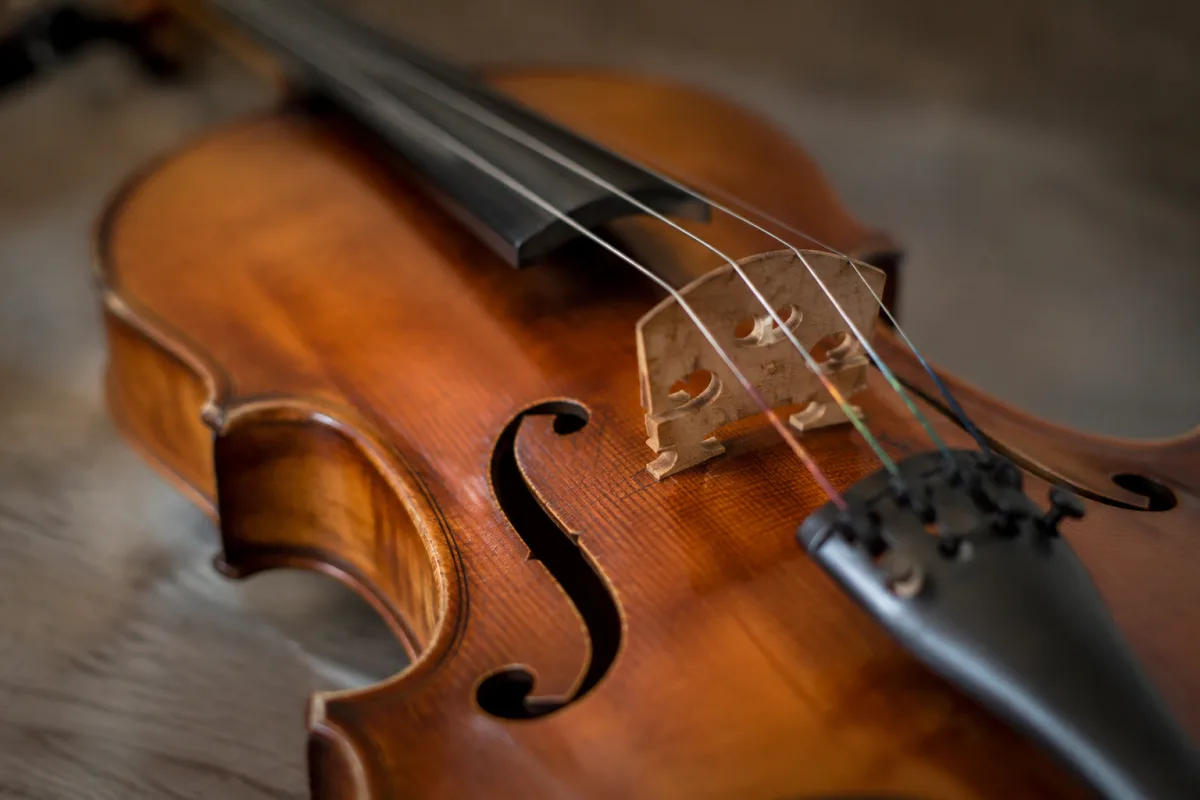
Purchasing a violin music instrument represents a significant decision that requires understanding how pricing reflects quality, materials, and craftsmanship. Whether you're an absolute beginner taking your first steps into strings or a serious student ready to commit to sustained practice, finding a violin that offers genuine value for money transforms your learning experience. Violin prices span an enormous range—from budget student instruments around £60 to priceless masterpieces worth six figures—and understanding what separates a workable beginner violin from a genuinely good instrument helps you invest wisely.
Understanding Violin Price Categories
Violin music instruments broadly divide into several price tiers, each reflecting different manufacturing approaches and quality expectations. Budget student violins, typically £40 to £150, serve beginners and children starting lessons. These mass-produced instruments use standardised patterns and lower-grade materials, but competent manufacturing means they're playable if not inspiring. Intermediate student violins, priced £150 to £500, represent a genuine jump in quality—better wood selection, more careful setup, and superior hardware that supports developing technique.
Semi-professional violins from £500 to £2000 appeal to serious students and pre-conservatoire players whose technique justifies better instruments. Here you find hand-carved tops, better tonal characteristics, and hardware that responds to subtle technique variations. Professional performance violins, £2000 and upward, serve working musicians and conservatoire students. Masterpiece violins by famous historical makers cost £50,000 to over £1 million, representing musical and financial investments beyond most players' reach.
Price alone doesn't guarantee quality—a £300 violin from a reputable maker often outperforms a careless £1000 instrument. The relationship between price and playability improves dramatically up to about £600, then plateaus, with further price increases reflecting rarity, maker reputation, and subtle sonic distinctions.
What Actually Affects Violin Music Instrument Price
Several specific factors drive violin music instrument pricing. Wood quality matters profoundly—spruce tops vary from generic softwood to carefully selected quarter-sawn Alpine spruce with tight, uniform grain. The back and ribs typically use maple, with premium instruments featuring highly figured European maple chosen for both acoustic and visual properties. The wood alone in a quality violin represents significant cost before any labour begins.
Craftsmanship separates truly playable instruments from decorative ones. Hand-carved violins, where a luthier shapes each plate individually, cost substantially more than machine-carved versions. The varnish—whether traditional spirit-based formulas or modern polyurethane—affects both sound and durability. Authentic Italian varnish recipes involve secrets handed down for generations, commanding premium prices when applied by recognised masters.
Setup quality profoundly affects playability. A poorly set-up violin—misaligned bridge, badly-fitted fine tuners, or inadequate soundpost positioning—frustrates learning and limits potential. Professional setup costs £50 to £150, money well spent even on budget instruments. Bridges, tailpieces, chinrests, and strings significantly impact tone and ease of play, and quality hardware on decent violins justifies higher prices.
Distinguishing Quality in Violin Music Instruments
Identifying a good violin music instrument requires hands-on evaluation, not relying solely on price tags. Sound quality matters most—a violin should produce clear, consistent tone across all four strings without dead spots where notes refuse to project. The timbre should feel responsive to subtle bow pressure and speed variations. Projection—the ability to fill a room with sound—distinguishes quality instruments from thin, weak-sounding violins.
Playability involves comfort and responsiveness. Does the fingerboard feel smooth and even? Are the strings at appropriate height for comfortable playing? Can you vary dynamics smoothly from very soft to loud, or does the instrument fight you? Does it respond immediately to bow changes or do you feel resistance? These practical considerations matter far more to developing players than cosmetic appearance or varnish colour.
Visual inspection reveals construction quality. Look for even seams where pieces join without gaps. The wood grain should be straight and uniform on the front plate. The varnish should be even without drips or runs. Inside, peek through the sound holes—the internal blocks should be securely attached and the soundpost should be vertical and snugly fitted. These details predict long-term durability and suggest the maker's care during construction.
Finding Value in Violin Music Instrument Purchases
New mass-produced violins from reputable makers typically offer the best value for money in the £150 to £400 range. Brands like Stentor, Yamaha, and Eastman produce playable, durable instruments that reward students who practice seriously. Factory-made violins benefit from quality control and consistent specifications that hand-made alternatives sometimes lack.
Used and vintage violins present opportunities for thoughtful buyers. A well-maintained older student violin from a decent maker might cost £200 while delivering superior sound to a £400 new budget instrument. However, vintage purchases require knowledge to identify valuable instruments versus overpriced curiosities. Professional evaluation costs £40 to £80 but prevents expensive mistakes on significant purchases.
Student fractional violins—1/2 size and 3/4 size instruments for younger players—command proportionally similar pricing to full-size violins. Don't assume small violins cost significantly less—quality makers charge fairly regardless of size. A proper 1/4 size violin for a young beginner costs £100 to £300, similar proportional investment to adult instruments.
Rental Versus Purchase for Violin Music Instruments
Many beginners benefit from renting initially, postponing purchase until commitment to sustained practice becomes clear. Rental costs £15 to £40 monthly, with purchase option allowing rent paid toward eventual ownership. After six to eighteen months of rent, however, purchasing a decent used or new instrument often makes financial sense. A rental-to-own arrangement spreads cost while preserving flexibility if the student ultimately prefers different pursuits.
Professional musicians typically purchase rather than rent, needing instruments responsive to subtle technique variations. Working players often own multiple violins optimised for different repertoire and performance contexts. The financial commitment reflects the instrument's role as an essential tool producing income rather than optional equipment for leisure learning.
Hidden Costs Beyond the Violin Purchase
A violin music instrument requires additional investment beyond the initial purchase. Quality bows cost £60 to £300, with budget bows coming included in entry-level packages but often requiring replacement as skills develop. Rosin, a necessary bow treatment, costs £3 to £15 depending on type and quality. A decent hardcase costs £40 to £100, essential protection for any valuable instrument.
Strings wear out—budget £3 to £25 per string depending on quality, replacing individual strings roughly annually with regular practice. Professional setup and maintenance costs £50 to £150 annually. Lessons from qualified teachers cost £15 to £50 per hour. These cumulative costs mean violin playing is a genuine investment, which influences selecting the right initial instrument to avoid compound frustration if early choices prove inadequate.
Choosing Your First Violin Music Instrument
Start with honest assessment of your commitment level. Absolute beginners uncertain about sustained practice do well renting or buying budget instruments around £150. Younger players can start smaller—1/8 or 1/4 size instruments—spending £100 to £250. Serious students ready to invest in lessons and practice deserve instruments in the £300 to £600 range offering superior sound and responsiveness.
Test multiple violins if possible before committing. Visit music shops and play different instruments yourself or listen to demonstrations. Ask experienced teachers or players for recommendations specific to your budget. Read reviews from verified owners, not just professional critics. Consider purchasing from reputable retailers offering fair return policies and professional setup included with the purchase.
Conclusion
A violin music instrument worth purchasing offers playability that encourages practice, sound quality that rewards effort, and durability surviving years of regular use. Understanding how price reflects genuine quality distinctions rather than cosmetic factors enables informed investment in an instrument that serves your development as a player. Whether you invest £150 or £1500, choosing thoughtfully based on sound, playability, and construction quality ensures your violin supports musical growth for years to come.




Comments