


Guitar with Headphones article
The Complete Guide to Guitar With Headphones
Playing guitar with headphones enables silent practice, flexible recording, and access to professional-grade amp modelling and effects.
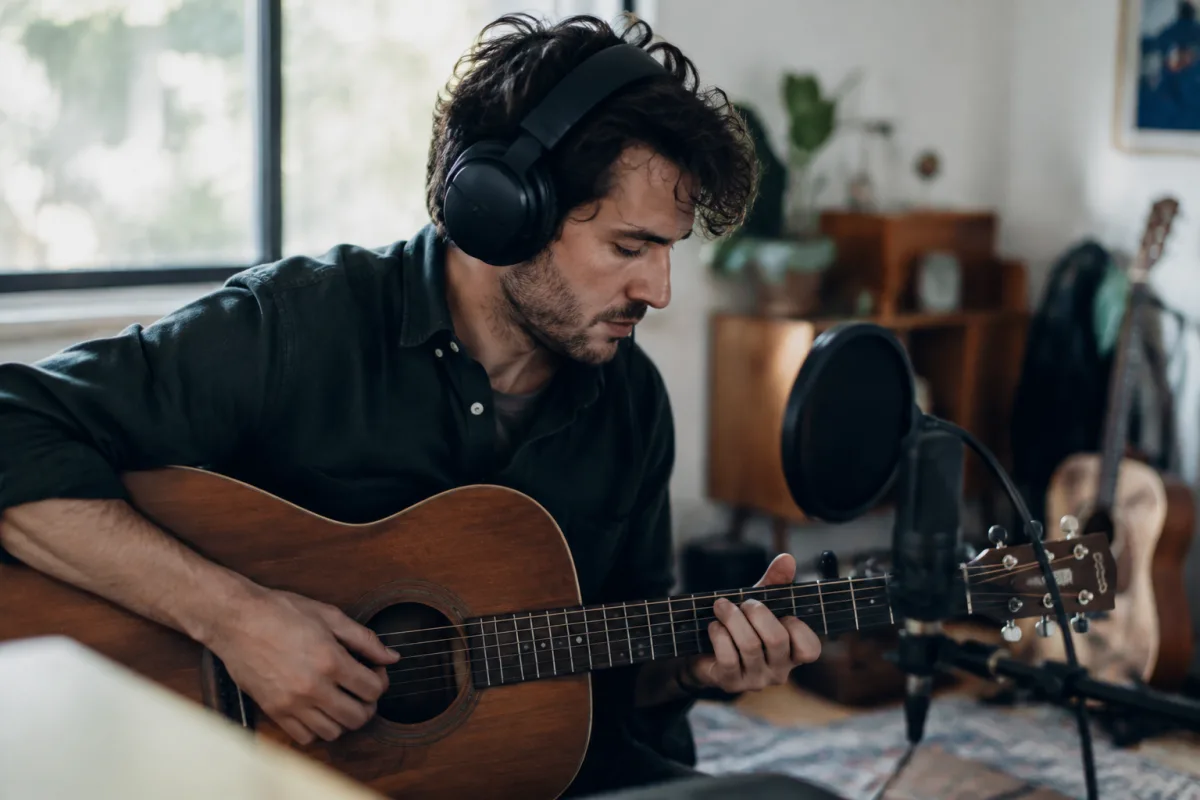
Using headphones whilst playing guitar transforms the experience entirely—liberating you from amplifier constraints, permitting silent practice in noise-sensitive environments, and opening creative recording and performance possibilities. Whether you're a bedroom musician developing your craft, a recording artist layering tracks, or a professional seeking flexible monitoring options, understanding how to employ this method effectively will expand your sonic and practical horizons substantially.
Why Play This Way?
Silent practice is the primary advantage. This method lets you rehearse at midnight without disturbing household members or neighbours. The ability to control mix levels independently—isolating your guitar tone, adjusting backing track volume, or balancing multiple instruments—enables focused musicianship. For recording, using headphones whilst playing provides click track synchronisation, headphone monitoring, and real-time signal routing without acoustic bleed into microphones.
Sonically, this approach grants access to amplifier models, impulse responses, and effects that would require thousands of pounds in physical gear. Many professionals now treat headphone monitoring as essential infrastructure rather than a convenience.
Audio Interfaces and Setup
The signal chain typically runs: guitar → audio interface → headphones. An audio interface converts your guitar's analogue signal to digital, processes it via software, and routes audio back to headphones. Entry-level interfaces (£50–150) suffice for basic practice; mid-range units (£150–400) add lower latency, better preamps, and multiple headphone outputs. Professional-grade interfaces exceed £400.
Low latency matters: if you hear your guitar signal delayed, timing suffers. Modern interfaces achieve latencies under 5 milliseconds, imperceptible to most players. USB interfaces are standard; Thunderbolt models offer even lower latency for more demanding applications.
Headphone Selection
Closed-back headphones are essential because they isolate external noise and prevent bleed into nearby microphones (crucial if you're recording video or podcasting). Over-ear designs distribute weight comfortably during long practice sessions. Budget £30–80 for solid practice models; professional studio versions cost £150–300 and deliver flatter frequency response for critical monitoring.
Look for models with detachable cables for frequent use—replaceable cords reduce repair costs if the cable fails. Avoid headphone models with excessive treble boost (common in consumer products) as exaggerated highs fatigues ears during practice.
Software and Amp Modelling
Desktop amp modelling software ranges from free (LΓ©Ct, Amplitube Free) to professional (Neural DSP, Helix Native). These applications simulate vintage amplifiers and effects chains, letting you recreate classic tones or explore experimental sounds. When playing guitar with headphones through amp modelling, the software does the heavy lifting; your headphones simply render the final result.
Mobile apps extend guitar with headphones possibilities to smartphones and tablets. Apps like Amplitube, Bias FX, and GarageBand provide surprisingly capable tone shaping and effects for casual practice, though desktop software remains superior for serious recording and performance.
Practice and Recording Workflows
A typical workflow involves loading a backing track, recording via audio interface, and monitoring the mix in real time. Click track apps (MetroTimer, BPM Tap) sync timing to pre-recorded material. Looping software (like Mobius or Looper Pro) enables layering multiple takes, building sophisticated arrangements one phrase at a time.
For recording, this method through an interface captures a clean direct signal, ideal for overdubbing or blending with microphone recordings later. Monitoring your own performance in headphones whilst recording is standard professional practice because it avoids acoustic phase interaction that occurs when amplifiers and microphones coexist in the same room.
Maintenance and Cable Management
Headphones demand care. Wind cables loosely rather than coiling tightly to prevent internal fractures. Store headphones in a protective case if travelling. Replace ear cushions annually if used regularly—foam degrades and impacts comfort. When playing guitar with headphones extensively, take breaks to rest your ears and avoid fatigue.
Interface cables should be high-quality, shielded USB or Thunderbolt leads. Cheap cables introduce noise and dropout issues. Avoid stretching or kinking cables; path them carefully across your workspace.
Conclusion
This method has evolved from a quiet-practice workaround into an essential tool for modern guitarists. Whether silent practising late at night, recording multi-tracked compositions, or performance monitoring, the combination of an audio interface, amp modelling software, and quality headphones opens creative avenues that amplifiers alone cannot provide. Invest in reliable equipment, develop your workflow, and discover how using headphones whilst playing expands your musical possibilities indefinitely.


Comments