
Guitar Semi Electric article
The Complete Guide to Guitar Semi Electric
Semi-electric guitars deliver warm, resonant tone with electric guitar playability. Explore what makes them unique, why jazz and blues players love them, and how to choose your first semi-acoustic.
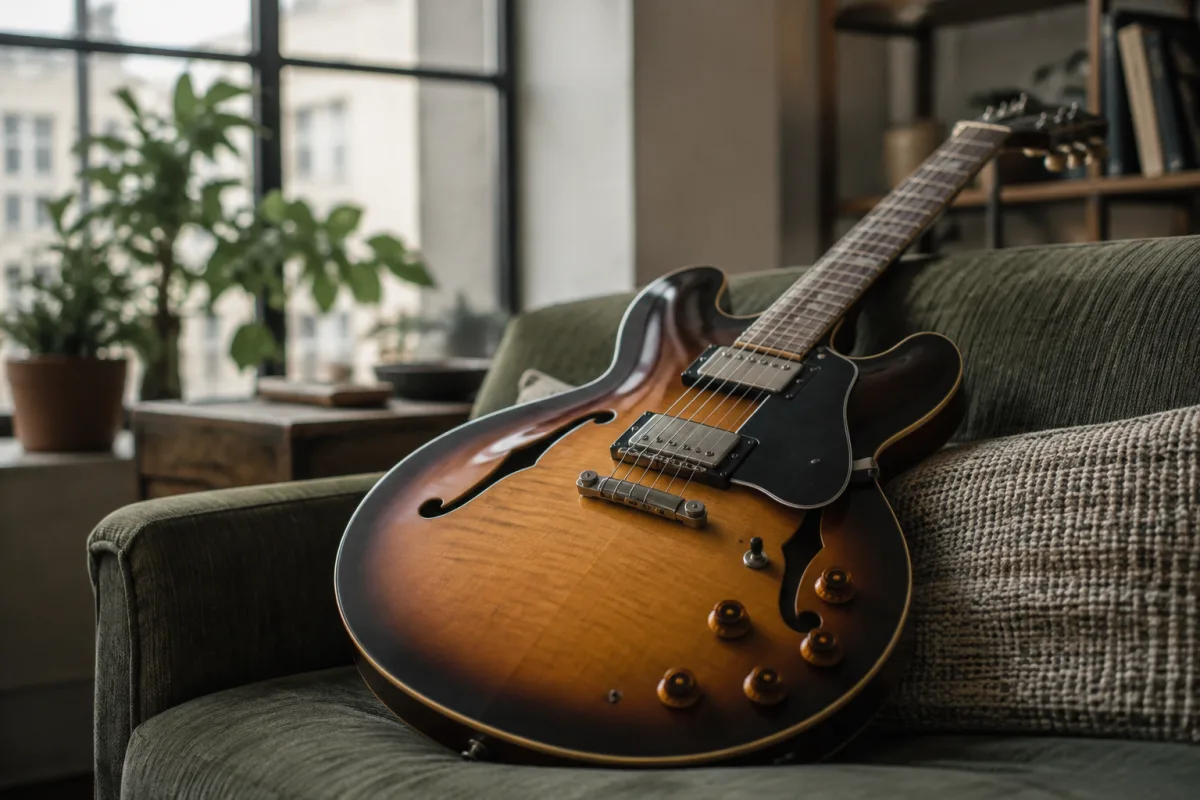
The semi-electric guitar occupies a unique middle ground between acoustics and solid-body electrics, offering the warm resonance of a hollow body with the playability and tone-shaping versatility of an electric. Beloved by jazz musicians, blues legends, and indie rockers alike, semi-acoustic instruments deliver character and sustain impossible to achieve on either of their cousins alone. Understanding what defines this category helps you determine whether a semi-acoustic is right for your playing.
What Is a Semi-Electric Guitar?
A semi-electric guitar, also called a semi-hollow body guitar, features a wooden body with a partially hollow interior chamber. Unlike solid-body electrics with completely solid wood construction, and unlike acoustic guitars with large resonant chambers, semi-acoustic designs split the difference. The hollow centre provides acoustic resonance and natural sustain; the solid outer shell controls feedback and maintains the compact size and playability of an electric guitar.
This construction philosophy produces distinctive tonal characteristics. Played acoustically without amplification, a semi-electric generates more volume than a solid-body electric but less than an acoustic guitar. Through an amplifier, the natural resonance combines with amplified tone to create rich, singing quality that solid-body electrics struggle to match. This makes semi-acoustic guitars particularly valued in genres favouring warm, rounded tones: jazz, blues, and indie rock.
Construction and Design
Semi-electric guitar construction varies by manufacturer, but the basic principle remains consistent. The body features a solid wooden centre block running from the neck joint to near the bridge, dividing left and right air chambers. This centre block serves several purposes: it anchors the bridge and tailpiece, controls feedback by damping the hollow chambers, and provides anchor points for electronics. The hollow chambers resonate like an acoustic guitar but remain partially isolated from vibration at the bridge, preventing excessive feedback during amplified playing.
This design allows semi-acoustic guitars to handle higher amplifier volumes without feeding back uncontrollably. A fully hollow-body acoustic guitar played through a stage amplifier quickly generates feedback; a semi-acoustic handles moderate amplification cleanly. This made semi-acoustics popular for live performance decades before modern feedback suppressors became available.
Tonal Characteristics
The semi-acoustic tone is immediately recognisable. Clean tones emphasise warmth, roundness, and natural sustain. The hollow chambers add resonance and complexity that solid-body guitars cannot achieve, even with reverb and chorus effects. Heard through a good amplifier, a semi-acoustic produces singing, vocal-like quality that sits beautifully in a mix without requiring heavy processing.
Distortion and overdrive on semi-acoustic guitars produce different characteristics than solid-body electrics. The natural resonance of the chambers combines with distortion, creating tones with harmonic density and complexity. Some modern players exploit this, using semi-acoustic guitars for rock and metal applications specifically for these unique harmonic qualities. The semi-acoustic tone cannot be perfectly replicated by solid-body guitars, even with effects processing.
Popular Semi-Electric Guitar Models
The Gibson ES-335, introduced in 1958, remains the most influential semi-acoustic design ever created. Its balanced design and beautiful tone set the standard copied by countless manufacturers. Fender's Coronado, Semisonics' Archtop models, and Epiphone's Casino have established their own followings. Vintage ES-335s command five-figure prices; modern reproductions and alternatives deliver similar characteristics at various price points.
Budget semi-acoustic options from Epiphone, Ibanez, and other manufacturers offer genuine semi-acoustic construction at £500–1,500. Mid-range models from established brands cost £1,500–3,000. Genuine vintage Gibson ES-335s and similar models from the 1950s–60s cost £3,000–15,000+ depending on condition and specific year. Professional touring musicians often own both vintage instruments for recording and modern versions for reliable gigging.
Jazz and Blues Applications
Jazz guitarists embraced semi-acoustic instruments from their inception. The warm, full tone suits the harmonic complexity and nuance of jazz perfectly. Artists like Wes Montgomery, Chuck Berry, and B.B. King built their entire careers partly using semi-acoustic guitars. Contemporary jazz players continue this tradition, with semi-acoustic guitars dominating jazz club performances and jazz fusion. The instrument's natural responsiveness to subtle touch dynamics helps jazz players express the quiet sophistication their music demands.
Blues players similarly favour semi-acoustic guitars for their warm, expressive tone. Slide blues in particular benefits from the semi-acoustic's singing quality and natural sustain. Modern blues rockers often split their time between solid-body electrics for gritty power and semi-acoustic instruments for soulful, introspective passages.
Rock and Alternative Applications
Beyond jazz and blues, semi-acoustic guitars have found audiences in rock and alternative music. The Clash, The Smiths, and countless indie bands employed semi-acoustic guitars for their distinctive character. Modern rock and alternative acts continue this tradition, using semi-acoustic instruments to differentiate their tone from mainstream solid-body sounds. In an era where countless guitarists use identical solid-body electrics and identical amplifiers, a semi-acoustic provides instant tonal differentiation.
Playability and Ergonomics
Semi-acoustic guitars typically feature thinner bodies than acoustic guitars, making them comfortable to hold and play for extended periods. The neck, fingerboard, and frets are identical to solid-body electrics, so players familiar with electric guitar transition easily to semi-acoustic without adjustment. Some semi-acoustic designs feature cutaways allowing access to higher frets; others omit this for maximum tonal resonance.
Action (string height) and playability match solid-body electrics rather than acoustics. The steel string tension and string spacing suit players accustomed to electric guitars. A well-set-up semi-acoustic plays as easily as any electric guitar, eliminating the transition challenge some players experience switching between acoustic and electric.
Feedback and Amplification Challenges
The hollow chambers make semi-acoustic guitars more prone to feedback than solid-body designs when played at high volumes through powerful amplifiers. A feedback frequency might emerge at specific volumes or pitch ranges. Modern equipment and techniques manage this effectively: strategic microphone placement, feedback suppressors, or simply staying below the feedback threshold. Touring professionals developing feedback management techniques achieve reliable results night after night.
Some players embrace semi-acoustic feedback as a creative tool, using controlled feedback for textural effects. This intentional feedback differs from unwanted feedback; skilled players coax musical feedback from their instrument as a genuine performance technique.
The Bottom Line
A semi-electric guitar suits players seeking warm, resonant tone with electric guitar playability and versatility. Jazz and blues players will feel at home immediately; rock and alternative players discover unique sonic character unavailable on solid-body instruments. If your inspiration includes artists who favour semi-acoustic guitars, investing in one is likely worthwhile. If you play exclusively high-gain rock or metal, a solid-body electric will serve you better. For most players, a semi-acoustic offers genuine musical rewards that justify its place alongside solid-body and acoustic guitars in your arsenal.


Comments