


Guitar Punk Guitars Buying guide
Guitar Punk Guitars: A Complete Buyer's Guide
Buying the right punk guitar means prioritising brightness, durability, and authenticity over brand prestige. This guide covers specs that matter and budget-friendly options.
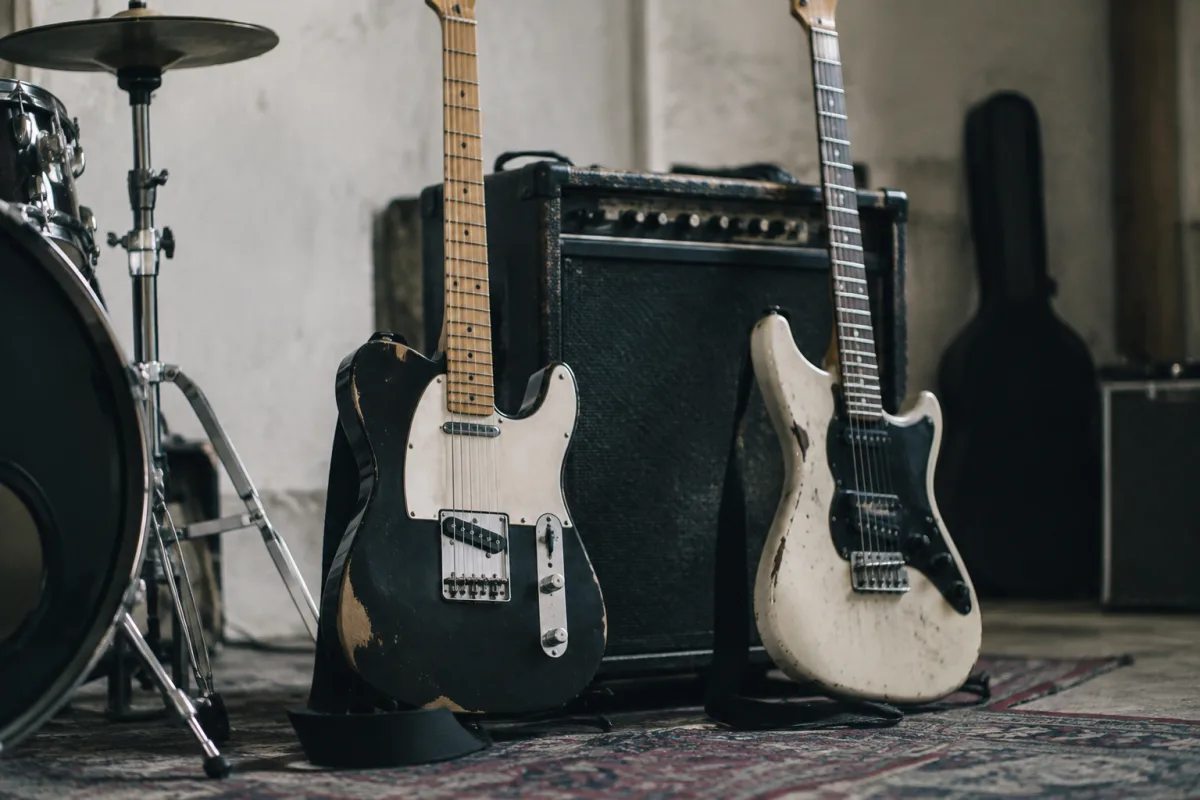
Buying the right punk guitar means understanding what defines the aesthetic and sound, then finding an instrument that delivers authenticity without unnecessary expense. This guide focuses on practical criteria: what specs matter for punk playing, which brands offer genuine value, common pitfalls, and how to spot quality in budget instruments. Whether you're building your first punk setup or upgrading, you'll learn what to prioritise when choosing guitar punk guitars.
Defining Punk Guitar Character
Guitar punk guitars share sonic and aesthetic signatures distinct from other genres. Punk demands brightness, bite, and cut—tones that slice through distortion without disappearing into mush. Guitar punk guitars typically have thinner bodies (semi-hollow or solid single-cutaway designs), brighter pickups, and simpler electronics than jazz or blues instruments. Aesthetically, guitar punk guitars embrace simplicity: single-colour finishes, minimal ornamentation, and honest hardware. The philosophy is function over fashion, though punk aesthetics are their own fashion. When buying guitar punk guitars, you're investing in an attitude as much as a sound.
Budget-Friendly Entry Points
Quality guitar punk guitars don't require premium pricing. Squier Stratocasters and Epiphone Les Pauls are punk staples costing GBP 150–300; they deliver authentic tone and reliable construction. Squire Telecasters are particularly popular in punk circles for their bright, cutting sound. Look for these models on the secondhand market, where you'll often find used guitar punk guitars at 50–70% of original retail price. A used guitar punk guitar in good condition costs less than a new budget model while often offering better construction quality.
Essential Features for Punk Sound
When evaluating guitar punk guitars, prioritise three features. First, pickup brightness: ask to play the guitar unplugged and through an amp; guitar punk guitars should cut through clearly, not sound dark or muffled. Second, fret quality: run your finger gently along them checking for level action and no buzzing. Third, electronics responsiveness: toggle the pickup selector several times, listening for any crackling; clean contacts are essential. These three factors matter far more than brand name when choosing guitar punk guitars.
Price Tiers for Guitar Punk Guitars
Budget guitar punk guitars (GBP 100–250) offer solid construction and adequate tone; suitable for beginners and garage bands. Mid-range options (GBP 250–500) add improved pickups, better tuning stability, and more refined electronics; most working punk bands choose from this tier. Premium guitar punk guitars (GBP 500+) offer boutique construction or limited runs; valuable for established players seeking collectible instruments. For most buyers, the budget to mid-range jump represents the best value improvement. The jump from mid to premium offers diminishing returns unless you're chasing specific tone or collectibility.
Iconic Guitar Punk Guitar Models
Certain guitar punk guitars have defined the genre. Fender Stratocasters, particularly budget Squiers, are workhorses of punk simplicity. Gibson SG models appeal to harder punk and metal variants. Fender Jaguars and Jazzmasters offer alternative appeal. Epiphone Les Pauls deliver rock tone affordably. When shopping, ask yourself which iconic guitar punk guitar aligns with your band's aesthetic. That aesthetic matters to punk identity; playing a guitar that feels authentic to your image builds confidence and performance presence.
Build Quality and Durability for Live Play
Punk guitars see heavy use—amplified volume, aggressive playing, frequent gigs. When examining guitar punk guitars, check for solid construction: no hairline cracks in the finish, no loose joints, and smooth hardware movement. The nut should sit snugly without gaps. Tuning pegs should hold tuning reliably through a gig. The bridge should be stable and adjustable. These pragmatic checks matter far more for punk than boutique specifications; a sturdy GBP 200 guitar punk guitar survives touring better than a delicate GBP 800 instrument.
Secondhand Guitar Punk Guitar Market
The used market offers excellent guitar punk guitar opportunities. Punk culture embraces "broken-in" instruments; a dented, gigged-out guitar punk guitar has character and proven reliability. Check the fretboard for deep wear (which suggests the instrument is stable and playable), inspect electronics carefully, and listen for any hidden buzz or issues. Prices often reflect cosmetic flaws rather than functional problems; a road-worn guitar punk guitar at GBP 100 might be superior to a pristine budget model.
Amplifier and Setup Considerations
Your choice of guitar punk guitar should consider your amp. A bright guitar punk guitar through a dark, bass-heavy amp loses its sonic character; conversely, a dark guitar through a bright, aggressive amp fights for its voice. Budget GBP 50–150 for a modest amp if you're starting out; prioritise volume and tone shaping over effects. For guitar punk guitars, a simple amp with good overdrive capability suits the genre's aesthetic better than a complex multi-effects system. Simplicity and reliability win in punk.
Customisation and Personality
Punk celebrates customisation and individual expression. Many players buy budget guitar punk guitars specifically to modify them: swapping pickups, changing hardware, or customising finishes. If DIY appeals to you, choose guitar punk guitars with standard components and active communities sharing modification tips. Squire Stratocasters and Epiphone Les Pauls, for instance, have thriving aftermarket support. Modifications let you express identity while building technical skills.
Making Your Purchase Decision
List your requirements: tonal character, price ceiling, body style, and whether you want new or used. Play as many guitar punk guitars as you can before deciding. Trust your ears and hands more than reviews or recommendations. A guitar punk guitar you love playing inspires daily practice and enthusiasm that fancy specs can't provide. Once chosen, commit to learning it thoroughly rather than constantly upgrading. Most punk legends built their sound on affordable, well-played instruments—not expensive gear.


Comments