


Electric Organs Buying guide
Electric Organs: A Complete Buyer's Guide
Electric organs offer distinctive sound in jazz, funk, and soul applications, but purchasing requires understanding differences between classic tonewheel and modern digital instruments.
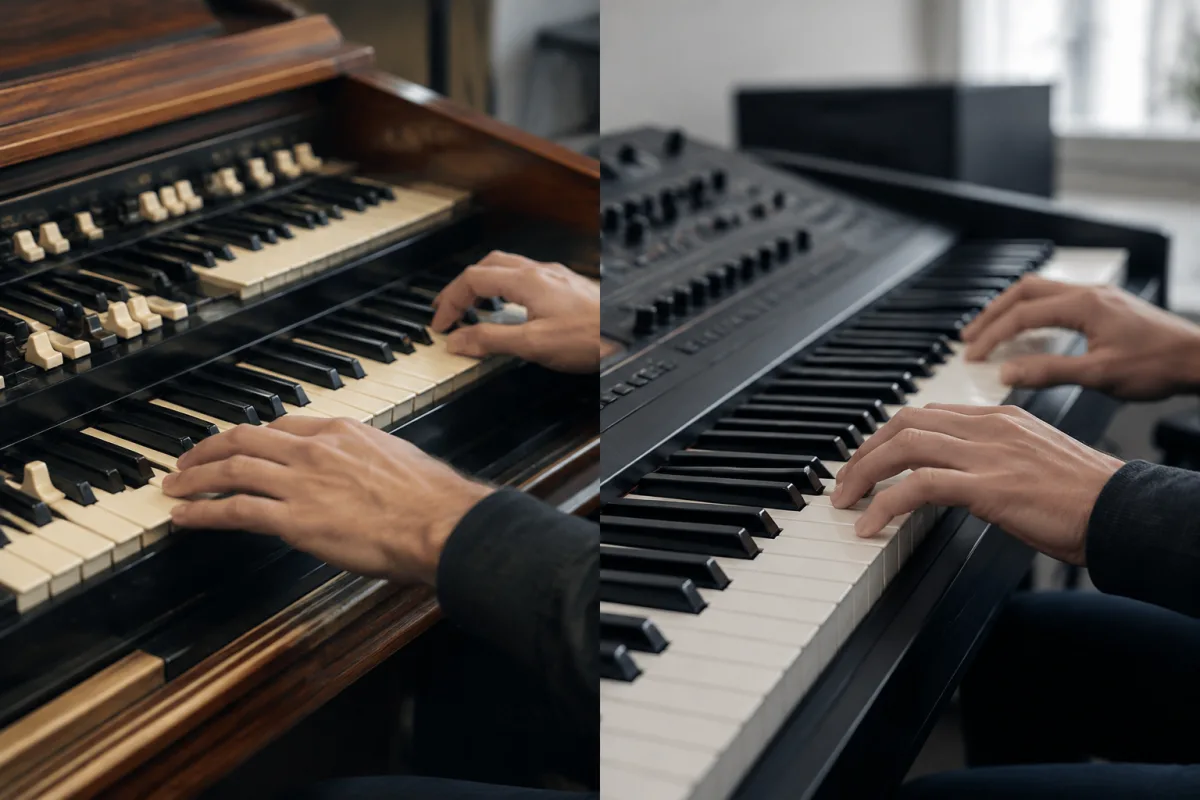
Electric organs occupy a unique niche in music—they're simultaneously instruments for dedicated enthusiasts and casual weekend players, with sound ranging from classic 1970s soul-funk grooves to contemporary worship and jazz applications. But purchasing an electric organ requires understanding the fundamental differences between tonewheel designs (classic, mechanically complex instruments) and digital alternatives (modern, more affordable), recognising which features genuinely affect playability and tone, and avoiding the substantial investment mistakes that come from insufficient research. This guide helps you evaluate electric organs intelligently, identify models matching your actual needs and skill level, and invest in an instrument you'll genuinely play for years.
The Two Organ Categories: Tonewheel vs. Digital
Tonewheel electric organs (exemplified by the Hammond B3) use spinning, rotating tone wheels—electromechanical discs generating sound through magnetic pickups. Each key activates a specific tone wheel, and rotating speed determines pitch. This mechanical complexity produces distinctive, organic tone that digital alternatives attempt to emulate but cannot perfectly replicate. Tonewheel organs are loud, energetic instruments ideal for rock, funk, and soul applications. However, they're expensive (used vintage models typically £3000–£10,000+), require specialist maintenance, generate significant heat and noise, and are large pieces of furniture demanding dedicated space. Digital organs use sound engines synthesising organ tones through electronic circuitry or sample playback. Modern digital organs convincingly emulate tonewheel character whilst offering affordability (£500–£5000), compact size, and minimal maintenance. For most beginners and many intermediate players, digital organs are the practical choice; tonewheel instruments suit dedicated enthusiasts committing to vintage tone and accepting mechanical complexity as part of the appeal.
Understanding Drawbars and Voice Selection
Classic electric organs (both tonewheel and high-end digital) feature drawbars—sliding controls that modify tone by adjusting harmonic content. Nine drawbars (on most models) control different frequency ranges: the fundamental pitch plus harmonics above it. Understanding drawbars is crucial for tone-shaping on classic organs; beginners unfamiliar with this interface often feel overwhelmed. Digital organs typically include preset drawbar positions for common tone combinations, simplifying operation. Entry-level digital organs sometimes replace drawbars with buttons or menus, reducing hands-on control but improving accessibility. If drawbar flexibility matters to you (improves tone variety and performance expressiveness), prioritise models with physical drawbars over menu-driven alternatives. However, if you're beginning organ playing and values simplicity over tonal variety, preset-focused digital organs reduce learning curve significantly.
Keyboard Types and Physical Feel
Electric organ keyboards differ dramatically from pianos, and this difference affects playability and learn-ability. Most organs use lightweight keyboards optimised for volume speed rather than dynamic expression. Keys respond more quickly than piano keys and require less physical force, enabling rapid articulation for rhythm playing. However, this lightweight feel is unsuitable for pianists transitioning to organ—the keys feel unnaturally light and unreactive. Conversely, some high-end digital organs include weighted keys closer to piano mechanisms, improving comfort for piano-trained players but sacrificing organ responsiveness. Hammond B3-style organs use semi-weighted keyboards representing a compromise. When evaluating organs, physically play the keyboard thoroughly—the feel should inspire confidence, not frustration. If you're a pianist starting organ, prioritise weighted keyboard action; if you're beginning keyboard playing fresh, lightweight, responsive keys feel more natural for organ style.
Specifications and Audio Quality
Specifications matter less for organs than for most instruments because tone character is fundamental. However, certain specifications affect practical use. Speaker power (wattage) determines volume capacity—15W speakers suit bedroom practice, 50W+ supports band rehearsal and small venue performance. Number of tones and presets varies wildly; more isn't automatically better. Classic organs with 100+ tones are overwhelming without dedicated learning; simple organs with 10-15 useful presets support faster progression. Pedal boards (foot keyboards controlling bass notes) are available on some organs but expensive additions. Beginners shouldn't prioritise pedal boards until developing solid hand-playing technique. MIDI connectivity (allowing connection to computers and other instruments) is useful for recording and experimentation, though not essential for performance. Portability matters significantly—many electric organs are furniture-sized pieces, but portable models exist for gigging musicians. Evaluate your actual performance environment and transportation needs before purchasing.
Price Tiers and Quality Expectations
| Price Range | Instrument Type | Features | Best For |
|---|---|---|---|
| £400–£800 | Entry-level digital | Basic presets, simple controls, lightweight action, built-in speakers | Complete beginners, hobbyist players, practice-only use |
| £800–£2000 | Intermediate digital | Multiple tones, physical drawbars, semi-weighted keys, better speakers | Serious hobbyists, band rehearsal, small venue performance |
| £2000–£5000 | Premium digital or entry tonewheel | Advanced tone-shaping, weighted keys, MIDI, touring-grade construction | Professional musicians, recording artists, dedicated enthusiasts |
| £5000+ | Used vintage tonewheel or premium digital | Authentic vintage tone, complex mechanics, collector-grade instruments | Professional touring musicians, collectors, genre specialists (jazz/funk) |
Common Purchasing Mistakes
The most frequent error is romanticising vintage tonewheel organs based on their legendary status without considering practical downsides. A used Hammond B3 produces wonderful tone but requires specialist maintenance, generates excessive heat, is difficult to transport, and demands extensive learning to operate well. Beginners often regret expensive tonewheel purchases after discovering the maintenance demands and steep learning curve. Don't purchase an organ based on musical recordings you admire without evaluating what instrument actually produced that tone—sometimes cheaper, simpler organs are more appropriate for your music style. Avoid assuming "more features means better"—entry-level organs with overwhelming tone menus and complex controls intimidate new players. Start with simple, accessible instruments that encourage daily practice rather than feature-rich alternatives demanding extensive menu navigation. Finally, don't ignore the space and power requirements—many organs demand dedicated power outlets and substantial furniture space. Ensure you have appropriate setup space before purchasing.
Maintenance and Long-Term Reliability
Digital organs require minimal maintenance—occasional dusting and cable management is sufficient. Tonewheel organs demand specialist maintenance; tone wheels gradually wear out, drawbars need cleaning, and internal components require periodic servicing. A well-maintained vintage tonewheel organ can last decades; neglected ones develop electrical issues and mechanical wear that becomes expensive to repair. Digital organs' solid-state electronics rarely fail catastrophically but can experience component issues requiring professional repair. Solid reliability is one of digital organs' significant advantages over vintage alternatives. If you want an instrument that demands minimal thought and maintenance, digital organs are the obvious choice. If you're enthusiast prepared to learn maintenance and accept ongoing upkeep, tonewheel organs reward dedication with unmatched tone and mechanical satisfaction.
Testing and Evaluation Before Purchase
Always play prospective organs before committing to purchase. Evaluate keyboard feel, tone quality, and overall responsiveness. Ask about specific operational concerns—can you successfully program drawbar combinations? Does the preset system feel intuitive? Test portability if that matters to you; attempt moving the organ to ensure weight and dimensions are manageable. Request references from previous owners if purchasing used; ask specifically about reliability, maintenance requirements, and whether they'd recommend the model to beginners. Watch YouTube demonstrations of specific models you're considering—hearing tone quality through decent speakers helps judge whether the instrument matches your sonic preferences. Finally, consider whether renting or short-term rental-to-purchase agreements are available. Many music shops offer rental programs, allowing you to try instruments before committing to full purchase.
Long-Term Value and Resale Potential
Vintage tonewheel organs like the Hammond B3 hold value remarkably well, often appreciating as supply diminishes and collector interest intensifies. Quality used models resell for 60-80% of their purchase price years later, meaning your true cost of ownership is relatively low. By contrast, digital organs depreciate more substantially; a £2000 digital organ purchased new typically resells for £1000–£1200 two years later. However, digital organs' lower initial cost means the depreciation in absolute pounds is manageable. Vintage organs' high resale value is attractive only if you remain committed to playing; if you abandon organ playing, a £6000 vintage instrument becomes an expensive decoration. Budget-conscious players appreciate digital organs' lower initial cost and minimal resale expectations; collectors and dedicated enthusiasts often view vintage organs as investments appreciating over time.
For comprehensive information about electric organ models, tone characteristics, and detailed comparisons across price tiers and types, explore the complete guide to electric organs. Purchasing an electric organ thoughtfully means investing in an instrument matching your space, budget, and genuine commitment to playing. Whether you select a digital alternative for accessibility or a vintage tonewheel for authentic tone, understanding your decision ensures satisfaction for years of musical enjoyment.


Comments