


Double Reeds Buying guide
Double Reeds: A Complete Buyer's Guide
Purchasing quality double reeds transforms your playing experience. This buying guide covers construction quality, price tiers across oboe, English horn, and bassoon, plus avoiding costly mistakes.
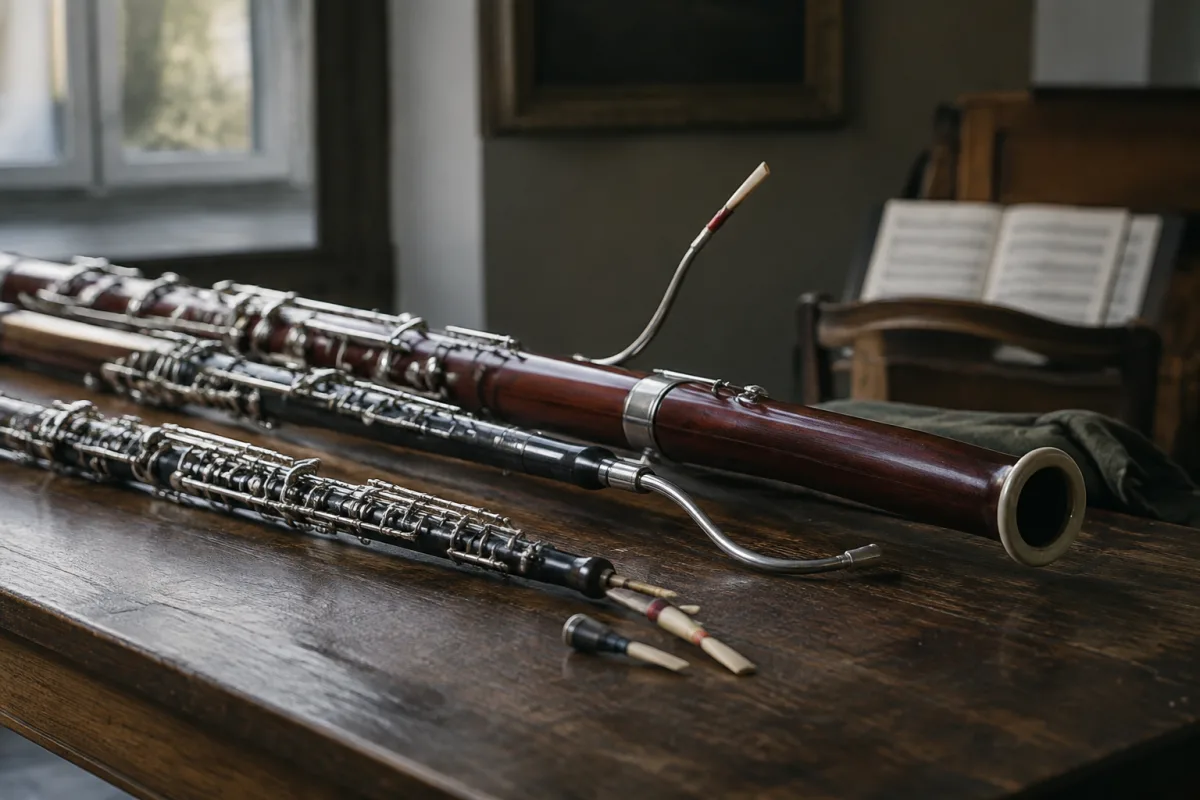
Selecting the right double reeds transforms your playing experience—the difference between a reed that responds eagerly and one that feels sluggish or resistant is profound. Whether you're shopping for oboe, English horn (cor anglais), or bassoon reeds, understanding what distinguishes professional-grade options from budget alternatives can mean the difference between enjoying your practice session and abandoning the instrument in frustration. This buying guide covers what actually matters when selecting double reeds, price considerations, and common pitfalls that waste your money.
Understanding Double Reed Construction
Double reeds consist of two pieces of cane that vibrate against each other to produce sound. This fundamental design means quality varies dramatically based on cane selection, scraping precision, and finishing technique. A well-made reed vibrates freely with minimal effort; a poorly constructed one demands excessive air pressure and produces thin, strained tones.
Professional reeds are hand-scraped by experienced craftspeople who understand how cane density, thickness variation, and overall geometry affect playability. Mass-produced student reeds often come from factories where consistency takes priority over individual optimization. This explains why professional-grade reeds cost three to five times more than budget alternatives—they're genuinely different products.
Oboe Reeds: The Starting Point
Oboe reeds represent the most common double reed purchase. A decent student reed costs £8–£15; professional reeds run £20–£40 per piece. This price difference might seem excessive until you realise a quality reed lasts months with proper care, whilst budget reeds deteriorate after weeks.
When shopping for oboe reeds, assess the cane colour carefully. Lighter, more uniform tan indicates consistent cane quality. Blotchy or unusually dark reeds suggest uneven processing or inferior material. The reed tip should feel responsive when you gently press it—neither rock-hard nor suspiciously soft.
Budget brands like Forestone or Eastman offer surprisingly reliable student-grade reeds if you need affordability. Mid-range options from Marigaux or Vandoren suit advancing players seeking better response. Premium handmade reeds from makers like Léopold Bellison or Rigotti represent investments for professionals demanding absolute tonal control.
English Horn (Cor Anglais) Reeds
English horn reeds are specialty items—fewer musicians play this instrument, so retailers stock them less commonly. Expect to pay £25–£50 for quality reeds, with handmade professional options exceeding £60. The larger size and different bocal design mean these reeds aren't interchangeable with oboe reeds, making availability a practical concern.
When purchasing English horn reeds, verify compatibility with your specific bocal type. Bocals vary slightly between manufacturers, and reed scraping is optimised for particular bocal geometries. Mismatched combinations result in poor response and wasted money. Contact the reed maker if uncertain—a brief email confirming compatibility costs nothing and prevents frustration.
English horn players benefit from developing relationships with individual reed makers rather than buying from generic retailers. A craftsperson who understands your instrument and playing style can scrape reeds specifically optimised for your needs—worth significantly more than generic stock reeds.
Bassoon Reeds: Investment Instruments
Bassoon reeds represent serious investments. Student reeds cost £30–£50; professional handmade reeds run £80–£150 or higher. This price range reflects the complexity of bassoon reed construction—the bocal channel, tip geometry, and overall thickness demand exacting precision.
Bassoon players often purchase raw materials and scrape their own reeds as they advance, or commission specific designs from dedicated makers. This level of involvement sounds extreme until you consider that a single well-made bassoon reed can last a full season with proper maintenance. Budget alternatives require replacement every month or so, quickly exceeding the cost of premium options.
When shopping for bassoon reeds, consider purchasing from makers who specialise in your specific instrument model. Heckel, Fox, and other bassoon manufacturers have preferred reed makers whose designs optimise for their particular bocal specifications. This compatibility matters tremendously—mismatched reeds rob even excellent instruments of their voice.
Seasonal Considerations and Storage
Double reeds are living materials affected by humidity and temperature. Reeds purchased during winter might perform differently during summer months as ambient humidity shifts. Experienced players maintain backup reeds in different degrees of response to adapt to seasonal changes.
Storage significantly impacts longevity. Reeds stored in humid conditions swell and soften excessively; those in dry environments crack and become unplayable. Invest in a proper reed case with humidity control, typically costing £15–£40. This simple expense extends reed life dramatically and improves consistency.
Buying Strategies and Price Tiers
Student musicians purchasing oboe reeds should expect to budget £15–£20 monthly if playing 30+ minutes daily. Professionals maintaining multiple reeds at various response stages might spend £40–£100 monthly. English horn players typically maintain 5–8 reeds in rotation at £150–£250 total investment. Bassoon players serious about their instrument invest in relationships with reed makers, often spending £300–£500 annually on premium handmade reeds.
Bulk purchasing offers modest savings—buying 10 oboe reeds at once costs less per reed than purchasing individually. However, bulk buying only makes sense if you play regularly and can store reeds properly. Stockpiling budget reeds hoping to save money often results in waste when reeds deteriorate before use.
Common Buying Mistakes
Many players purchase reeds online from retailers without testing playability first. Unlike guitars where you can hear dozens of examples, ordering reeds sight-unseen from unfamiliar brands is risky. Response characteristics vary widely between makers, and what works beautifully for one player frustrates another.
Another frequent error involves ignoring reed condition entirely. Visiting a retailer and grabbing whatever sits on the shelf—without checking responsiveness or cane quality—guarantees disappointment. Spend two minutes testing each reed's response characteristics before committing. A few minutes now prevents weeks of struggling with unsuitable reeds.
Beginning players sometimes assume cheaper reeds suit their level better than expensive ones. The opposite is true—quality reeds actually make learning easier because they respond predictably to air pressure and embouchure adjustments. Cheap reeds that require excessive air pressure and refuse to respond teach terrible habits that professional reeds later struggle to overcome.
The Relationship Between Instrument and Reed
A premium reed cannot fully compensate for an inferior instrument, but a budget reed can sabotage even excellent instruments. The interaction between your specific oboe's bocal, your English horn's bore, or your bassoon's particulars creates a unique acoustic environment. Reeds work best when matched to those specific characteristics.
This reality means experimenting to find reed brands compatible with your instrument. Ask experienced players in your local music community which reed makers they favour. Visit retailers with return policies allowing you to exchange unsuitable reeds. Document your findings—creating a personal reference guide of reed brands that work well with your instrument saves money and frustration over years of playing.
Making Your Purchase
Purchase double reeds from music retailers with knowledgeable staff who can verify compatibility with your specific instrument. Online specialists often provide detailed product descriptions and return policies addressing reed compatibility. Verify return terms explicitly—some retailers accept reed returns only if sealed unopened, whilst others allow testing.
For your first professional-grade reeds, invest slightly more than minimum and purchase from established makers with strong reputations. Vandoren, Riccoboni, and other respected names maintain consistency that protects your investment. As your embouchure develops, you'll discover personal preferences for response characteristics and cane qualities—that knowledge guides future purchases.
Connect with fellow double reed players in your community. Musicians developing relationships with professional reed makers often secure better pricing through group purchases or direct commissions. These connections also provide invaluable knowledge about which reeds suit particular instruments and playing styles. Visit our complete guide to double reeds for deeper technical information.
Selecting quality double reeds represents an investment in your musical satisfaction. The responsive reed that feels alive in your hands, that produces the tone you imagined, makes every practice session genuinely enjoyable. This pleasure justifies the cost—poor reeds transform practice into frustration, whilst excellent reeds transform your relationship with your instrument entirely.



Comments