


Cort Electric Bass article
The Complete Guide to Cort Electric Bass
Cort electric bass guitars offer professional-quality construction at accessible prices, combining OEM heritage with direct market experience to deliver reliable, playable instruments for working musicians and serious enthusiasts.
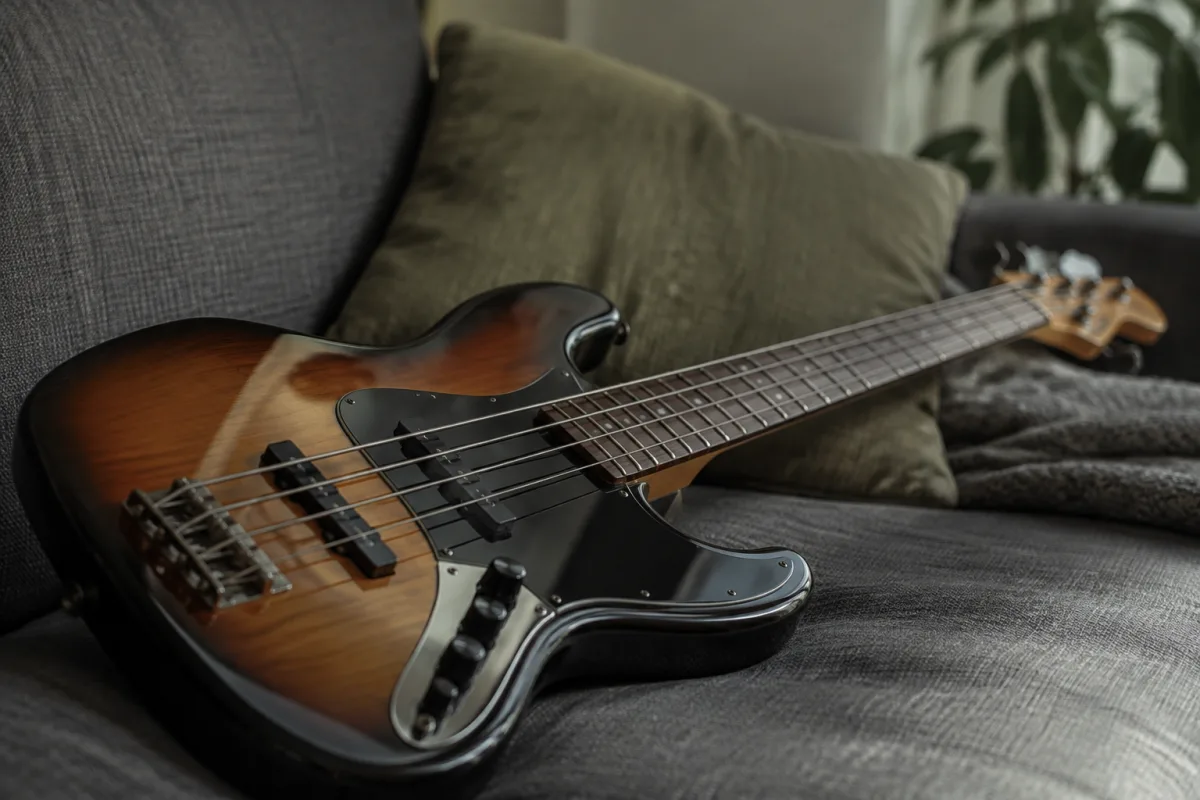
Cort electric bass guitars have carved out a significant niche in the bass world, offering reliable, professionally crafted instruments at accessible prices. Whether you're a gigging player, studio musician, or dedicated enthusiast, understanding what these instruments bring to the market can help you make an informed choice.
Who Is Cort?
Cort Guitars is a South Korean manufacturer founded in 1973, headquartered in Seoul. The company has built a reputation as an Original Equipment Manufacturer (OEM) for major brands, whilst simultaneously developing its own respected line of bass guitars. This dual heritage means the brand combines factory experience with direct market insight—they understand what professional players need because they've made it for everyone.
The Cort range spans budget-conscious student models through to mid-range professional instruments, with a focus on reliability and playability rather than exotic materials or limited-edition runs.
Design Philosophy
Cort electric bass guitars typically follow timeless, ergonomic designs. The company favours proportions and body shapes that have proven themselves on stages and in recording studios worldwide. Rather than chasing trends, Cort refines classic bass body geometries—solid, balanced instruments designed to sit comfortably across the player's body during long sessions.
The Cort electric bass range includes bolt-on neck constructions for ease of repair and replacement, alongside set-neck models for a more integrated feel. Hardware is generally solid without unnecessary frills, prioritising function and longevity over superficial aesthetics.
Tone and Performance
Most models in this range deliver a warm, articulate tone rooted in traditional bass characteristics. The instruments tend to emphasise clear fundamentals and defined mids—ideal for players who want their bass work to sit transparently in a mix. Many players appreciate the midrange presence, which helps cut through without relying on extreme treble or bass boosts.
Playability is a genuine strength. These instruments feature well-finished necks with comfortable profiles, and fret work is typically consistent. Action and intonation stability allow players to focus on technique rather than fighting their instrument.
Electronics and Hardware
Entry-level models often feature basic pickup configurations—typically a split-coil humbucker or dual single-coil setup—paired with straightforward preamps or passive electronics. As you move into higher price points, you'll find upgraded pickups from respected manufacturers, active electronics with EQ controls, and premium hardware like Gotoh bridges.
The electronics tend toward clarity and reliability. You won't find elaborate onboard processors or unnecessary complexity; instead, the brand focuses on pickups and preamps that respond cleanly to your playing dynamics and deliver predictable results across genres.
Model Highlights
The Cort electric bass range includes several notable families:
- Action Series: Entry-level models designed for students and beginners, offering solid construction at entry prices.
- B Series: Mid-range electric bass guitars balancing playability with tonal versatility, suitable for gigging musicians.
- Artisan and Custom Series: Higher-end instruments with premium appointments and more refined hardware selections.
Materials and Build Quality
The brand sources solid tonewoods for its bodies and necks. Mahogany, alder, and ash are common body woods, each contributing distinct sonic characteristics. Maple is frequently used for fretboards and sometimes as neck material or through-body laminates. Quality control across the manufacturing process results in consistent finishes and solid structural integrity.
Finish quality is generally smooth and durable, with lacquer and polyurethane applications that age well and resist the wear of regular gigging.
Price and Value
These instruments represent strong value across the range. Entry-level models sit in the sub-£300 bracket, making them accessible for students. Mid-range instruments (£400–£800) offer significant playability improvements and tonal refinement for gigging musicians. Higher-end offerings approach £1000 and beyond, delivering premium build quality and exotic tonewoods without charging superbrand premiums.
For the price, you get instruments that rival more expensive alternatives in playability and tone.
Where They Excel
These instruments excel in several contexts:
- Working Musicians: Reliable, durable, and playable—exactly what a gigging bassist needs.
- Studio Recordings: The clear, articulate tone cuts well in mixes without demanding excessive processing.
- Beginners and Students: Affordable instruments that don't compromise on build quality or playability.
- Backup Instruments: Players often keep one as a dependable second bass.
Customisation and Aftermarket Support
These instruments respond well to upgrades. Many players swap pickups, preamps, or bridges to tailor tone and feel. The bolt-on neck design on many models means easy replacement if desired. Parts compatibility is generally straightforward—the brand uses standard dimensions for hardware and electronics, making aftermarket modifications accessible.
Resale value is respectable. The brand's reputation means used models maintain reasonable value on the secondhand market.
Playing Across Genres
These instruments are at home across a wide range of styles. The warm, articulate tone suits rock, funk, jazz, blues, and contemporary music genres equally well. Their solid fundamentals mean they adapt to your playing style rather than imposing a particular sonic character. Whether you're keeping pocket-focused grooves, digging into syncopated funk patterns, or exploring jazz changes, you get a platform that responds to your needs.
Comparison with Alternatives
Against comparable Fender or Ibanez models at similar price points, these instruments hold their ground in build quality and playability. They tend to offer slightly warmer tones than some Ibanez designs, and comparable ergonomics to Fender without the associated price premium. Compared to budget-friendly Squier options, the brand typically edges ahead in hardware quality and fretwork consistency.
Conclusion
Cort electric bass instruments represent a thoughtful, professional approach to bass-building. The company's OEM heritage, combined with decades of direct market experience, results in reliable instruments for everyone from curious beginners through working professionals. If you prioritise playability, tonal clarity, and value for money, one deserves serious consideration. They're the sort of tools that earn respect through consistent performance rather than flashy marketing—exactly what a bass player needs.





Comments