


Cool Guitar Buying guide
Cool Guitar: A Complete Buyer's Guide
A cool guitar combines visual appeal with solid functionality. Learn how to identify instruments that match your musical identity and look great whilst delivering satisfying tone.
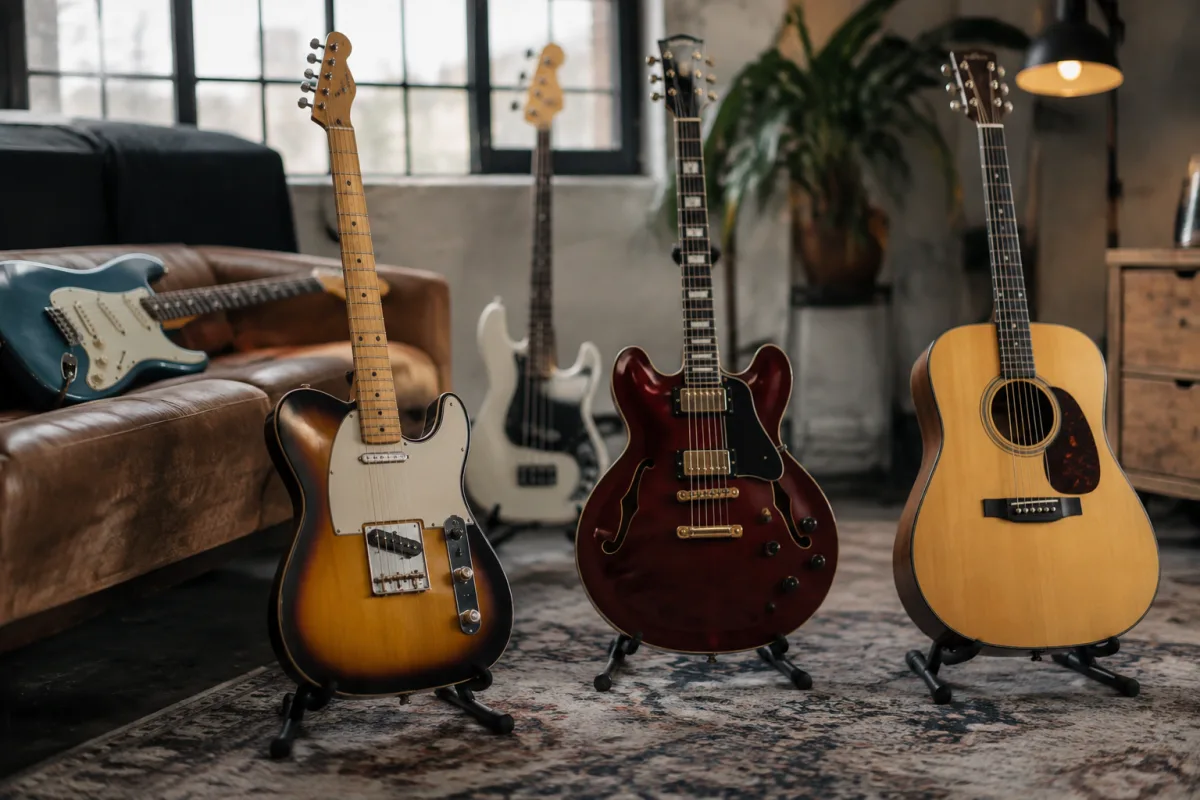
Buying a guitar is as much about personal style and aesthetic appeal as it is about tone and playability. A "cool" guitar combines visual appeal with solid functionality, allowing you to look and sound great simultaneously. However, the definition of "cool" varies dramatically between individual players—what appeals to a blues traditionalist differs entirely from what excites a modern rock musician or jazz player. This buyer's guide focuses on practical considerations for choosing a guitar that you'll find genuinely cool to look at, play with pride, and enjoy for years.
Defining "Cool" in Guitar Terms
"Cool" is subjective, but certain characteristics consistently appeal to guitarists across genres. A cool guitar captures attention visually, reflects the player's personality and musical style, feels substantial and well-made, and produces tone that matches the guitar's aesthetic. A vintage-looking semi-hollow body guitar conveys blues credibility. A sleek modern design suggests contemporary styles. A classic Fender or Gibson shape signals timeless appeal. Understanding what "cool" means to your specific musical identity helps you identify guitars that genuinely excite you.
The most important principle is authenticity. A guitar that appeals to your genuine musical values and aesthetic preferences will remain cool to you for decades. A guitar chosen purely because it's fashionable this year might feel dated or inauthentic within months. Choose based on your authentic tastes, not external trends.
Visual Aesthetics and Personal Style
Aesthetic considerations matter when choosing any guitar. Colour, finish, hardware, and body shape all contribute to a guitar's visual appeal. Do you prefer classic sunburst finishes that recall vintage guitars, or modern metallic finishes? Natural wood finishes showing grain character, or high-gloss painted finishes? Gold or nickel hardware? These preferences genuinely affect how much you'll enjoy looking at and playing your guitar daily.
Body shape influences both aesthetics and functionality. Offset designs (Jaguar, Jazzmaster style) convey modern alternative rock energy. Stratocaster shapes suggest versatility and classic appeal. Semi-hollow bodies imply jazz or blues sophistication. Exploring different body shapes helps you identify designs that resonate with your musical identity. Finding a body shape you genuinely love encourages more frequent playing and stronger connection with your instrument.
The Balance Between Looks and Sound
An essential consideration: a visually cool guitar must also deliver satisfying sound. A beautiful guitar that sounds thin or unremarkable becomes frustrating quickly. Conversely, a fantastic-sounding guitar in an aesthetically unappealing design might hold you back despite excellent functionality. The ideal guitar balances visual appeal with tonal quality, creating an instrument you love both looking at and listening to.
This balance manifests differently across price ranges. Budget guitars sometimes sacrifice either aesthetics or sound to remain affordable. Mid-range guitars often balance both effectively. Premium guitars can excel in both areas but don't necessarily do so better than well-chosen mid-range instruments. Your actual budget and priorities determine which balance makes sense.
Categories of Cool Guitars and Their Characteristics
Classic Vintage-Style Guitars: Fender Stratocasters, Telecasters, and Gibson Les Pauls define cool for many players. These timeless designs carry decades of musical history and appeal across genres. Buying vintage or vintage-styled models ensures you own an instrument with proven aesthetic credibility. Price ranges vary dramatically—affordable new models to expensive vintage originals.
Semi-Hollow Body Guitars: Jazz and blues players gravitate toward semi-hollow designs for their warm tone and sophisticated aesthetic. These instruments convey musical maturity and look equally at home in jazz clubs, blues bars, or studio sessions. Brands like Epiphone, Fender, and Gibson offer quality semi-hollow options across price ranges.
Modern Alternative Designs: Offset designs and contemporary aesthetics appeal to players seeking a distinctive visual presence. Jaguars, Jazzmasters, and modern boutique designs offer unique aesthetics that stand out in contemporary music contexts. These guitars suit alternative rock, indie, and progressive music communities.
Single-Cutaway Models: The single-cutaway shape (popularized by Gibson Les Paul) conveys rock credibility and power. Players across rock, hard rock, and blues genres appreciate the distinctive shape and its historical significance. Modern versions offer both vintage aesthetics and contemporary features.
Specialty and Signature Models: Artist signature guitars offer aesthetic distinctiveness and connection to musicians you admire. However, examine these critically—celebrity association doesn't guarantee the guitar suits your actual needs. Evaluate signature models on their merits rather than brand association alone.
Finish Options and Durability
Guitar finishes dramatically affect visual appeal but vary in durability. High-gloss finishes look striking initially but show dust, fingerprints, and minor scratches more noticeably. Matte finishes show cosmetic wear less obviously but might lack visual pop. Natural wood finishes showcase beautiful grain but require more careful maintenance.
Custom colour options allow personal expression but might appeal to fewer people if you ever resale the guitar. Classic colours (sunburst, natural, black, white) maintain broad appeal and potentially better resale value. Rare colours make guitars more distinctive but potentially less marketable later.
Consider your lifestyle and playing environment. If you gig frequently, the finish will accumulate wear regardless of type. If you primarily play at home, finish durability matters less than aesthetic appeal. Many professional players eventually stop worrying about cosmetic condition and simply enjoy playing instruments showing character from years of use.
Hardware and Component Quality
Visual appeal extends beyond finish to hardware and components. Quality tuning machines, bridge hardware, and pickups contribute to both aesthetic and functional excellence. Budget guitars sometimes feature plastic or cheap-looking hardware detracting from overall visual appeal. Mid-range and premium guitars typically offer quality hardware enhancing both appearance and reliability.
Pickup covers, switch plates, and binding colours add subtle visual character. Some players prefer minimal, clean aesthetics; others enjoy decorative appointments and embellishments. These preferences affect which guitar styles appeal to you. Examine hardware and components closely when evaluating instruments—quality hardware contributes to perceived value and genuine reliability.
Branding and Resale Considerations
Recognisable brands carry both advantages and disadvantages. Famous brand names suggest quality and retain resale value, but brand cachet doesn't guarantee superior quality at specific price points. Lesser-known brands sometimes offer better value and distinctive aesthetics. Consider whether brand prestige matters to your actual needs or represents unnecessary premium pricing.
If you anticipate reselling your guitar eventually, classic designs from established brands maintain resale value better than trendy styles or boutique brands. However, guitars you genuinely love and use extensively become sentimental and less likely to sell, making resale value less relevant to your actual buying decision.
Price Ranges and Value Assessment
Budget Range (£150-£400): Entry-level guitars offer surprising value and style variety. Many look far more expensive than their actual price. Sound quality varies significantly—play before purchasing. At this price, prioritise comfort and visual appeal; tone improves with your skill development.
Mid-Range (£400-£1000): This price range offers the best balance of aesthetics, build quality, and sound. Most professional working musicians own guitars in this range. You'll find authentic cool factor without excessive premium pricing.
Premium Range (£1000-£3000+): Premium prices reflect superior materials, construction, and tonal characteristics. These instruments are genuinely excellent but don't necessarily feel or sound dramatically better than well-chosen mid-range guitars to many players. Diminishing returns set in significantly at these price points.
Critical Considerations When Evaluating Cool Guitars
- Play Before Purchasing: Never buy a guitar without physically playing it. Visual appeal means nothing if comfort or playability frustrate you. Spend time with the instrument in normal playing positions.
- Assess Sound Quality Honestly: Cool aesthetics don't compensate for disappointing sound. If a guitar sounds thin, dead, or unresponsive, no amount of visual appeal justifies the purchase.
- Consider Maintenance Requirements: Some finishes and aesthetic choices demand specific maintenance. Natural finishes need regular oiling. Unusual colours need specialized touch-up paint. Choose based on your willingness to maintain appearance.
- Evaluate Setup and Action: A poorly set-up cool guitar becomes frustrating. Verify that intonation, action, and truss rod adjustment suit your preferences and playing style.
- Match Guitar to Your Actual Style: Cool authenticity comes from matching instrument to genuine musical identity. A metal player buying a jazz guitar because it looks cool will feel inauthentic despite visual appeal.
- Assess Long-Term Appeal: Will this guitar still feel cool to you in five years? Does it reflect genuinely lasting personal style or temporary trends?
Finding and Purchasing Cool Guitars
Authorised retailers allow you to play before purchasing and provide warranty coverage. Speciality shops often have more distinctive models than mass retailers. Used guitar dealers offer vintage and discontinued models at reasonable prices. Online retailers sometimes offer better prices but prevent hands-on evaluation.
For rare or distinctive models, speciality dealers and boutique builders offer custom options and unique styles. These typically cost more but deliver genuinely distinctive instruments reflecting individual player identity. For further details on guitar styles and specific models, explore our complete guide to cool guitars.
Making Your Cool Guitar Choice
Choosing a cool guitar requires balancing visual appeal, tonal quality, playability, and authenticity to your musical identity. Prioritise instruments you genuinely love both looking at and playing. Avoid choosing purely based on trends or brand prestige. The coolest guitar is ultimately the one you'll play most frequently because you love how it looks and sounds.
A truly cool guitar reflects your musical personality, encourages regular practice, and remains visually and sonically satisfying for decades. Choose thoughtfully based on genuine preferences rather than external trends, and you'll own an instrument you genuinely love.


Comments