


Bass Charvel Buying guide
Bass Charvel: A Complete Buyer's Guide
Choosing the right bass Charvel requires understanding specifications and build quality that affect playability and value.
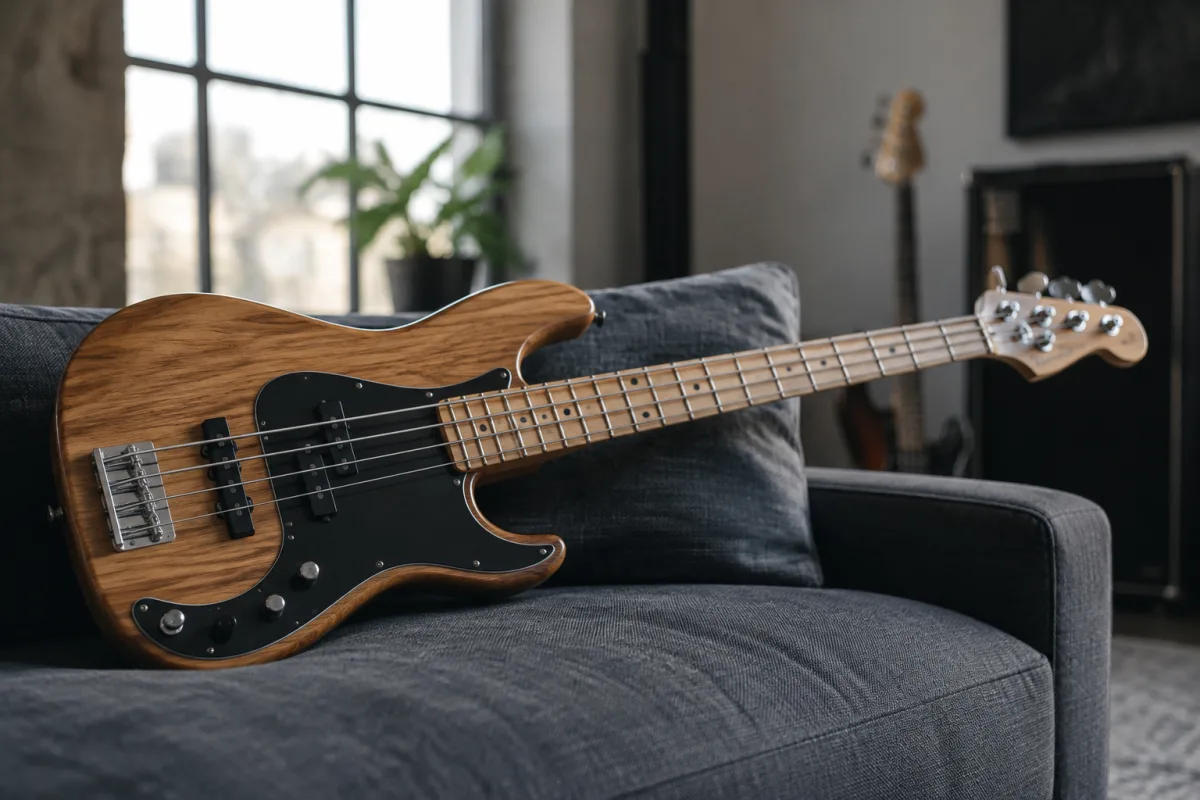
Buying a bass Charvel requires understanding what separates solid performance investments from buyer's remorse—and with electric bass guitars, the differences are both subtle and significant. A bass Charvel represents genuine quality in the modern bass market, but knowing what specifications actually affect your playing distinguishes smart purchases from expensive mistakes. This buying guide cuts straight to practical decision-making: how Charvel bass models differ, which specifications matter for your playing style, identifying appropriate price tiers, and recognising common pitfalls that lead to frustration. Whether you're replacing your first bass or investing in professional equipment, understanding these considerations transforms your purchase into an instrument that genuinely serves your musicianship.
Why Charvel Bass Deserves Consideration
Charvel maintains a solid reputation for quality construction and reliable electronics. A bass Charvel combines approachable pricing with genuine performance, making it accessible to serious players without premium-brand overhead. Budget bass Charvel instruments work reasonably well; mid-range models offer impressive value; professional-grade bass Charvel options provide tour-worthy reliability. The consistency across their range means you're unlikely to purchase a lemon, though individual models vary significantly in suitability for different playing styles and budgets.
Body Type and Wood Selection
Most bass Charvel instruments come in bolt-on neck construction, which simplifies repair and modification compared to set-neck designs. Wood choice affects both tone and durability. A quality bass Charvel uses solid wood bodies, not plywood or composite materials. Alder provides warm, rounded tone; ash offers brighter response. Examine your chosen bass Charvel for finish quality and structural integrity. Poor finishes indicate corner-cutting elsewhere. Check that the bass Charvel body shows no cracks, warping, or delamination—these problems accelerate and become expensive. Weight matters too; a properly constructed bass Charvel should feel balanced rather than neck-heavy.
Neck Profile and Playability
The neck is arguably most important for bass Charvel playability. Examine the profile—some players prefer slim, fast necks, whilst others favour heavier profiles. Play multiple bass Charvel instruments to find what feels natural under your hands. Check the fretboard. Quality bass Charvel instruments use properly dressed frets with consistent spacing. Run your thumb down the bass Charvel frets; they should feel smooth without high spots or dips. Neck relief (slight forward bow) should be minimal—check by sighting down the bass Charvel neck against a light source. A bass Charvel with twisted or warped neck requires expensive repair.
Electronics Quality and Upgrade Potential
Budget bass Charvel models sometimes include basic electronics that work but lack refinement. Mid-range bass Charvel options typically offer respectable pickup quality and functional controls. Professional bass Charvel instruments feature premium pickups and sophisticated electronics. Important question: can you upgrade? Some bass Charvel models allow pickup and electronics replacement; others have proprietary cavities or wiring that complicates modification. Consider whether you'll want to upgrade your bass Charvel later, or whether stock electronics suit your needs permanently.
Price Tiers and Value Assessment
Budget bass Charvel units (under £400) suit absolute beginners and hobbyists. These instruments work adequately for learning but lack professional refinement. Mid-range bass Charvel models (£400-800) serve serious hobbyists and semi-professional players. Value here is excellent—decent build quality, respectable electronics, and playable instruments that won't embarrass you live. Professional bass Charvel keyboards (£800+) cater to touring musicians and studio recording. Expect premium components, meticulous quality control, and road-worthy construction.
Bridge and Hardware Quality
Examine the bass Charvel bridge closely. Quality hardware maintains tuning stability and sustain. Budget bass Charvel instruments sometimes use thin, flimsy bridges that rattle and damp tone. Mid-range and professional bass Charvel options typically feature solid, well-constructed bridges. Test tuning stability by playing hard and checking if pitch holds. A quality bass Charvel maintains tuning even after aggressive playing. Check all hardware mounting—loose screws, stripped holes, or poor fitment on a bass Charvel suggest rushed manufacturing.
Common Buying Mistakes With Bass Charvel
Don't prioritise appearance over playability. A beautiful-looking bass Charvel that feels awkward creates frustration outweighing aesthetics. Don't ignore weight and balance. A heavy, neck-heavy bass Charvel becomes painful during extended playing sessions. Comfort matters enormously. Don't dismiss shop-worn or display models prematurely. These bass Charvel instruments often represent excellent value—slight cosmetic issues hide perfectly functional instruments. Don't forget to actually play the specific model you're buying. Different bass Charvel versions within the same line can vary significantly in playability and tone.
Trying Multiple Models Before Deciding
Spend serious time comparing bass Charvel instruments. Borrow multiple models if possible, playing them in your practice space where you'll assess them fairly. How does each bass Charvel feel during extended sessions? Do the electronics respond to your playing style? Does the tone suit music you actually play? Purchasing decisions should never happen hastily; invest time evaluating thoroughly before committing your money to any bass Charvel.
Setup and Maintenance Considerations
Professional setup optimises any bass Charvel instrument. Action (string height) dramatically affects playability—too high feels difficult, too low causes buzzing. Most bass Charvel buyers benefit from professional setup before playing seriously. Learn basic maintenance—occasional cleaning, string care, and periodic fret conditioning keep your bass Charvel playing optimally. User manuals provide specific guidance for each model.
Conclusion
Choosing the right bass Charvel requires matching specifications and build quality to your playing style and budget. For detailed technical specifications, model comparisons, and comprehensive features, consult the complete guide to bass Charvel. Taking time to evaluate options thoroughly and test instruments properly transforms your bass Charvel purchase into an investment that genuinely serves your musicianship for years.





Comments