


ESP 7 String article
Esp 7 String for Beginners: A Complete Guide
Intimidated by a seven-string guitar? Our beginner's guide makes it simple. Learn the layout, first steps, and how to master your ESP 7 string quickly.
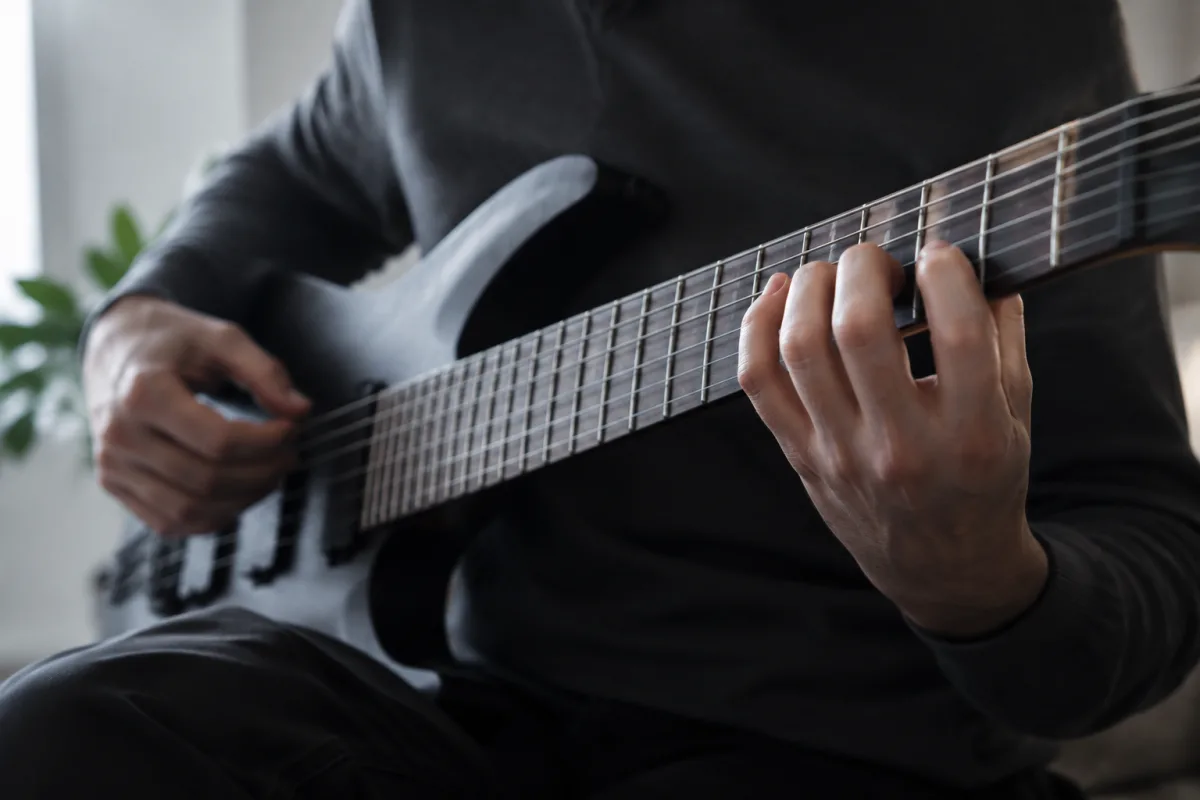
An ESP 7 string guitar might seem intimidating if you're just starting out. An extra string beyond the standard six? It sounds complex, but here's the truth: picking up a seven-string ESP is a natural step for beginners who want to explore heavier music genres or simply expand their creative possibilities. This guide walks you through everything a nervous first-timer needs to know about getting started with an ESP 7 string, from understanding the layout to building muscle memory and avoiding common pitfalls.
Why Choose an ESP 7 String as a Beginner?
You might wonder why you'd add complexity when you're still learning. The answer is simpler than it seems. An ESP 7 string is perfect for beginners because ESP designs their instruments with ease-of-play in mind. The extra low B string doesn't make the guitar harder to learn—it just gives you lower note access straight away. If you're drawn to metal, progressive rock, or modern R&B, an ESP 7 string lets you access the sounds you love from day one, which is hugely motivating. Learning songs you actually want to play is the fastest path to genuine progress.
Understanding the ESP 7 String Layout
An ESP 7 string has seven strings instead of six. The standard tuning adds a low B string below the usual E string. That means your strings run: B-E-A-D-G-B-E (from lowest to highest). Don't panic—this isn't random. The bottom four strings follow familiar intervals, just an octave lower. Your finger placement and shapes from standard tuning transfer over seamlessly. The width of an ESP 7 string neck is slightly broader to accommodate the extra string, but most beginners adapt in just a few weeks. Your hands might feel full at first; that's normal and temporary.
Your First Week: Building Comfort With the Layout
When you first hold an ESP 7 string, focus on feeling the extra string rather than playing anything complicated. Simply pluck each string slowly, listening to the tuning from low B all the way up. Get used to where that low B sits—it's your new anchor point. Spend a few days just playing single notes on random strings to develop finger independence. You'll find the extra string quickly becomes invisible to your muscle memory. Many beginners worry they'll get lost; they never do. Your hands learn faster than you expect.
Easy Songs to Start With
Here's where an ESP 7 string becomes exciting for beginners. Look for songs written specifically in drop B or standard B tuning—bands like Deftones, Korn, and modern Trivium tracks are perfect entry points. These songs use the lower register in ways that feel natural on a seven-string, making the tuning feel purposeful rather than added. Starting with riffs designed for the low B string is genuinely easier than trying to adapt six-string songs. Your first weeks become about playing music you love, not struggling with adapting standard shapes.
Common Beginner Mistakes With an ESP 7 String
Accidentally hitting the low B. New players often catch the low B string accidentally when reaching across the neck. It sounds jarring, but this is how you learn. After a few days, your hand position adjusts automatically. Don't let it discourage you.
Neglecting the low B in your practice. Some beginners learn the six higher strings and ignore the seventh. That defeats the purpose. Dedicate practice time to incorporating the low B into finger exercises and riffs. Treat it as integral, not optional.
Struggling with string tension. Seven strings mean more overall tension on the neck. If your action (string height) feels too high, don't assume it's a setup issue—you might just need time to build finger strength. Give yourself two weeks before adjusting anything.
Tuning instability early on. A new seven-string guitar can feel like it won't stay in tune. This usually settles after the strings break in (first week or two). The extra string means more tuning pegs to turn, but the principle is identical to six-string guitars.
Finger Strength and Conditioning
Seven strings require slightly more hand strength than six, but not dramatically more. If you already play guitar, you'll notice minimal difference. If you're completely new, expect some soreness in your fingertips for the first week—that's normal and indicates your calluses are forming. Beginners sometimes quit due to finger pain, but persisting through it for just seven days makes a huge difference. Your fingers will thank you. Practice 20-30 minutes daily rather than forcing long sessions that leave your hand aching.
Tuning Stability Tips for Beginners
New strings stretch, and seven strings stretch a bit more than six. Expect your ESP 7 string to need frequent tuning during the first week. Gently pull on each string (away from the neck) several times during initial setup to speed up the break-in period. A decent digital tuner is essential—spend £15-30 on one rather than trying to tune by ear at this stage. Once strings settle (usually after 7-10 days), tuning stability improves dramatically. Many beginners don't realise this is temporary and give up prematurely.
Building Muscle Memory at Your Pace
Muscle memory for a seven-string develops at the same pace as a six-string—roughly one riff per week of focused practice. The difference is that you're learning patterns suited to the tuning, which feel more natural. Beginners often progress faster on seven-string instruments when the songs match the tuning. Set realistic targets: master one riff per week, not the entire song. Celebrate small wins. Confidence builds quickly when you're playing recognisable music.
When to Adjust Your Technique
Your grip, wrist position, and general posture on an ESP 7 string are virtually identical to a six-string. The only adjustment most beginners make is shoulder width—sometimes you'll hold the guitar slightly lower to accommodate the slightly wider neck. It's a tiny adjustment that happens naturally. If you're experiencing pain (beyond normal finger soreness), stop and check your posture rather than pushing through. Pain is different from discomfort, and it's your signal to adjust technique.
Looking Forward
An ESP 7 string is your gateway to genres and sounds you love. Beginners often feel nervous about the extra string, but it becomes second nature within weeks. The fact that you're committing to a seven-string suggests you have music you want to play—hold onto that motivation. It's what carries you through early challenges and makes learning genuinely rewarding. For a deeper dive into seven-string guitars and their nuances, explore our complete guide to ESP 7 string guitars.
Quick Tips for Success
Invest in a proper tuner and spend time breaking in your strings before worrying about tuning stability. Join online communities of seven-string players for encouragement and tips. Start with songs specifically written in seven-string tuning rather than adapting six-string riffs. Practice the low B string deliberately, not as an afterthought. Most importantly, be patient with yourself—progress happens quietly before you notice it's happening.


Comments