


Yamaha Guitar Amplifiers article
Yamaha Guitar Amplifiers for Beginners: A Complete Guide
Your first guitar amplifier is a big step. Yamaha guitar amplifiers are excellent for beginners because they're reliable, affordable, and beginner-friendly.
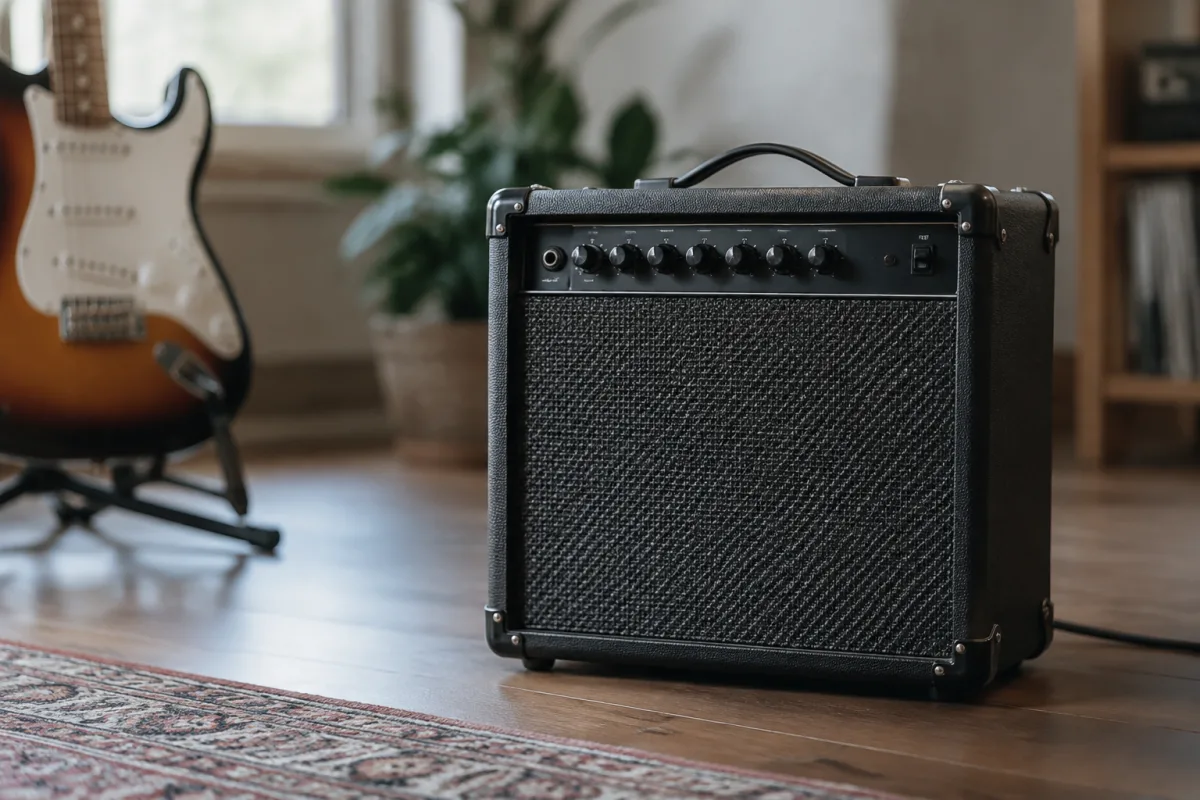
Your first guitar amplifier is a big step. You're moving from practising silently or through headphones into actually producing sound. Yamaha guitar amplifiers are excellent for this transition because they're designed to be beginner-friendly, reliable, and affordable. This guide walks you through setting up your first Yamaha amp, understanding how to use it, and building confidence so you can focus on playing instead of worrying about the equipment.
Why Yamaha Guitar Amplifiers for Your First Amp?
When you're starting out, you need an amplifier that simply works without demanding expertise. Yamaha guitar amplifiers deliver this. They're known for clean sound, straightforward controls, and durability. Beginners don't need a complicated amp with hundreds of effects; they need something responsive that lets them hear their playing clearly and inspires confidence. Yamaha guitar amplifiers fit this need perfectly. The controls are intuitive. The sound is forgiving. The build quality means your amp will outlast your first few years of playing. Most importantly, Yamaha amps help you hear what you're actually doing as a guitarist, which is how you develop good playing habits.
Understanding Your Yamaha Guitar Amplifiers: The Basic Layout
Every Yamaha guitar amplifiers follows a similar control layout. Once you understand one, you understand them all. Here's what you're looking at:
The input jack. This is where your guitar cable connects. That's it. Simple.
Volume control. This is your primary knob. Turn it right to make the amp louder. Turn it left to make it quieter. Most beginners start too quiet, so turn it up more than you think you need. The amp won't sound good if you're afraid to give it volume.
Tone controls. Most Yamaha guitar amplifiers include three knobs: bass, middle, and treble. These shape the character of your sound. Don't overthink these yet. Leave them at 12 o'clock (neutral) for your first week. After a few rehearsals, you'll develop a feel for which directions matter.
Gain or drive control. Some Yamaha guitar amplifiers include a separate gain knob controlling how much your guitar signal is amplified before hitting the main volume. Start with this around 7/10. It's subtler than volume but important for how responsive the amp feels.
Reverb control (if included). Reverb adds a natural space to your tone. On Yamaha guitar amplifiers with reverb built-in, start with it at 3 or 4 on a scale of 10. This adds dimension without overwhelming your playing.
Your First Yamaha Guitar Amplifiers Setup: Three Essential Steps
You've got your amp. Now what? Follow these three steps:
Step 1: Power it properly. Your Yamaha guitar amplifiers needs mains power or, for smaller models, reliable batteries. Check your manual for power requirements. Plug it in and verify a small LED light comes on, indicating power is active. Never ignore power warnings or use incorrect power supplies; they damage amps.
Step 2: Plug in your guitar cable. Connect your guitar to the input jack on your Yamaha guitar amplifiers. You should see the cable connector seat fully. Half-inserted cables cause noise and intermittent audio.
Step 3: Start with volume very low. Turn your Yamaha guitar amplifiers volume knob to 1 or 2. Turn on the amplifier. Pluck your guitar gently. You should hear sound, but very quietly. This is normal. Gradually increase the volume until you can hear yourself clearly without it being painfully loud. Congratulations—you've powered your first amp.
Tuning the Tone: How Yamaha Guitar Amplifiers Sound Changes
Yamaha guitar amplifiers are designed so you can shape tone intuitively. The three-band EQ (bass, middle, treble) is your starting point for tone shaping:
Bass (low end). Turning this up thickens your tone and adds low-frequency rumble. Turning it down tightens and thins your sound. Start at noon. If your amp sounds muddy, turn bass down slightly. If it sounds thin, turn it up.
Middle (presence). This is where most guitar frequencies live. Boosting middle adds punch and cut; cutting it removes aggression. This is the most musical control to experiment with. Spend time here.
Treble (high end). Turning this up adds brightness and sharpness. Turning it down mellows your tone. Most beginners like some treble for clarity. Start at 12 o'clock and adjust based on what you hear.
The key: small adjustments matter. Turn a knob 1/10th at a time and listen. Big twists lead to extreme sounds that don't serve your playing.
Common Beginner Mistakes with Yamaha Guitar Amplifiers
Here's what catches newcomers repeatedly:
Mistake: Running the amp too quietly for too long. Beginners keep volume low to avoid disturbing others. Ironically, this makes amp problems harder to hear and prevents you from learning your instrument properly. Use reasonable practice volume. You need to hear what you're actually doing.
Mistake: Cranking every control to maximum. More doesn't equal better. A Yamaha guitar amplifiers with all controls at 10 sounds terrible and teaches bad technique. Moderation creates better tone. Start with controls at neutral (12 o'clock) and adjust one at a time.
Mistake: Ignoring cable quality. Your guitar cable is the connection between you and your amplifier. A cheap cable with intermittent connections causes crackling, noise, and frustration. Invest in one decent cable. Keep it safe. It pays for itself in reliability.
Mistake: Expecting your amp to fix your technique. If you're struggling with tone, your playing technique probably matters more than your equipment. A great guitarist through a modest Yamaha guitar amplifiers sounds good. A poor guitarist through expensive gear still sounds poor. Focus on playing first. Equipment matters second.
Mistake: Leaving your amp on. Tubes and electronics degrade with extended operation. Turn your Yamaha guitar amplifiers off when you're done. Let it cool. Respectful power management extends amp life significantly.
Maintenance: Keeping Your Yamaha Guitar Amplifiers Working
Yamaha guitar amplifiers are built tough, but basic care extends their life:
Keep them in a dry room. Moisture damages electronics. After playing, wipe down any dust or moisture from the cabinet. Store cables coiled loosely, not kinked tight. Check connections occasionally to verify they haven't loosened. Don't drop your amp or expose it to sudden temperature changes. These simple habits keep your Yamaha guitar amplifiers working for years.
Troubleshooting: Why Is My Amp Doing That?
Something odd happening? Check these first:
No sound at all? Is the amplifier powered on? Check the power switch and indicator light. Is your guitar plugged in to the input jack? Try a different input cable—your current cable might be broken. If still nothing, check your guitar is working (try plugging into different equipment or having someone test it).
Sound drops in and out? Loose cable connection is the culprit 90% of the time. Check that your guitar cable is fully seated in both your guitar and your Yamaha guitar amplifiers. Wiggle the connections slightly while playing to identify intermittent contact.
Crackling or buzzing noise? This usually indicates a cable problem, a loose connection, or occasionally nearby electrical interference. Try a different cable. If the noise persists, move your amp away from fluorescent lights or electrical equipment creating interference.
Playing Through Your Yamaha Guitar Amplifiers
Your first week with a new amp is about getting comfortable. Your tone will improve as you learn how adjustments work. Your fingers will develop calluses from more frequent practice. Your ear will train to hear what sounds right. All of this is normal and healthy. Yamaha guitar amplifiers accelerate this learning because they respond transparently to your playing—when you improve, you hear the improvement clearly.
Moving Forward
Once you're comfortable with basics, the complete guide to yamaha guitar amplifiers explores advanced tone shaping, different Yamaha amp models, and matching amps to your musical style. But that's a later chapter. For now, plug in, turn it up responsibly, and focus on playing. Your Yamaha guitar amplifiers is ready to support you.
Confidence and Competence
Your first amplifier is a tool for building confidence. You'll make mistakes with settings. Your tone won't be perfect. That's the entire point. Yamaha guitar amplifiers are forgiving enough to let you learn without sounding terrible, reliable enough to depend on, and affordable enough to replace without financial devastation if something goes wrong. Most importantly, you're now creating your own sound instead of imagining it. That's a big step. Enjoy it.


Comments