


PRS Amp Buying guide
Prs Amp: A Complete Buyer's Guide
PRS amplifiers represent hand-crafted tone and meticulous construction at premium pricing. Before buying, understand what PRS amp philosophy means for your music and confirm the model suits your situation.
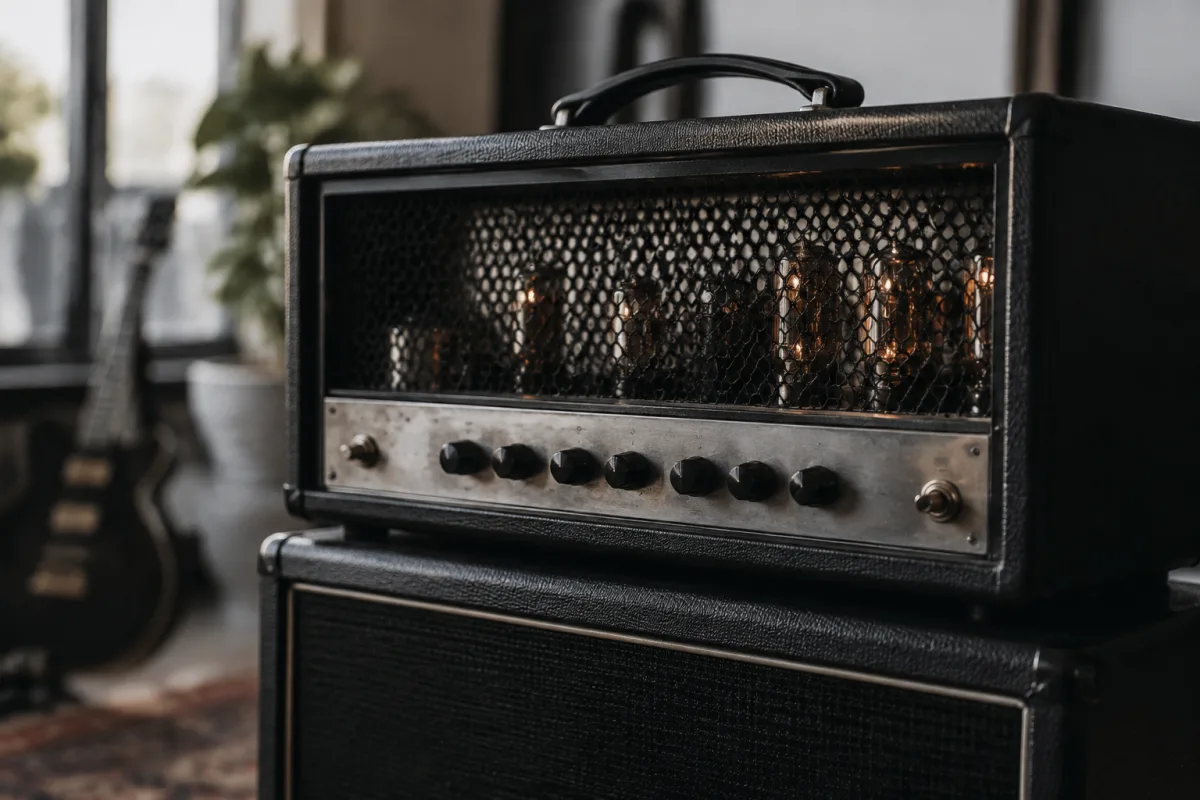
Buying a PRS amp demands understanding what the brand represents in the amplifier world and matching that philosophy to your playing needs. PRS amplifiers carry the brand's reputation for hand-crafted excellence and tonal sophistication, yet their price and approach divide players sharply. This buying guide cuts through the marketing and shows you what PRS amps actually deliver, which models make sense for your budget, and whether PRS amp engineering justifies the investment for your specific playing situation.
Understanding PRS Amp Philosophy Before Buying
PRS guitars are renowned for meticulous craftsmanship and thoughtful design. Their amplifiers inherit that ethos—carefully voiced tone, attention to construction detail, and the belief that amplifier quality matters as much as guitar quality. That approach comes at premium pricing, which is the central question for any PRS amp buyer: does the sonic and build quality justify the cost compared to competing brands?
The honest answer depends on your priorities. If amplifier tone is genuinely important to your music and you value hand-crafted construction over mass production, PRS amps deserve consideration. If you prioritise wattage-per-pound or want the cheapest possible rig, PRS amp pricing will frustrate you.
Play a PRS amp before committing. The tone philosophy is specific—not necessarily better or worse than competitors, just distinctly different. Your ears must connect with that voice for the purchase to feel worthwhile.
PRS Amp Models and Price Tiers
| Model Range | Wattage | Best For | Price Range |
|---|---|---|---|
| Compact/combo models | 5-15W | Recording, practise, studio work, small venues | £400–800 |
| Mid-range heads/combos | 20-40W | Live performance, rehearsal spaces, flexibility | £800–1500 |
| Premium/touring heads | 50W+ | Large venues, touring, demanding performance situations | £1500–3000+ |
For most players, the mid-range PRS amps offer the best balance of capability and value. Premium models deliver marginal performance gains that matter most to touring professionals and studio engineers.
Key Specifications When Evaluating PRS Amps
- Wattage and output stages. Confirm the wattage matches your venue and playing style. Class A designs (typically lower wattage) often sound better at moderate volumes than Class AB designs at maximum power.
- Tone stack and EQ options. PRS amps typically include sophisticated EQ. Ensure the tone controls suit your guitar and playing style—some designs favour brightness, others warmth.
- Speaker configuration. PRS combos usually include 1×12 or 2×12 speakers. Larger cabinets project more bass; smaller ones are more portable. Choose based on your performance venues.
- Tube vs. solid-state. PRS makes both. Tube amps sound warmer but require maintenance; solid-state amps are reliable and lightweight. Neither is objectively superior—it's philosophical preference.
- Effects and reverb. Check what built-in effects are included. High-end PRS amps often include quality reverb and other effects; entry-level models have basics only.
Common Purchasing Mistakes
- Assuming more wattage automatically means better tone. A 20W PRS amp at full volume often sounds better than a 50W amp half-throttled. Wattage affects volume ceiling, not tone quality.
- Buying without hearing the specific model. PRS amps vary significantly between models. Playing one version tells you nothing definitive about another. Hear your intended model.
- Confusing PRS guitar brand loyalty with amp suitability. Brand loyalty is fine, but your amp choice should be independent of your guitar choice. PRS amps work brilliantly with non-PRS guitars and vice versa.
- Underestimating portability needs. A 50W head sounds great in the studio but becomes a burden if you're regularly moving between venues. Be honest about your playing situation.
- Neglecting cable and setup quality. A premium PRS amp connected with cheap cables and poorly set-up instruments sounds worse than its potential. Budget for quality cables and proper setup.
Resale and Depreciation
PRS amps hold value reasonably well, typically retaining 50–70% of purchase price after 3–5 years depending on condition and model demand. Compact and mid-range models hold value better than niche premium versions. Well-maintained PRS amps are genuinely durable investments.
Comparing to Competitors
Before committing to PRS amp pricing, compare tone and features to competitors in the same price range—brands like Mesa Boogie, Fender, and Marshall offer different philosophies at various price points. The best choice isn't necessarily the most expensive or most prestigious; it's the one whose tone and workflow suit your music.
Finding More Information
For comprehensive information about PRS amp models, detailed tone samples, side-by-side comparisons with competing brands, and what professional musicians value about PRS amp engineering, explore our complete guide to PRS amplifiers.
Conclusion
A PRS amp is the right choice if you value tone quality, hand-crafted construction, and thoughtful design over price efficiency. Confirm that the specific model suits your wattage needs and performance venues, play it extensively before purchasing, and commit to using quality cables and proper setup to justify the investment. PRS amps are excellent instruments—just ensure they're excellent for your specific situation, not just your brand preferences.



Comments