
Semi Hollow Body Electric article
The Complete Guide to Semi Hollow Body Electric
Semi-hollow body electric guitars combine acoustic warmth with solid-body reliability, delivering distinctive tone prized in jazz, blues, and alternative music.
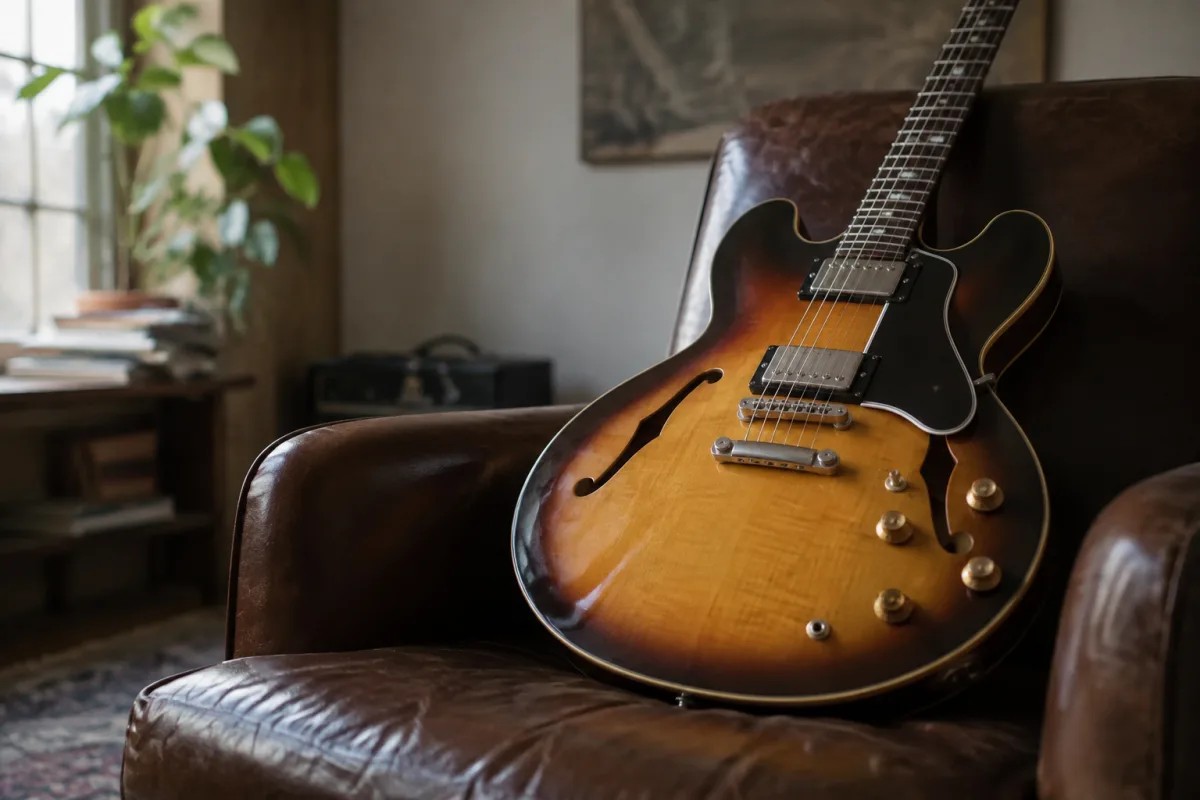
Semi-hollow body electric guitars occupy a fascinating middle ground between solid-body and fully acoustic instruments, delivering tonal warmth and feedback characteristics distinct from fully solid designs. These instruments feature a solid central block running through the body, surrounded by chambers that resonate alongside the solid core. The resulting tone combines the definition of a solid guitar with the warmth and complexity of acoustic resonance, making them particularly appealing to jazz, blues, and alternative players seeking character-driven sound.
Construction & Design Philosophy
The defining characteristic of a semi-hollow body electric involves its internal bracing structure. A solid wooden centre block provides structural rigidity and anchors the bridge and electronics, whilst the outer chambers remain hollow and air-filled. This design emerged from a desire to blend solid-body reliability with acoustic tonal complexity.
Unlike fully hollow acoustic-electric guitars, these instruments remain feedback-resistant because the centre block damps vibrations effectively. Yet they retain acoustic character lacking in pure solid-body designs, creating a unique sonic niche.
Tonal Characteristics
Semi-hollow body electric guitars produce warm, singing tone with natural sustain and harmonic complexity. Clean amplified tone is particularly appealing, where acoustic resonance becomes audible and musically rewarding. The body chambers contribute to warmth and depth, especially in lower frequencies. Overdriven tones remain articulate and controlled, unlike some fully hollow guitars prone to feedback and washout when driven hard.
String vibrations interact with the air inside the chambers, creating subtle harmonic interactions absent in solid-body instruments. This acoustic element proves especially valuable in jazz and blues contexts where tonal character carries importance equal to technical facility.
Popular Designs & Body Shapes
The Gibson ES-335 remains the iconic semi-hollow body electric, instantly recognisable through its double-cutaway body shape and distinctive sound. Variations have proliferated across the decades: the ES-355 (with added appointments and hardware), the ES-125 (smaller and more affordable), and modern reinterpretations from manufacturers worldwide.
Fender offers its own interpretation through the Coronado series, featuring offset body aesthetics paired with semi-hollow construction. Other manufacturers have introduced designs ranging from traditional to contemporary, proving the semi-hollow body concept transcends brand boundaries.
Pickup Considerations
Most semi-hollow body electric guitars feature dual-pickup configurations, typically humbucking designs that resist electromagnetic interference and complement the instrument’s warm inherent tone. Some models offer single-coil options for brighter, more articulate response. Active or passive electronics allow tone customisation from warm and fat through bright and cutting.
The pickup-body interaction creates distinctive tonal character; changing pickups alters sound more dramatically on these instruments than on solid guitars, due to the acoustic element amplifying and colouring the pickup’s inherent character.
Playing Experience & Comfort
Semi-hollow body electric instruments typically weigh more than solid-body alternatives due to the larger wooden mass and thicker walls required for structural integrity. The increased mass contributes positively to sustain and resonance. Body width accommodates various comfort preferences; some players find the wider body cumbersome, whilst others appreciate the ergonomic spread across their torso.
Neck profiles and action feel indistinguishable from solid guitars; the distinctions lie purely in body construction and resulting tone.
Feedback Characteristics & Amplifier Interaction
Unlike fully hollow acoustic guitars prone to howling feedback at high amplifier volumes, semi-hollow body electrics remain sufficiently controlled for stage use even with powerful amplification. The centre block’s structural role prevents the worst feedback scenarios. However, sensitive players or those pushing amplifiers extremely hard may experience subtle feedback becoming musically useful in certain contexts—a quality prized by some jazz and blues players.
This controllable feedback characteristic represents part of their appeal: feedback becomes an expressive tool rather than an equipment liability.
Comparison to Solid and Fully Hollow Designs
| Aspect | Semi-Hollow | Solid-Body | Fully Hollow |
|---|---|---|---|
| Tonal Warmth | Warm & Complex | Defined & Clear | Very Warm |
| Sustain | Long | Very Long | Moderate |
| Feedback Control | Excellent | Excellent | Difficult |
| Weight | Moderate-Heavy | Light-Moderate | Heavy |
| Playability | Standard | Standard | Variable |
Genres & Musical Contexts
Jazz musicians cherish these instruments for their warmth and harmonic complexity. Blues players value the singing sustain and natural tone colour. Alternative and rock musicians appreciate the distinctive character they impart to both clean and overdriven tones. The semi-hollow body concept suits any player prioritising tonal personality and acoustic resonance.
Choosing Your Semi-Hollow Body Electric
Consider your primary musical context and tonal priorities. Jazz players might gravitate toward classic designs like the Gibson ES-335; blues and alternative musicians might explore contemporary interpretations offering modern playability. Evaluate weight comfort, electronics options, and visual aesthetics. Try before purchasing when possible; these instruments vary more dramatically between models than equivalent solid-body guitars, and personal preference plays a substantial role in satisfaction.
A semi-hollow body electric guitar becomes a tonal partner reflecting your musical identity. Its warmth, character, and expressive potential invite genuine musical conversation between instrument and player, translating your artistic voice into compelling sound.


Comments