
Semi Hollow Acoustic article
The Complete Guide to Semi Hollow Acoustic
Semi-hollow acoustic guitars combine warm acoustic resonance with electric guitar playability and amplification. Explore the design, sound, and ideal players for this versatile instrument.
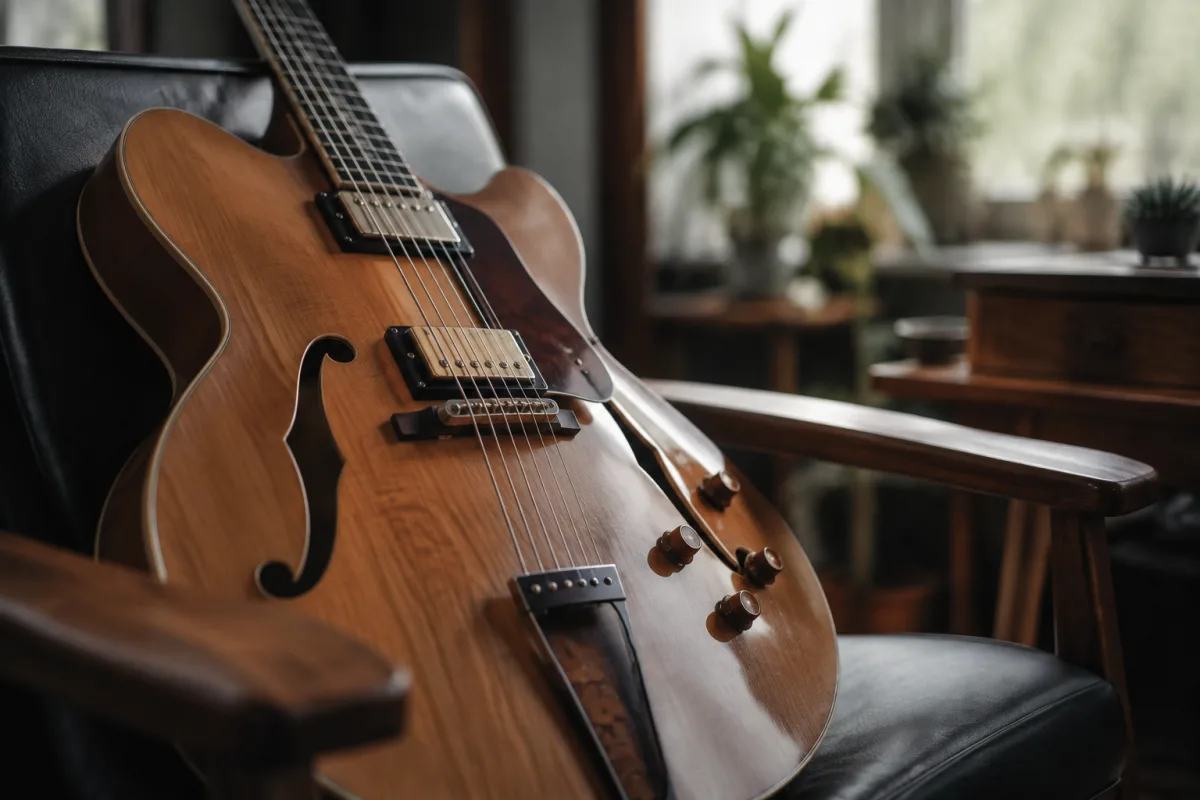
What Is a Semi-Hollow Acoustic Guitar?
A semi-hollow acoustic guitar sits in a unique middle ground—not quite a full acoustic, not quite a solid-body electric. It combines the warm, resonant sound of an acoustic with the playability, amplification-friendly design, and feedback resistance of an electric instrument. For musicians who want genuine acoustic character without sacrificing electric guitar versatility, a semi-hollow acoustic represents the best of both worlds.
The design is elegantly simple: a semi-hollow acoustic body contains air chambers like an acoustic guitar, but a solid centre block runs through the middle, anchoring the bridge and dampening feedback. This hybrid approach delivers acoustic resonance from the body's air movement whilst the solid block prevents the high-feedback problems that plague fully hollow electrics. The result is an instrument that sounds warm and open when played unplugged, yet behaves predictably when amplified.
Construction and Design Principles
A traditional full acoustic guitar is entirely hollow—just wood and air. A fully hollow electric guitar (like a Fender Coronado or semi-acoustic) uses this hollow design, which creates feedback issues at volume because the entire body vibrates and resonates. A semi-hollow acoustic addresses this by running a solid wooden block down the centre, from neck heel to tailpiece.
This centre block serves multiple functions. It stabilises the bridge, ensures reliable tuning stability, and prevents feedback by interrupting sympathetic body vibrations. The remaining air chambers—typically on either side of the centre block—provide the acoustic resonance that gives a semi-hollow acoustic its distinctive tonal character. The result feels less woody than a full acoustic but warmer and more acoustic-like than a typical solid-body electric.
Tonal Character and Acoustic Properties
A semi-hollow acoustic unplugged sounds genuinely acoustic—warm, resonant, and open. You can play fingerstyle unplugged and hear satisfying tone projection. Plug it in, and you get electric amplification that retains acoustic character without requiring heavy processing or effects to sound natural. This is a key advantage over solid-body electrics, which sound thin and characterless without amplification.
The f-holes carved into the body of a semi-hollow acoustic contribute to this acoustic character. Like acoustic guitars, these holes allow air movement inside the body, enhancing resonance and tonal warmth. The overall effect is an instrument that sounds somewhere between a full acoustic and a solid electric—depending on how it's amplified, you can push it toward either end of the spectrum.
Playability and Ergonomics
Semi-hollow acoustic guitars typically feature narrower bodies than full acoustics, making them far more comfortable for extended playing. The reduced body size eliminates the chest fatigue that plagued guitarists playing large acoustics for hours. The neck dimensions mirror electric guitars, so players transitioning from solid-body electrics experience no learning curve—everything feels familiar.
String action (the height of strings above the fingerboard) on a semi-hollow acoustic is usually lower than full acoustics, making fingerstyle and barre chords less fatiguing. The narrower neck profile suits both lead and rhythm playing without requiring hand adjustments. For musicians juggling both acoustic and electric repertoire, a semi-hollow acoustic lets you play both styles on one instrument with minimal transition.
Feedback Management and Amplification
The centre block in a semi-hollow acoustic is specifically designed to manage feedback—the howl and squeal that occurs when amplified sound from speakers re-enters the guitar body and amplifies again. A full hollow electric gives the entire body volume to vibrate sympathetically, creating significant feedback issues. A semi-hollow acoustic's solid centre block breaks up these sympathetic vibrations, making the instrument stable at higher volumes.
This feedback resistance makes semi-hollow acoustic guitars ideal for live performances and studio sessions where volume and amplification matter. You can push the amp harder without fighting back feedback. Add a compressor and a touch of reverb, and a semi-hollow acoustic works beautifully in jazz, fusion, blues, and rock contexts where both acoustic character and electric punch serve the music.
Semi-Hollow Acoustic Models and Styles
The classic semi-hollow acoustic design comes in several variants. The single-cutaway style (like a Gibson ES-335) provides access to upper frets for lead playing. The double-cutaway design (like a Fender Thinline) optimises symmetry and balance. Some models feature archtop construction—carved tops and backs like acoustic archtops—adding classical guitar aesthetics to electric functionality.
Modern semi-hollow acoustic designs range from vintage-inspired recreations to contemporary instruments incorporating modern electronics and construction techniques. Some feature piezo pickups in addition to magnetic pickups, blending acoustic resonance with electric amplification more seamlessly. Others emphasise weight relief through body contouring, making them even more comfortable for hours of playing.
Genre Applications and Playing Styles
Jazz musicians gravitate toward semi-hollow acoustic guitars—the warm, controlled tone and feedback resistance make them perfect for comping (rhythm playing) and solos in ensemble settings. Blues players love the acoustic character combined with electric sustain and controllability. Fusion players use semi-hollow acoustics to bridge acoustic warmth with electric dynamics.
Alternative rock and indie musicians favour semi-hollow acoustics for the unique tonal character they bring to recordings and performances. The instrument's versatility means one guitar works across multiple songs without tonal discontinuity. For songwriter-performers playing both stripped-down acoustic and full-band electric arrangements, a semi-hollow acoustic unifies the sound.
Choosing the Right Semi-Hollow Acoustic
Consider your primary playing context. Will you use this unplugged regularly? Then tonal projection and acoustic character matter most. Will you be amplified live and in studio? Then feedback resistance and electronic quality become priorities. Most semi-hollow acoustic guitars balance both reasonably well, but emphasis varies by model.
Research electronics—pickups, preamps, tuners, volume controls. Quality electronics dramatically affect how the guitar translates through amplification. A well-designed semi-hollow acoustic with quality pickups responds predictably to different amp settings and effects, adapting to whatever musical context you throw at it.
Test different models if possible. The bridge between acoustic and electric guitar is more nuanced than specs alone reveal. One semi-hollow acoustic might feel and sound perfectly balanced; another might skew too far toward acoustic warmth or electric bite. Finding the balance that suits your ear and your hands is worth the time investment before committing to a purchase.


Comments