
Semi Acoustic Hollow Body article
The Complete Guide to Semi Acoustic Hollow Body
A semi-acoustic hollow body guitar blends acoustic warmth with electric versatility—ideal for jazz, blues and players seeking the distinctive character of wooden body resonance combined with amplified power.
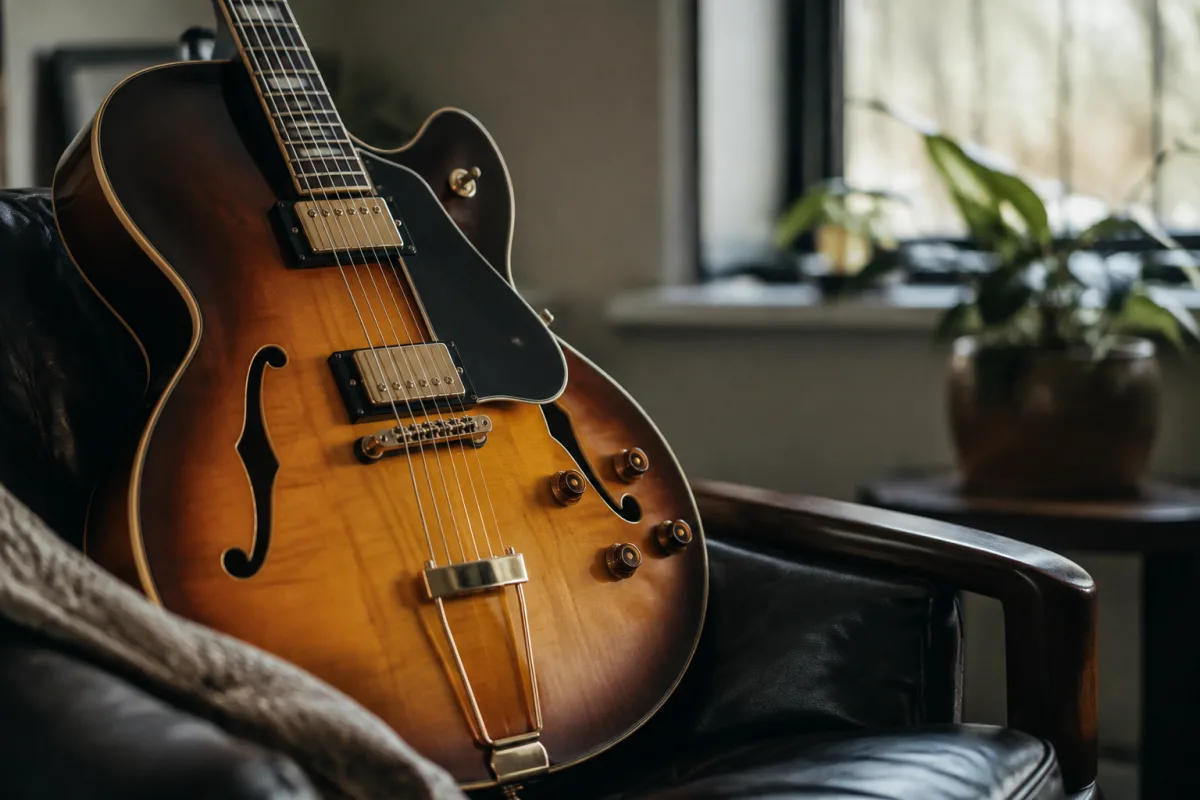
Semi-acoustic hollow body guitars occupy a distinctive sonic middle ground between pure acoustic guitars and solid-body electric instruments, offering warm, resonant tones with the versatility and feedback control essential to amplified performance. A semi-acoustic hollow body guitar combines acoustic amplification—sound emerges from vibrations of the wooden body—with electric guitar electronics, allowing both acoustic and electrically amplified voices from a single instrument. This hybrid character appeals to jazz players, blues musicians and contemporary performers seeking warmth and character that solid-body electrics struggle to deliver.
Understanding Semi-Acoustic Hollow Body Guitars
A semi-acoustic hollow body guitar features a wooden body with significant air chamber, similar to an acoustic guitar, but with strategic design refinements for amplified performance. An acoustic guitar produces sound from the vibrating body resonance alone. A semi-acoustic hollow body guitar combines that resonant body with electric guitar pickups and electronics, allowing amplification whilst retaining acoustic warmth.
The term "semi-acoustic" reflects the hybrid nature. These instruments are neither pure acoustic—they require amplification to perform effectively in band settings—nor fully electric—they depend on body resonance for tonal character. That middle ground produces a distinctive voice: warm, woody and organic when played quietly, full-bodied and commanding when amplified through a proper guitar amplifier.
Construction and Design Features
A semi-acoustic hollow body guitar typically features f-holes (soundholes shaped like the letter "f") on the body top, similar to acoustic instruments and archtop designs. Inside, the body is braced—internal supports that control how the wood vibrates and shapes the instrument's resonance. A centre block, a solid wood piece running through the middle of the body under the bridge, reduces feedback by dampening body vibrations that would otherwise amplify unwanted frequencies through the amplifier.
The centre block is the key innovation distinguishing semi-acoustic hollow body guitars from fully acoustic instruments. It doesn't eliminate acoustic resonance—it controls it. By blocking certain resonant frequencies that cause feedback, a centre block allows semi-acoustic hollow body guitars to be played at higher volumes without squealing feedback that would plague an acoustic guitar through an amplifier.
The top, back and sides of a semi-acoustic hollow body guitar are typically carved from tonewoods similar to acoustic guitars—spruce, maple, mahogany—chosen for their resonant properties. Quality semi-acoustic hollow body guitars use premium woods, hand-carved bodies and traditional lutherie techniques, making them expensive compared to solid-body electrics.
Tonal Character and Sound
The semi-acoustic hollow body guitar's voice emerges from the interplay between acoustic body resonance and electronic amplification. Played unplugged, a semi-acoustic produces warm, resonant tones—softer and less projecting than a full acoustic but clearly emanating from a wooden instrument rather than electronics. This acoustic character disappears when amplified; the amplifier captures and projects the pickups' signal, transforming the instrument into an electric voice.
Because acoustic body resonance contributes to the amplified tone, semi-acoustic hollow body guitars sound noticeably warmer and more complex than solid-body electrics. A solid-body electric's tone depends entirely on pickup design and amplifier colouration. A semi-acoustic hollow body guitar's tone reflects pickup character, amplifier voice, and the subtle contributions of acoustic resonance—layers of sound that create sophistication.
This tonal warmth makes semi-acoustic hollow body guitars beloved in jazz, where woody, singing tone is prized, and in blues, where the instrument's ability to express emotion through tone colouration is essential. Rock and contemporary musicians often favour semi-acoustic hollow body guitars for their vintage character and visual appeal.
Pickup and Electronics Configuration
Semi-acoustic hollow body guitars typically feature humbucker pickups—larger pickups that reject electromagnetic interference and produce fat, warm tones suited to the instruments' character. Single-coil pickups, common on solid-body Fender-style guitars, produce thinner, brighter tones that clash with semi-acoustic hollow body guitars' warm resonance.
Electronics usually include master volume, master tone and often individual tone controls per pickup. Many semi-acoustic hollow body guitars include a phase switch, allowing players to invert one pickup's phase relative to the other, creating hollow, woody tones or eliminating specific frequencies. Some feature onboard preamps, allowing tone shaping before the signal reaches an external amplifier.
Feedback and Amplification Considerations
Semi-acoustic hollow body guitars are more feedback-prone than solid-body electrics because their wooden bodies resonate sympathetically with amplified frequencies. The centre block reduces feedback significantly but doesn't eliminate it—especially at high volumes with high-gain amplifiers.
Managing feedback requires proper technique: positioning the guitar away from monitor speakers and main speakers, using moderate amplifier gain, and often employing feedback suppressors—outboard devices or amplifier-integrated circuits that detect and suppress squealing frequencies. Professional semi-acoustic hollow body players develop intuitive techniques for positioning that minimise feedback whilst maintaining stage mobility.
Semi-Acoustic Hollow Body Styles and Brands
The most iconic semi-acoustic hollow body guitar is the Gibson ES-335, introduced in 1958 and beloved by jazz players and blues legends. The ES-335's design—thin, semi-hollow body with centre block and twin humbuckers—defined the category and influenced countless imitators and variants.
Contemporary manufacturers including Gibson, Fender, Ibanez, Epiphone and boutique luthiers produce semi-acoustic hollow body guitars across price ranges. Entry-level instruments (£300–600) provide adequate tone and playability for hobbyists. Mid-range options (£600–1,500) deliver professional tone and construction quality. Vintage and professional-grade semi-acoustic hollow body guitars (£1,500+) employ premium materials and handcraftsmanship commanding high prices.
Playability and Comfort
Semi-acoustic hollow body guitars are typically slightly larger than solid-body electrics, with deeper bodies and wider bodies. This larger size requires adjustment for players accustomed to solid-body instruments. Sitting position and arm support matter more; poor posture causes wrist strain faster on larger instruments.
The weight of a semi-acoustic hollow body guitar varies dramatically. Solid wood construction makes quality instruments substantially heavier than solid-body electrics—sometimes 3–4 kilograms or more. Playing such instruments for extended sessions (rehearsals, recording, touring) requires appropriate strap and posture to avoid fatigue and injury.
Maintenance and Care
Semi-acoustic hollow body guitars require more maintenance than solid-body electrics. The wooden body is sensitive to humidity changes, which can cause warping, fret sprout (frets protruding beyond the fretboard) or finish cracks. Maintaining stable temperature and humidity (40–50% relative humidity, 18–22°C) minimises these risks.
The hollow body collects dust and debris inside; periodic inspection of the interior via the soundhole identifies problems early. The centre block and internal bracing occasionally develop cracks from stress or impact; major repairs require luthier expertise.
Conclusion
A semi-acoustic hollow body guitar offers a distinctive voice that combines acoustic warmth with electric versatility—ideal for musicians seeking character, tonal depth and the vintage appeal that defines jazz, blues and classic rock aesthetics. The instrument rewards investment in quality construction and careful technique development, delivering rewards of warmth, expressiveness and the satisfaction of playing an instrument with genuine soul—a semi-acoustic hollow body guitar that sounds beautiful whether amplified or unplugged.



Comments