
LP Junior Guitar article
The Complete Guide to Lp Junior Guitar
The Gibson LP Junior guitar stands as one of electric guitar's most influential single-pickup designs. Discover the history of this iconic instrument, understand its responsive tone, and explore why professional musicians and collectors prize LP Junior guitars for authentic, expressive playing.
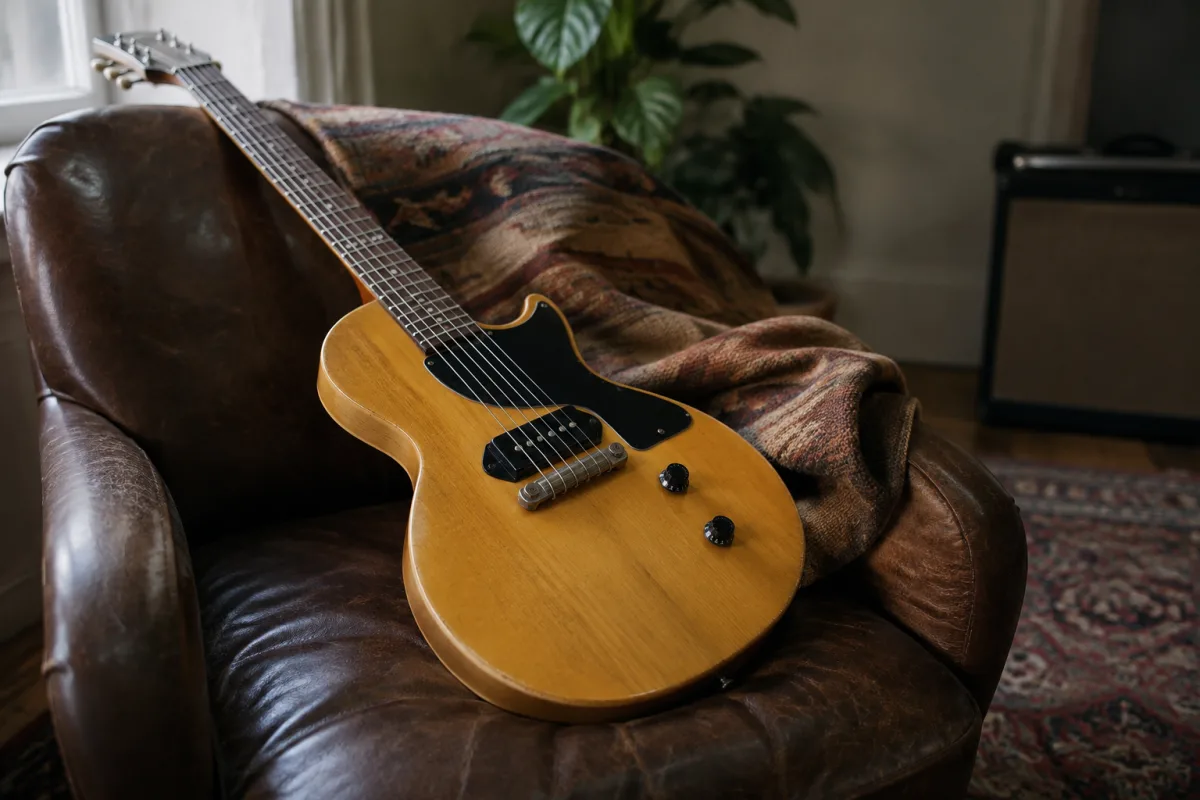
The Gibson Les Paul Junior represents one of electric guitar's most iconic and influential designs. Originally introduced in 1954, this single-pickup powerhouse has shaped rock, punk, and metal for seven decades. The Junior's unpretentious design, affordability compared to standard Les Pauls, and legendary tone have made it a favourite of studio musicians and touring professionals worldwide. This guide explores everything you need to know about the LP Junior guitar, its history, specifications and why it remains a vital choice for serious guitarists.
The History and Legacy of LP Junior Guitars
Gibson created the LP Junior guitar as a more accessible entry to the Les Paul line during the 1950s. With a single P-90 pickup instead of the standard two-pickup configuration, the Junior offered pure, unfiltered tone at a lower price point. Early adopters including blues and rock pioneers quickly recognised the instrument's potential.
The LP Junior guitar gained cult status through its use by artists ranging from Eddie Cochran and Link Wray in the 1950s to modern practitioners like Joe Satriani and Billie Joe Armstrong. Its simplicity — one volume knob, one tone knob — forced players to master dynamics through pick attack and amp settings, developing finger technique that remains at the heart of great playing.
Single Pickup Design: The Heart of the LP Junior Guitar
The LP Junior guitar features a single P-90 pickup, a wide soap-bar style design that delivers bold, woody tone unlike the narrower humbucking pickups of standard Les Pauls. This single-pickup configuration offers several advantages. The tonal character remains consistent across the entire neck without toggle switching between pickups.
The P-90 in an LP Junior guitar produces warm midrange, articulate high-end and natural breakup with overdrive. The pickup's relatively low output compared to modern humbuckers encourages players to drive their amplifiers naturally rather than relying on boost pedals, creating the dynamic, responsive tone characteristic of classic rock records.
Construction and Materials
A genuine LP Junior guitar features a solid mahogany body and one-piece mahogany neck with a rosewood fingerboard. Mahogany construction provides warmth and resonance that defines the Gibson tone. The body thickness, while not as heavy as a standard Les Paul, still provides substantial weight and sustain.
Modern LP Junior guitars typically feature a 24-3/4-inch scale length and slim-taper neck profile, more comfortable for players with smaller hands or those preferring faster access to upper frets. The instrument weighs considerably less than a full-spec Les Paul Standard, making it more practical for touring musicians.
Variants and Modern Versions
Gibson offers several LP Junior guitar versions. The Standard model represents the classic design with traditional finishes and vintage-spec electronics. The Modern version updates the design with contemporary comfort features and modern pickups whilst maintaining the aesthetic.
The Vintage Reissue faithfully reproduces early 1950s specifications, including finish options and original-spec hardware. For budget-conscious players, Epiphone produces LP Junior guitars featuring plywood bodies and modern construction, delivering authentic tone at a fraction of the Gibson price.
Tone and Playability Characteristics
An LP Junior guitar responds directly to playing dynamics. Light picking produces clean, articulate tone; firm picking generates natural overdrive even through a clean amplifier. This responsiveness makes the LP Junior guitar ideal for blues, where touch articulation communicates emotion and phrasing.
The instrument's solid construction provides excellent sustain and resonance. Single-note lines sing clearly, chords sustain with natural compression, and feedback is controllable and musical. These characteristics have made LP Junior guitars studio favourites for decades, appearing on countless classic recordings.
Electronics and Modifications
The LP Junior guitar's simple electronics — one P-90 pickup, one volume control, one tone control — invite customisation. Many players swap the original P-90 for vintage-voiced alternatives, upgrade to quality potentiometers and capacitors, or add a pickup selector switch for doubled versatility without changing the instrument's visual character.
Original specifications emphasise simplicity. A quality LP Junior guitar sounds better through good equipment than complex electronics ever could. This philosophy encourages players to develop technique and invest in quality amplifiers rather than relying on onboard processing.
Price and Value
A new Gibson LP Junior guitar typically costs £1,800–2,500, positioning it as an affordable entry to the Les Paul family compared to £3,500+ Standard models. Epiphone LP Junior guitars range from £400–700, offering authentic single-pickup Les Paul character at budget-friendly prices.
Used LP Junior guitars from the 1980s and 1990s often provide exceptional value, with vintage models at auction reaching premium prices due to their desirability. A solid used model represents wise investment for players seeking authentic tone and genuine playability.
The LP Junior Guitar for Different Musical Styles
The LP Junior guitar excels across multiple genres. Bluesy players appreciate its responsive dynamics and natural compression. Punk and rock musicians favour its aggressive tone and straightforward design. Modern metal players often choose LP Junior guitars for their thick, woody midrange and single-pickup purity.
Session musicians appreciate the LP Junior guitar's reliability and consistent tone across different studios and performance venues. Its simplicity means fewer potential failure points compared to complex instruments, making it ideal for touring professionals.
Conclusion
The LP Junior guitar represents honest instrument design and timeless tone. Whether you choose a vintage Gibson model, a modern reissue or an affordable Epiphone version, an LP Junior guitar develops finger technique and musical sensitivity through its responsive, direct design. The instrument's decades of use by legendary players, combined with genuine playability and authentic single-pickup tone, ensure the LP Junior guitar remains a vital choice for guitarists seeking substance over complications.


Comments