


Jaguar Short Scale article
Jaguar Short Scale for Beginners: A Complete Guide
Jaguar short-scale guitars offer a distinctive look and unique tone. This guide explains what makes them different, who should consider them, and practical tips for your first short-scale Jaguar.
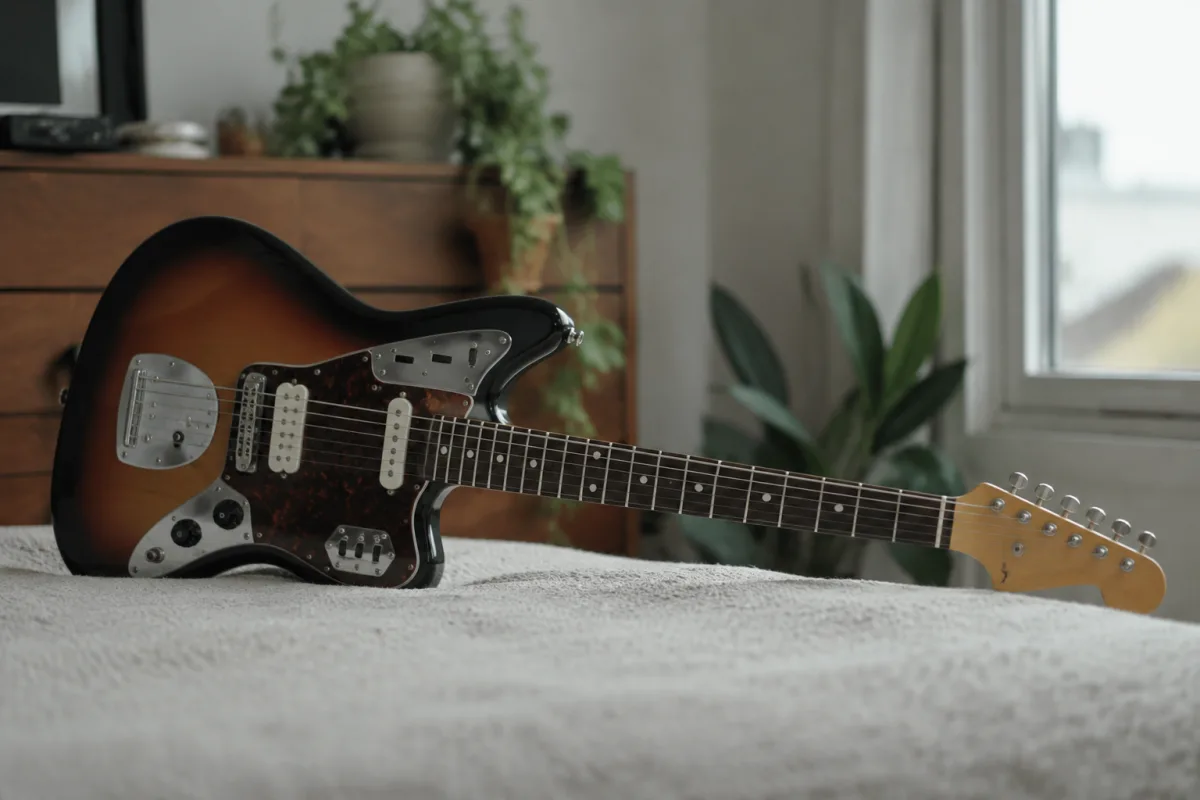
You're considering a Jaguar short scale guitar as your first electric guitar. Maybe you have smaller hands. Maybe you've heard Jaguars sound great for indie and alternative music. Maybe you just like how they look. Whatever brought you here, you need to understand what makes a jaguar short scale different and whether it's right for you as a beginner. This guide covers the essentials without the gear-head jargon.
Understanding the Jaguar Short Scale Concept
First, the basics: a jaguar short scale is a Fender Jaguar guitar with a shorter neck length than the traditional Fender Jaguar. Standard Fender guitars have a 25.5-inch scale. A short-scale jaguar typically measures 24 inches or slightly longer. This one-and-a-half-inch difference might sound trivial, but it changes how the guitar feels and plays.
Why does this matter? Shorter scale length means closer fret spacing, less finger stretch between frets, and a more compact overall instrument. For beginners with small hands, or for anyone who finds a standard-scale guitar fatiguing, a jaguar short scale can be a game-changer.
Why Beginners Consider Short-Scale Jaguars
A few reasons make the jaguar short scale appealing to beginners:
- Comfort: Smaller hands find a jaguar short scale dramatically more comfortable. You reach frets more easily and form chords with less strain.
- Distinctive tone: Jaguars have unique pickups and wiring that create a bright, snappy tone—different from Stratocasters or Telecasters. Some beginners are drawn to this character.
- Aesthetic appeal: Jaguars have striking, angular designs. If you love how they look, you'll want to practice more—motivation matters.
- Indie/alternative heritage: If you're inspired by indie rock or alternative bands, many used Jaguars. You want to learn on the "real thing."
Jaguar Short Scale vs. Standard Scale: Real Differences
Understanding the practical differences helps you decide if a jaguar short scale suits you:
- Playability: Shorter scale means less finger stretch. If standard guitars cause you hand fatigue after 30 minutes, a jaguar short scale might solve that problem completely.
- Tone: Scale length subtly affects tone. A shorter-scale jaguar produces slightly warmer, less "punchy" tone than a standard-scale Jaguar. It's noticeable but not drastic.
- String tension: Shorter scale means less string tension at standard tuning. Some players find this easier on the fingers; others prefer the resistance of standard tension.
- Resale value: Short-scale Jaguars are less common than standard ones. You might find a unique instrument, but resale options are more limited.
Cost Considerations for a Beginner Jaguar Short Scale
A new short-scale jaguar from Fender costs between £500 and £800. This is mid-to-high range for beginner electrics. Used models might cost £300-500 if well-maintained.
This isn't a bargain-basement guitar. Before investing, consider whether short scale is genuinely your need or just an aesthetic preference. If you have normal-sized hands, a standard-scale instrument might serve you better long-term.
Common Beginner Mistakes with Jaguar Short Scale
Watch for these pitfalls:
- Buying short-scale for wrong reasons: If you want a Jaguar because you love the sound or look, a standard-scale model might be smarter. Buy short-scale for comfort, not just aesthetics.
- Skipping the feel test: If possible, hold a jaguar short scale before buying. Does it feel balanced? Can you access the higher frets easily? Physical fit is personal.
- Underestimating the learning curve: Jaguars have unique wiring and controls. If you get a short-scale jaguar as your very first guitar, factor in time learning the quirks.
- Assuming short-scale is easier for beginners: It's easier for people with small hands. For normal hands, standard scale is often better. Choose based on your hand size, not assumptions.
- Neglecting setup quality: A poorly set-up jaguar short scale will frustrate you. Budget for professional setup when you buy.
Setting Up Your Jaguar Short Scale
When your jaguar short scale arrives, a few essentials prepare it properly:
- Professional setup: Have a technician check action, intonation, and truss rod. A good setup transforms playability.
- Understand the controls: Jaguars have more switches than typical guitars. Spend time learning what each does. You'll discover tonal options other guitars don't have.
- String choice: Short scale calls for slightly lighter-gauge strings than standard. Confirm your jaguar short scale is strung appropriately.
- Protect it: Get a quality gig bag at minimum, a hardcase ideally. Jaguars are more valuable than entry-level guitars and deserve protection.
Learning on a Jaguar Short Scale
Your first weeks matter. Focus on basics: chord shapes, scales, simple songs. Don't get distracted by the Jaguar's tonal options and switches until you're comfortable with fundamentals. The instrument won't teach you better—it'll just let you practice longer without hand fatigue if you have small hands.
Jaguar Short Scale as Your Only Guitar
Can a jaguar short scale be your only guitar for years? Yes, if it suits your hand size and plays well. Jaguars are legitimate instruments used professionally. You won't outgrow it quickly. Many players who started on short-scale Jaguars still play them years later.
For comprehensive details on Jaguar models and short-scale options, see the complete guide to Jaguar short-scale guitars.
Making Your Decision with Confidence
A jaguar short scale is an excellent beginner guitar if it solves a real problem—hand size or comfort. It's distinctive, well-built, and offers unique tonal options. If you're buying it purely for aesthetics or because a band you like uses one, a standard-scale Jaguar might be wiser. Either way, choose based on how it feels in your hands, not on assumption. That's the real test of any guitar.



Comments