
Hollow Body Electric article
The Complete Guide to Hollow Body Electric
Hollow body electric guitars deliver warmth and acoustic resonance unmatched by solid-body designs, though they require careful feedback management. Perfect for jazz, blues, and character-seeking players.
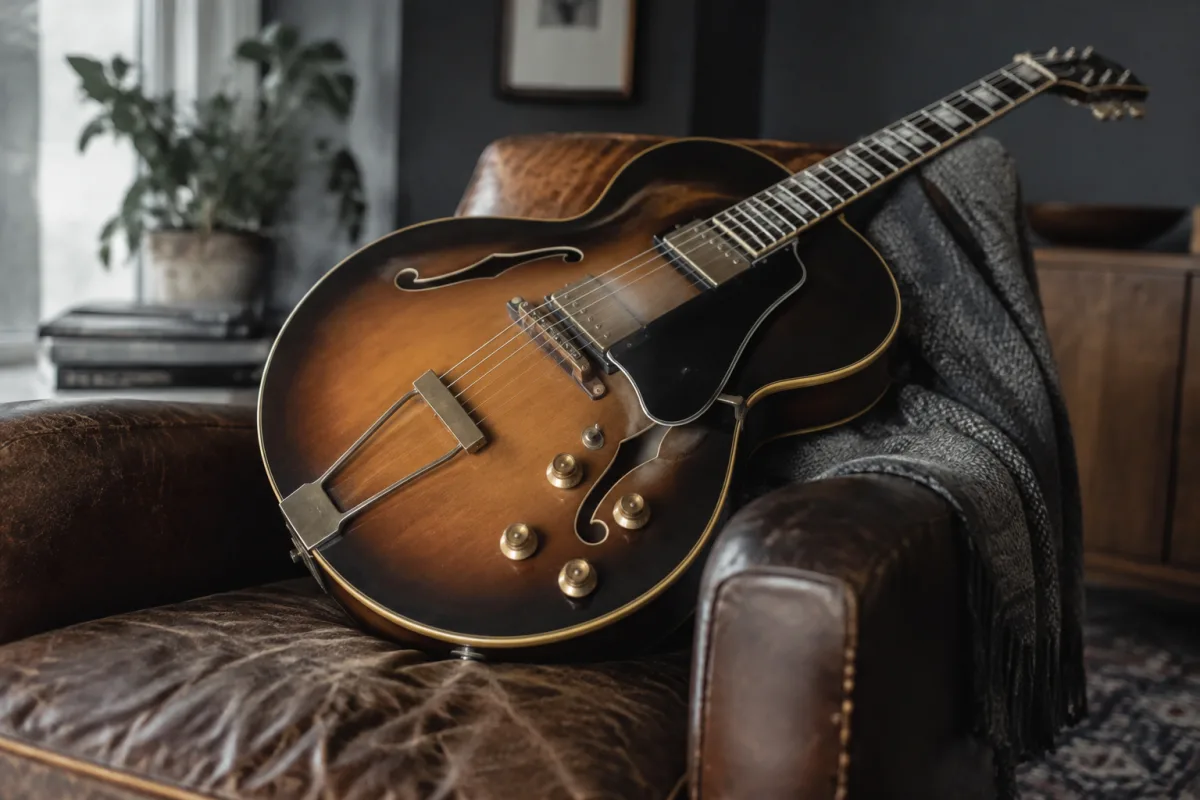
The hollow body electric guitar remains a captivating choice for musicians seeking maximum acoustic resonance combined with electric amplification capabilities. Unlike semi-hollow instruments with solid centre blocks, a fully hollow body electric features chambers throughout its construction, allowing air resonance that produces warm, woody tones reminiscent of acoustic guitars yet delivering the amplified presence and sustain required for modern electric contexts. Jazz players, blues musicians, and rock artists drawn to vintage aesthetics all discover in hollow body electric instruments remarkable tonal depth and character that solid-body designs cannot replicate—at the cost of increased feedback challenges and more demanding feedback management techniques.
Understanding Hollow Body Electric Characteristics
A hollow body electric guitar features completely hollow internal construction throughout its body, typically with upper and lower bout chambers separated by an internal block or bracing structure, and frontal soundhole (or dual soundholes) allowing air resonance. This design philosophy prioritises acoustic tone production, with amplification serving to capture and project those naturally resonant tones rather than generating tone through electronic means. The hollow body electric consequently produces warmth and complexity that appeal to players seeking organic, woody character alongside electric convenience.
The acoustic properties of hollow body electric instruments mean they produce volume and tone even when played without amplification—unique amongst electric guitars. This unplugged playability encourages musical expression without pressure for instant amplification, making them genuinely responsive instruments for intimate practising and bedroom creativity. The downside accompanies this advantage: hollow body electric guitars prove considerably more prone to feedback at higher volumes and gain settings, requiring careful management through technique, amplifier positioning, and tone sculpting.
Tonal Characteristics and Advantages
The distinctive tonal character of a hollow body electric guitar represents its primary appeal and justifies its popularity amongst discerning musicians. Warmth permeates the entire frequency range—upper strings ring with harmonic shimmer whilst bass notes bloom with woody richness, producing a tonal palette far more complex than typical solid-body instruments. This complexity manifests especially through single-note work and melodic playing, where overtone resonance creates singing quality that seems to soar naturally above rhythm accompaniment.
Jazz musicians particularly favour hollow body electric designs because the instruments' natural bloom and harmonic complexity complement complex chord voicings and nuanced expression. Blues players discover the warmth and responsiveness ideal for vocal-like bending and soulful phrasing. Even rock musicians, despite feedback challenges, continue employing hollow body electric guitars because the tonal character provides distinctive sonic signature difficult to replicate with alternative designs. The compromise inherent in hollow body electric playing—accepting feedback limitations whilst pursuing superior unplugged tone—appeals to players valuing character over convenience.
Feedback Management in Hollow Body Electric Guitars
| Feedback Management Strategy | Effectiveness and Implementation |
|---|---|
| Amplifier Positioning | Angle amplifier away from the guitar's soundhole to minimise feedback loop formation; experimentation determines optimal placement |
| Gain and Volume Balance | Lower amplifier gain slightly; use volume pedal for dynamic control, reducing feedback tendency at rest |
| EQ Shaping | Reduce frequencies generating feedback (typically around 200-300 Hz); use tone controls to minimise problematic resonances |
| Playing Technique | Increase body contact against torso; reduce amplifier volume slightly for sustain passages; use muting techniques |
| Hardware Modifications | Fit feedback suppressors; increase bridge mass; dampen internal chambers with strategic absorption |
Managing feedback represents the primary challenge with hollow body electric guitars, particularly at volume or high gain settings. Amplifier positioning proves crucial—placing your amplifier behind you and angling it away from the guitar's soundholes prevents coupling that generates feedback loops. Reducing amplifier gain and keeping volume at working levels rather than maximum minimises feedback susceptibility. Playing technique matters substantially: keeping the guitar's body pressed firmly against your torso dampens resonance that might otherwise feed back, and using muting techniques during sustain passages prevents runaway feedback development.
Construction and Materials
Quality hollow body electric guitars employ carefully selected tonewoods and construction methods prioritising tonal warmth and acoustic resonance. Laminated spruce or maple tops paired with maple back and side construction represent typical specifications, chosen for their tonal properties and structural stability. The bracing pattern inside the body dramatically influences tonal character and feedback susceptibility—conservative, light bracing maximises acoustic resonance but increases feedback, whilst more complex bracing provides feedback control at slight acoustic cost. Experienced makers balance these competing demands through thoughtful bracing geometry that provides working instruments for contemporary contexts.
Electronic specifications matter less than with solid-body instruments because acoustic properties dominate tone production. Quality humbucker pickups prove sufficient, though some players prefer single-coil designs for maximum acoustic presence. The guitar's wooden construction and cavity resonance provide amplified sound far more than electronic components do—a distinction from solid-body designs where electronics substantially control final tone.
Comparing Hollow Body Electric to Alternatives
Semi-hollow body electric instruments (featuring centre blocks) provide reasonable middle ground between acoustic warmth and feedback control, making them practical for higher-volume contexts. Completely hollow body electric guitars sacrifice feedback convenience for maximum tonal character, appealing to musicians prioritising sound over practical amplification hassles. Fully acoustic guitars with electromagnetic pickups offer acoustic authenticity but greater feedback challenges. Solid-body electrics provide maximum feedback control and volume capability but sacrifice the natural acoustic resonance that defines hollow body electric character.
Genre Applications and Playing Contexts
Jazz remains the quintessential context for hollow body electric guitars, with legendary instruments like the Gibson L-5 and Epiphone Emperor establishing the category's reputation. Blues musicians employ hollow body electric designs for warm, expressive tones through thick tone production and dynamic responsiveness. Rhythm-and-blues, soul, and funk players value the instruments' warmth and percussive response for funk rhythm work. Contemporary rock musicians continue using hollow body electric guitars despite feedback challenges, pursuing the tonal distinctiveness that amplified acoustic warmth provides—a sonic signature immediately recognisable and irreplaceable through alternative designs.
Maintenance Considerations
Hollow body electric guitars demand slightly more careful environmental management than solid-body instruments. The extensive wooden chambers make them susceptible to wood movement with humidity fluctuations, potentially causing tonal changes or structural issues in extreme conditions. Storing hollow body electric guitars in stable temperature and humidity environments, using cases or gig bags that provide environmental protection, and periodically checking structural integrity ensures longevity. The internal bracing isn't easily accessible for repair, making preventive care especially important for long-term instrument health.
Conclusion
Hollow body electric guitars represent a genuine philosophy of instrument design—prioritising acoustic warmth and complex tonality over feedback-free practicality. Musicians choosing these instruments consciously accept feedback management responsibilities whilst gaining access to distinctive tonal character and unplugged playability unmatched by alternative designs. For jazz players, blues musicians, and rock artists seeking warmth and complexity, hollow body electric guitars deliver rewarding creative possibilities that justify their practical limitations. The category encompasses legendary instruments cherished for generations, and contemporary examples continue attracting discerning players who value authentic, responsive tone above convenience. Whether pursuing vintage character or simply seeking maximum acoustic presence, hollow body electric guitars offer tangible sonic rewards that inspire musical expression and creative exploration.


Comments