
Guitar Semi Hollow Electric article
The Complete Guide to Guitar Semi Hollow Electric
Semi-hollow body electric guitars deliver warmth and character. Explore how hybrid designs create versatile tones from intimate jazz to powerful rock.
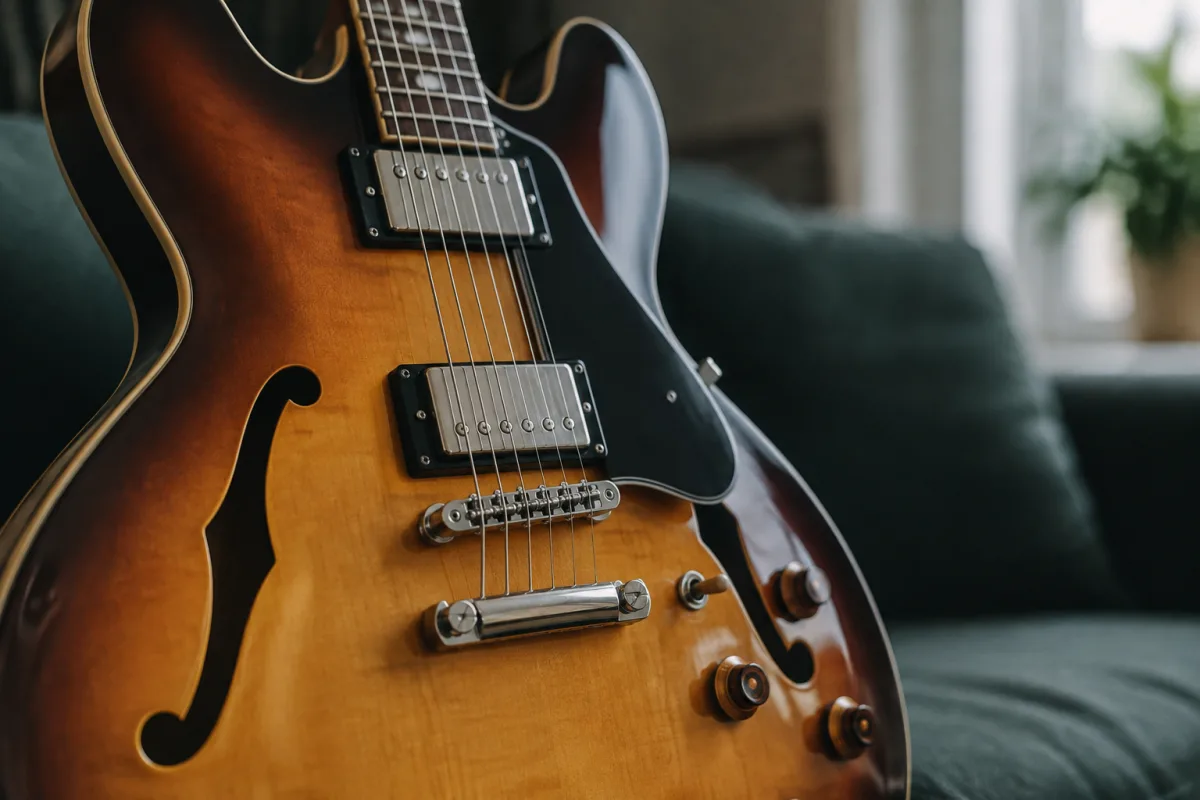
Semi-hollow body electric guitars occupy a unique space between solid-body and fully acoustic instruments, delivering a tonal character that's captured the imagination of musicians across jazz, blues, rock and indie genres for decades. The semi-hollow electric guitar combines the warmth and resonance of an acoustic body with the sustain, feedback control and playability of a solid-body electric. Whether you're exploring jazz standards, recording indie rock or simply seeking a guitar with character, understanding semi-hollow electric guitars helps you choose an instrument that matches your musical voice.
How Semi-Hollow Body Design Works
A semi-hollow body electric guitar features a partially hollow wooden body with a solid centre block running through the middle—the block prevents feedback whilst the surrounding cavity resonates with the strings' vibrations. This combination produces a warmer, more resonant tone than a solid-body electric, whilst remaining far more feedback-resistant than a fully hollow archtop guitar.
The semi-hollow electric guitar design emerged in the 1950s, pioneered by manufacturers seeking a middle ground. Semi-hollow designs work beautifully at any volume, from intimate fingerpicking to cranked amplifiers. The acoustic resonance adds character and complexity to clean tones, whilst the solid centre block provides the sustain and stability essential for high-gain playing.
The f-holes or sound holes on the upper bout of a semi-hollow body electric serve partly as aesthetic styling and partly for acoustically coupling the internal cavity to the outside air. Some semi-hollow designs feature sealed cavities with no holes; these offer maximum feedback control but slightly less acoustic resonance.
Tone Characteristics of Semi-Hollow Electric Guitars
The defining characteristic of a semi-hollow body electric is its distinctive tonal personality. Compared to solid-body electrics, semi-hollow electric guitars deliver noticeably more sustain and a rounder, warmer midrange. The acoustic cavity contributes natural compression and complexity even at low volumes, making semi-hollow body electrics rewarding instruments to practise on quietly.
Clean tones through a semi-hollow body electric guitar showcase the instrument's character most clearly—the midrange shimmer and natural decay create a tone that's neither purely electric nor acoustic but genuinely hybrid. This versatility appeals to jazz musicians seeking articulate, singing tones and to alternative rock players wanting warmth alongside aggression.
When driven with overdrive or distortion, semi-hollow body electric guitars maintain impressive clarity and definition thanks to their tight centre block. High-gain players often prefer semi-hollow designs over thick, dark-sounding solid-bodies because the acoustic properties prevent the tone from becoming muddy.
Popular Semi-Hollow Electric Guitar Models
Certain semi-hollow body electric guitars have become genre-defining instruments. The Gibson ES-335, introduced in 1958, remains the archetypal semi-hollow design and appears on countless albums across jazz, blues and rock. Its 16-inch wide body, two-piece maple construction and semi-hollow cavity set the template most modern semi-hollow electrics follow.
The Fender Coronado, though less culturally dominant, represents an alternative semi-hollow approach with offset body styling. Epiphone offers more accessible semi-hollow body electric guitars, providing authentic designs at lower price points without compromising on playability or tone.
Semi-hollow body electric guitars are also available from boutique and heritage manufacturers, each interpreting the semi-hollow design with subtle variations in cavity size, wood selection and bracing. These variations produce noticeable differences in sustain, resonance and feedback characteristics.
Playability and Comfort
Semi-hollow body electric guitars typically weigh more than solid-body electrics due to their wooden cavities, though considerably less than fully hollow jazz guitars. Most players find the extra weight negligible and actually appreciate the instrument's mass and balance, which contributes to sustain and natural resonance.
The thicker body depth of most semi-hollow designs places the strings further from your body compared to thin solid-bodies. Some players require an adjustment period; others find the comfort and access to upper frets natural and intuitive. Ergonomics vary between models, so playing examples before purchasing helps ensure comfort.
Semi-hollow body electric guitars tend to balance well on a strap and sit comfortably whether sitting or standing. The wider body doesn't necessarily hinder accessibility; many semi-hollow designs feature cutaways enabling comfortable access to higher frets.
Maintenance Considerations for Semi-Hollow Guitars
The semi-hollow electric guitar requires slightly more care than solid-body instruments because the hollow cavity makes them more sensitive to temperature and humidity fluctuations. Store your semi-hollow guitar in a stable environment, avoiding extreme dryness or moisture.
Semi-hollow designs risk developing feedback problems if strings resonate the cavity at high volumes through powerful amplifiers. Most semi-hollow body electric guitars come equipped with strategies to minimise this—centre blocks, sealed cavities or internal bracing—but awareness helps you adjust playing techniques when necessary.
Regular maintenance of frets, hardware and electronics is similar to solid-body guitars. The f-holes and cavity require occasional inspection for debris or moisture accumulation. A semi-hollow body electric guitar, properly maintained, lasts a lifetime and often improves tonally with age as wood seasons.
Choosing Your Semi-Hollow Body Electric Guitar
Budget semi-hollow body electric guitars start around £200–300 for entry-level models. Mid-range semi-hollow designs from respected manufacturers cost £600–1200 and offer excellent value and playability. Premium semi-hollow body electrics, particularly vintage examples or boutique creations, can exceed £3000.
Consider your musical style when choosing a semi-hollow design. Jazz musicians often prefer traditional archtop-influenced semi-hollow guitars with warm, dark tones. Rock and alternative players might gravitate toward semi-hollow electrics with sharper tonal characteristics and higher output pickups.
Playing multiple semi-hollow body electric guitars reveals significant variation in tone and playability. Spend time with instruments before committing financially, as the semi-hollow design's character shines through in direct comparison. A semi-hollow body electric guitar chosen thoughtfully becomes a treasured voice in your musical journey.


Comments