


Gibson P90 Sg article
The Complete Guide to Gibson P90 Sg
The Gibson P90 SG combines the iconic SG body with distinctive P90 pickups, creating a guitar with genuine character, midrange aggression, and the kind of directness that cuts through any mix with attitude.
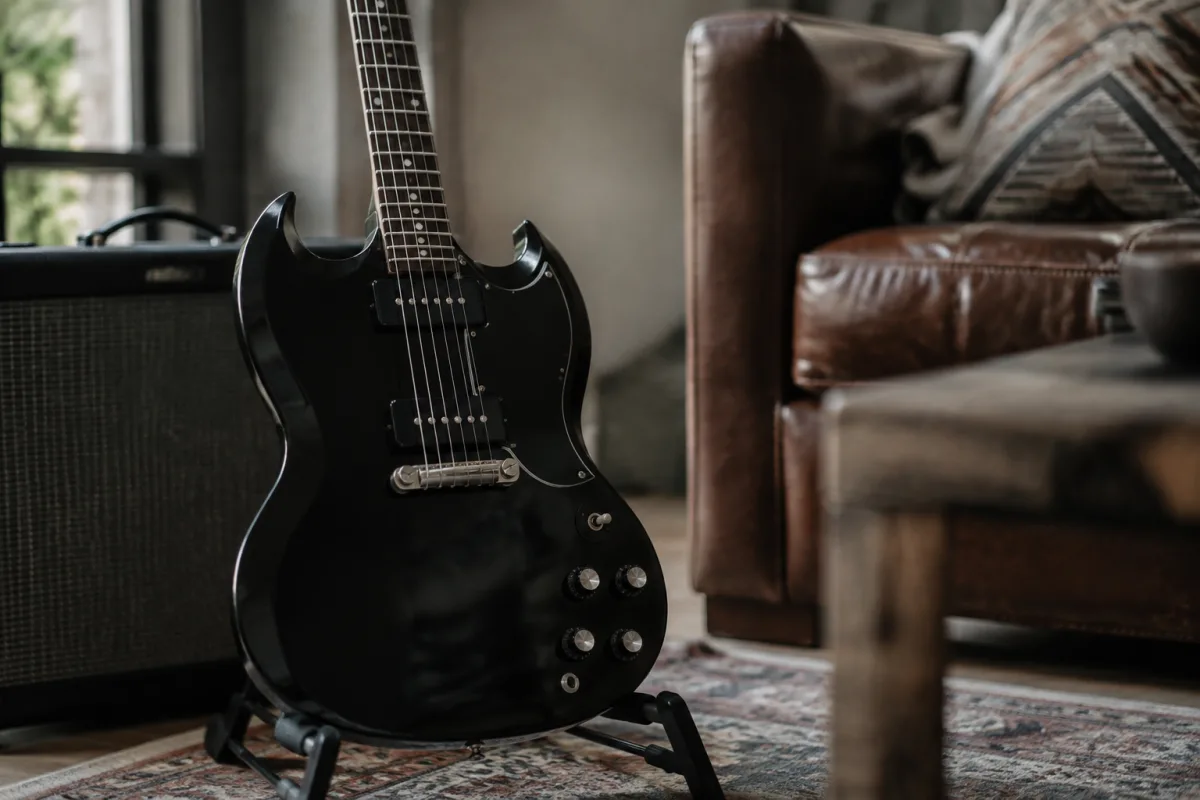
If you've ever been fascinated by a guitar that looks like it was built for rock and roll, the Gibson P90 SG is probably it. This isn't just another SG—it's a particular configuration that combines one of Gibson's most iconic guitar shapes with one of their most distinctive pickups. For players who want something with genuine personality, a guitar that refuses to blend into the background, the Gibson P90 SG offers something that modern instruments often miss: character that extends beyond marketing and into the actual sound coming out of the amplifier.
Understanding the SG Design
The Gibson SG emerged in 1961 as a replacement for the Gibson Les Paul. The initial version actually kept the Les Paul name, but the "Solid Guitar" (the meaning behind SG) distinguished itself through a thinner, lighter body that offered superior access to higher frets and a different tonal character. The horned body design—those distinctive pointed cutaways—became instantly recognisable and has remained largely unchanged for over sixty years. The SG's appeal came partly from its sleek, modernist look and partly from how it felt in your hands, lighter than a Les Paul but still substantial.
By replacing the Les Paul's traditional two-cutaway design with the single-cutaway horned body, Gibson created something visually striking. The SG's thinner body changes how the wood resonates; you get less low-end warmth than a Les Paul but more clarity and bite in the midrange. This tonal characteristic matters when considering what a P90 pickup can do with that particular voice.
The P90 Pickup: A Distinctive Voice
Gibson's P90 pickup represents something rare in modern guitar design—genuine simplicity creating genuine character. Where modern humbuckers use two coils to reject noise, the P90 relies on a single soapbar-shaped coil wrapped around an Alnico magnet. This fundamental difference gives the Gibson P90 SG something that no amount of digital modelling can quite replicate: a pickup that responds differently to guitar, player, and amplifier than almost any other option available.
P90 pickups are louder than you'd expect from their simple construction. They have a pronounced presence peak in the midrange that makes them perfect for cutting through a mix with attitude. Rather than the smooth, compressed voice of a humbucker, a Gibson P90 SG delivers a snappier, more immediate response—you hear the exact moment your pick hits the string. Plug one into a cranked amplifier and the midrange aggression becomes unmistakeable.
The trade-off is electromagnetic noise. Unlike humbuckers designed to cancel hum, P90s pick up 50Hz mains hum along with everything else. This bothered players in noisy studio environments but became part of the charm for rock musicians—a Fender Stratocaster player recognised that noise signature; it became shorthand for a particular kind of raw, unpolished tone.
Why the Gibson P90 SG Works
The marriage of the SG's body and the P90 pickup creates genuine synergy. The SG's natural bite combines perfectly with the P90's presence peak and harmonic aggression. Where a P90 Les Paul leans into bluesy warmth, a Gibson P90 SG pushes toward cuts and presence. The guitar naturally brightens compared to traditional humbucker-equipped SGs, making it ideal for genres where clarity matters: punk, garage rock, new wave, post-punk—anywhere you need the guitar to speak clearly even when the amplifier is overdriven.
The lighter body weight of an SG matters more than most people realise. Playing a Gibson P90 SG for an evening won't leave your shoulder bruised the way a Les Paul might. For a working musician playing multiple shows weekly, that matters considerably. The ergonomics suit standing and walking; the guitar feels like an extension of your body rather than something you're holding up.
Gibson P90 SG in History and Culture
The P90 and SG have appeared across decades of rock music, though rarely together until later years. Tony Iomof Black Sabbath played a Gibson SG—though with humbucker pickups—that became iconic. Angus Young famously played a Gibson SG with P90s, though his later career favoured models with humbuckers. The Gibson P90 SG configuration represents a somewhat rare combination, which means players who choose one are often deliberately seeking that specific sonic character rather than defaulting to whatever the shop has in stock.
Contemporary artists who use Gibson P90 SGs tend to come from punk, garage, and indie rock traditions where the guitar's directness and raw tone fit the aesthetic. The instrument demands playing with conviction—it doesn't smooth over sloppy technique the way a humbucker might, which makes it perfect for guitarists who value honesty over polish.
Tone and Playability Considerations
Playing a Gibson P90 SG teaches you something about your own technique. The pickup responds to hand position, pick angle, and pressure in ways humbuckers mask. You'll notice the tonal difference between playing over the neck versus playing closer to the bridge. You'll hear exactly how hard you're picking. Some players find this feedback invaluable for development; others find it unforgiving. Experiencing a Gibson P90 SG often clarifies which category you fall into.
The tonal range remains impressive despite the simplicity. Backing off the guitar's volume control gives you jangly, almost Fender-like tones. Rolling the tone control adds warmth without sacrificing the midrange presence. Pushed through a driven amplifier, the guitar achieves genuine aggression. Through a clean amplifier, clarity and articulation shine through. The Gibson P90 SG doesn't lock you into a narrow sonic palette; it offers versatility with personality.
Comparing Gibson P90 SGs to Other Configurations
A Gibson SG with humbuckers offers more hum rejection and a thicker, warmer tone. If you play in high-gain contexts or need minimal noise, the humbucker configuration might serve you better. An SG with P90s demands either tolerance for electromagnetic noise or strategic use of noise gates and careful technique. A Gibson SG with P90 pickups isn't objectively better than a humbucker version—it's simply different, optimised for different priorities.
Compared to Epiphone SG models, genuine Gibson P90 SGs command significantly higher prices. The difference reflects Gibson's manufacturing standards, hardware quality, and the consistency you can expect. However, Epiphone offers legitimate value for players building their first P90 SG-style guitar. Many contemporary players started with Epiphones and never felt the need to upgrade.
Choosing a Gibson P90 SG
If you're considering a Gibson P90 SG, budget at least £1,500–£2,000 for a new instrument from Gibson's standard line. Vintage models from the 1960s command substantially higher prices and come with the uncertainty inherent to older instruments. The finish matters—Gibson offers various options, and personal preference here is absolute. The neck profile, whether you prefer a thicker or thinner neck, deserves consideration, as does the fretboard radius.
Play one before committing if possible. A Gibson P90 SG's directness is its strength and its demand. Some players find that responsiveness liberating; others find it exhausting. Hearing your own technique reflected so honestly in the output can be uncomfortable initially. Give yourself time with the instrument before deciding whether its personality matches your needs.
Conclusion
The Gibson P90 SG represents a deliberate choice—not the safest pick for someone undecided about their priorities, but perfect for players who know they want a guitar with attitude, clarity, and genuine personality. It's an instrument that rewards playing with conviction and punishes sloppiness. For the right player, in the right genre, the Gibson P90 SG is exactly what rock guitar should sound like: honest, direct, and impossible to ignore.


Comments