
Gibson LP Junior article
The Complete Guide to Gibson Lp Junior
The Gibson LP Junior is an iconic single-pickup electric guitar delivering authentic vintage tone and straightforward playability at accessible prices. A beloved instrument among blues and rock players seeking characteristic warmth and reliability.
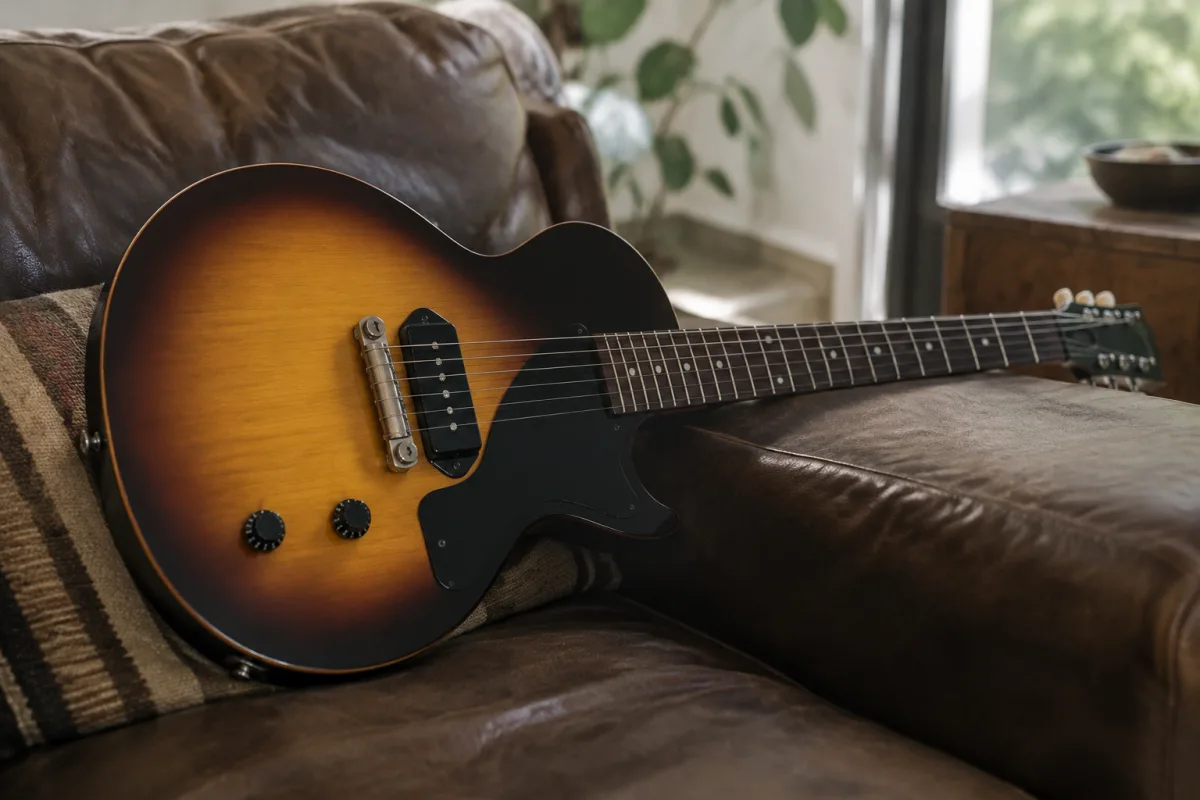
Gibson LP Junior: The Iconic Budget-Conscious Electric Guitar
The Gibson LP Junior stands as one of the most iconic and sought-after electric guitars in rock and blues history. This single-cutaway instrument has powered legendary recordings and performances for over seven decades, proving that affordability need not mean compromising on playability, tone or cultural significance. Whether you're a collector pursuing a piece of music history, a professional seeking a reliable workhorse or a player exploring classic electric guitar tones, understanding what makes the Gibson LP Junior special informs smarter purchasing and playing decisions. This guitar bridges the gap between Gibson's premium models and budget alternatives, delivering authentic craftsmanship at a more accessible price point.
History and Development of the Gibson LP Junior
Gibson introduced the Les Paul Junior in 1954 as an affordable alternative to the flagship Les Paul model. The company sought to bring the Les Paul design to players who couldn't afford premium instruments. This original Gibson model featured simplified electronics—a single pickup instead of dual pickups—and a solid mahogany body with a single-ply top. The strategy worked brilliantly; thousands of musicians discovered the Les Paul platform through the junior version, later upgrading to standard models as their careers progressed. Throughout the 1950s and 1960s, the Gibson LP Junior became a favourite among blues, rock and folk players, particularly those recording on modest budgets.
Distinctive Features of the Gibson LP Junior Design
Single P-90 Pickup
The defining characteristic of the Gibson model is its single P-90 pickup. This classic design produces a distinctive tone—warm and woody yet capable of edge and grit when pushed harder. The P-90 differs markedly from humbucking pickups found on standard Les Paul models. The tonal character attracts players seeking vintage authenticity and warm, characterful sound rather than the silkier refinement of dual humbucker configurations.
Mahogany Body and Neck
The Gibson construction utilises a solid mahogany body and neck, contributing to the instrument's warm tonal character and excellent sustain. The single-ply top (compared to multi-ply tops on premium models) reduces weight and maintains the traditional aesthetic. This solid construction explains much of why the guitar sounds so characteristic despite its simpler specification.
Simplified Electronics
A single volume control and tone control—that's it. No three-way pickup selector (since there's only one pickup), no complex switching. This simplicity appeals to players who value directness and fewer variables affecting their tone. What you see is what you get; there's elegance in that approach.
Lightweight and Comfortable
The Gibson weighs less than its premium counterparts, typically between 7 and 8 pounds. This weight makes the instrument comfortable for extended playing sessions and appeals to players touring frequently or performing long sets. The slighter weight never compromises tone quality; if anything, it contributes to quicker response and sustain characteristics.
Iconic Recordings and Players
The Gibson LP Junior appears throughout rock and blues history. Whilst specific models and recording dates vary, countless classics were tracked using this straightforward instrument. The model's association with legend isn't accidental—the guitar's simplicity, character and reliability made it the obvious choice for serious professionals working on tight budgets. Contemporary players continue discovering the appeal of owning a piece of that legacy.
Comparing the Gibson LP Junior to Alternatives
Understanding how this guitar compares to similar instruments helps buyers make informed choices:
| Aspect | Gibson LP Junior | Gibson Les Paul Standard | Epiphone SG Special |
|---|---|---|---|
| Pickup Configuration | Single P-90 | Dual Humbuckers | Dual P-90s |
| Price Range | Mid-range ($500–1200) | Premium ($2000+) | Budget-friendly ($300–600) |
| Tone Character | Warm, woody, characterful | Thick, sustain-focused | Bright, punchy |
| Weight | Light (7–8 lbs) | Heavy (9–10 lbs) | Variable |
| Best For | Blues, rock, vintage tones | All genres, professional touring | Budget players |
Tone and Playing Characteristics
The single P-90 pickup combined with solid mahogany construction creates the instrument's signature tone. At low volumes, the guitar sounds warm and woody—ideal for clean blues tones and vintage rock. Push the amplifier harder and the guitar produces satisfying grit without excessive harshness. The tone remains transparent and articulate across the volume range; dynamic playing control translates directly to tonal variation. This responsiveness explains why so many professional players favour this instrument despite its simplicity.
Vintage vs Modern Gibson LP Junior Models
Vintage original models from the 1950s–60s command high prices due to rarity, craftsmanship standards of that era and collectability. Modern Gibson reissues capture much of the original character at significantly lower cost. Modern production benefits from contemporary quality control and hardware reliability whilst maintaining the classic aesthetic. The decision between vintage and modern depends on budget, playability preferences and whether you prioritise original instruments or tonal character.
Finding and Evaluating an Gibson LP Junior
When shopping for this guitar, assess these elements:
- Pickup Condition: The P-90 pickup should sound clear and responsive. Replace original pickups showing excessive noise or dead spots.
- Fretboard Condition: Check for wear, proper crown and playability across all positions.
- Hardware Integrity: Tuning machines should hold tuning reliably; bridge and tailpiece secure.
- Body Finish: Cosmetic condition matters less than structural integrity, though finish checking or finish damage may indicate rough handling.
- Playability: Ensure comfortable action, good intonation and responsive feel across all registers.
Bottom Line
The Gibson LP Junior remains one of the most genuinely worthwhile electric guitars available at its price point. The combination of authentic design heritage, characteristic tone and reliable playability makes this instrument an excellent choice for players pursuing vintage-inspired sounds or seeking a straightforward, no-nonsense guitar without premium price tags. Whether you're drawn to its iconic status, its warm tonal character or simply its practical excellence, the Gibson LP Junior delivers authentic electric guitar experience that justifies its legendary reputation.


Comments