


Gibson Hollow Body Buying guide
Gibson Hollow Body: A Complete Buyer's Guide
Choosing the right Gibson hollow body requires understanding specifications, build quality markers, and real-world factors that affect your playing experience and investment.
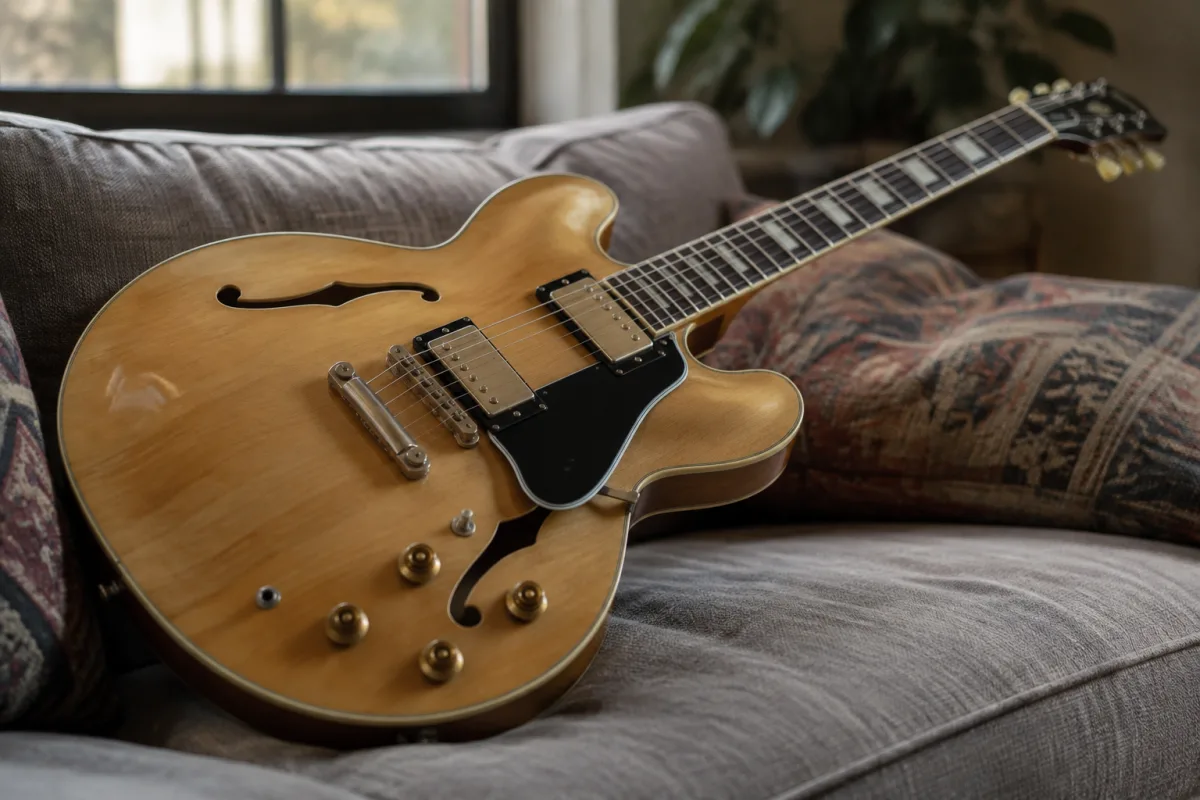
Gibson hollow body guitars are coveted by musicians across jazz, blues, and rock genres, but choosing the right model requires understanding what distinguishes one from another. Whether you're upgrading from a budget instrument or investing in a premium Gibson hollow body, this guide focuses on the practical elements that matter when making your purchase decision. We'll skip the history lessons—if you're looking for foundational information about these iconic guitars, our complete guide to Gibson hollow body guitars covers that comprehensively. Here, we concentrate on specifications, build quality markers, and the real-world factors that affect your playing experience and wallet.
Understanding Gibson Hollow Body Specifications
The specifications of a Gibson hollow body directly influence its sound character, playability, and value. When comparing models, you'll encounter variations in body dimensions, tonewood selection, and hardware quality that typically justify price differences. The body width, depth, and internal cavity volume affect resonance and feedback characteristics—wider bodies tend to produce richer low-end response, whilst narrower designs offer tighter, more focused tones suitable for controlled recording environments.
Gibson offers hollow bodies in both 16-inch and 17-inch widths across their range, with some vintage models reaching 18 inches. The wood choice matters considerably; traditional spruce tops paired with maple backs and sides represent the classic combination, though some models feature alternative tonewoods. Examine whether your candidate model features solid wood or laminate construction—solid tops typically offer superior tone development over time, whilst laminate backs and sides provide greater durability and resistance to humidity changes, a practical consideration if you play in varying climates.
What to Check When Examining a Gibson Hollow Body
Before committing to a purchase, conduct a thorough inspection covering these critical areas. Run your fingers along the fretboard for any high or low spots that cause buzzing—whilst minor fret wear is cosmetic, significant fret levelling requirements indicate previous damage or poor maintenance history. The action (string height) should feel comfortable for your playing style; Gibson hollow bodies typically suit lower actions than semi-hollow models, but excessive lowness compromises sustain and causes fret rattle under pressure.
Check the electronics meticulously. Turn each potentiometer smoothly—scratchy or intermittent volume and tone controls suggest oxidised components requiring expensive replacement. Test all switch positions (neck pickup, bridge pickup, both) and listen for crackling or loss of signal. Examine jack plate tightness; loose connections create poor audio connection and potential hum. For vintage models, original wiring and components command premium prices, but aftermarket upgrades often function more reliably.
Inspect the bridge and tailpiece hardware for corrosion or damage. Gibson hollow bodies utilise either a wooden bridge (which can be replaced relatively inexpensively) or a trapeze-style tailpiece depending on the model. The bridge should sit perpendicular to the body surface; tilted bridges indicate previous impact damage or improper setup. Look closely at finish condition—Gibson instruments often show checking and crazing (fine surface cracks) that add character but don't affect playability, though deep gouges or repair marks might indicate more substantial history.
Common Pitfalls to Avoid
Many buyers overlook practical considerations that become frustrating after purchase. Gibson hollow bodies, by nature of their construction, exhibit more feedback than solid-body instruments when played at high volumes, particularly through overdriven amplifiers. If you perform exclusively through heavily distorted tones, a semi-hollow body or solid-body might suit your needs better. However, if you appreciate the warm, responsive feedback of an acoustic-amplified experience, this characteristic becomes an asset rather than a limitation.
Humidity sensitivity presents another common oversight. Hollow body guitars expand and contract more dramatically than solid-body instruments, making them vulnerable to finish cracking and fret sprouting in dry environments. If you live in a desert climate or frequently travel with your instrument, budget for a humidifier and hardshell case. Another frequent mistake involves underestimating setup costs—if your Gibson hollow body arrives in poor playing condition, expect to invest £200–400 for professional fret levelling, bridge replacement, and electronics cleaning before achieving optimal performance.
Resist the temptation to purchase based on aesthetics alone. Beautiful finishes fade into irrelevance if the instrument's electronics are failing or the playability makes practice sessions frustrating rather than enjoyable. Similarly, brand reputation occasionally misleads—certain vintage Gibson batches suffered quality control issues, and not every Gibson commands premium sound quality. Play the specific instrument before purchasing, or ensure you can return it within a reasonable trial period.
Gibson Hollow Body Price Tiers
Understanding the market structure helps align your expectations with realistic budgets. Gibson hollow body pricing breaks into distinct categories, each offering different value propositions:
| Price Range | Typical Models | Characteristics |
|---|---|---|
| £800–1,200 | ES-339, Dot, newer ES-125 | Laminate construction, simplified electronics, adequate for beginners and intermediate players |
| £1,200–2,000 | ES-335 Standard, semi-hollow alternatives | Solid tops, improved hardware, versatile electronics, suitable for gigging musicians |
| £2,000–3,500 | ES-335 Dot, Custom Shop models | Premium tonewoods, refined hardware, superior finish quality, professional-grade instruments |
| £3,500+ | Historic Collection, Vintage originals | Meticulous attention to historical specification, investment-grade sound and build quality |
Budget models from the entry tier deliver surprising playability and functionality for the price, though tonal complexity and hardware durability lag behind premium offerings. Mid-range instruments represent the optimal value for most buyers—they incorporate the fundamental construction improvements that genuinely affect playing experience without the premium pricing of prestige models. Premium and vintage instruments appeal to professional musicians, collectors, and players for whom superior tonal characteristics justify substantial investment.
Evaluating Neck Profile and Comfort
Gibson hollow body necks vary across their range, significantly affecting comfort during extended playing sessions. Modern models typically feature "slim taper" neck profiles that suit most players, but some vintage-reissue models embrace thicker, more rounded dimensions that fatigued many players during the original production period. Request a full playing session before purchase—if possible, try the instrument plugged into an amplifier similar to your own, since hollow body tone character emerges most fully when amplified rather than played acoustically.
Pay particular attention to heel joint design and upper-fret accessibility. Gibson's traditional neck joint construction differs significantly from bolt-on alternatives, affecting not only tone transmission but also the ergonomic reach required for higher-position playing. If you regularly navigate beyond the 15th fret, this accessibility factor warrants serious consideration during your trial period.
Assessing Finish Quality and Durability
Gibson hollow bodies arrive in various finishes that differ substantially in durability and maintenance requirements. Nitrocellulose lacquer represents the traditional approach, prized for its thin application, ease of refinishing, and subtle ageing characteristics, but it scratches and reveals wear more readily than modern polyurethane finishes. Contemporary Gibson models increasingly employ polyurethane topcoats that resist damage more effectively, though they're marginally thicker and less "resonant" according to some players—though this remains debated. For a gigging musician, polyurethane offers practical advantages; for a player prioritising aesthetic character, nitro becomes the consideration. Examine any candidate instrument under strong lighting, as finish inconsistencies sometimes indicate repair work or factory defects masked by recent refinishing.
Making Your Final Decision
The ideal Gibson hollow body balances your budget, playing style, and aesthetic preferences with the practical realities of sound quality and reliability. Prioritise instruments that feel comfortable in your hands and through your amplifier over those that simply photograph attractively. A well-maintained £1,500 mid-range Gibson delivers superior real-world satisfaction compared to a poorly maintained £3,000 vintage model. If you're uncertain between specific models, investing in a trial period—renting different instruments or purchasing from retailers offering returns—clarifies your preferences without the risk of expensive purchasing mistakes.
When you've narrowed your decision to your final candidate, negotiate thoughtfully. Retailers frequently offer modest discounts on higher-priced instruments, and package deals combining the guitar with a hardshell case and professional setup often represent genuine savings. Finally, factor ongoing costs into your decision: a quality hardshell case (£150–300), periodic professional setups (£100–200 annually), and occasional hardware replacement (£50–200 as needed) should all feature in your realistic total investment consideration.


Comments