


Cool Electric Guitars article
Cool Electric Guitars for Beginners: A Complete Guide
Your first cool electric guitar should inspire you while playing well. This guide helps beginners find instruments that look great, feel comfortable, and sound good.
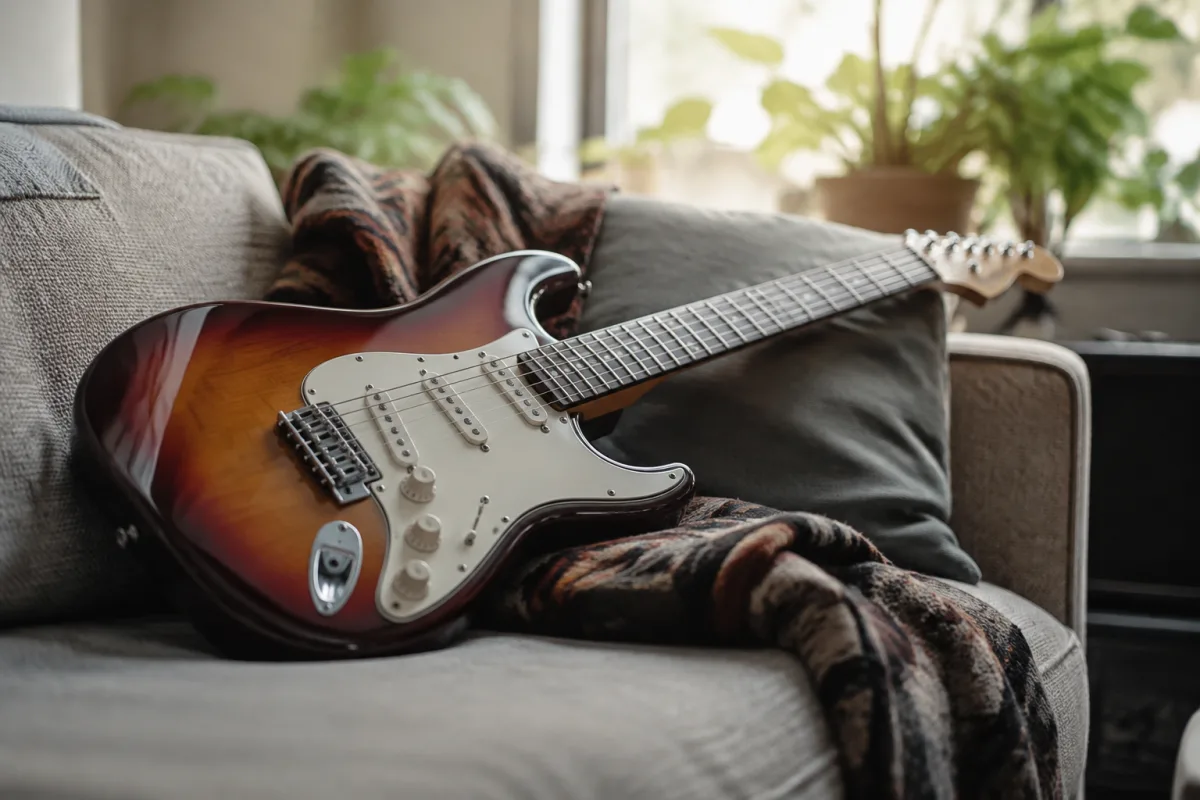
Finding Your First Cool Electric Guitar
If you're drawn to cool electric guitars—the kind that make you feel like a proper musician when you pick them up—you're in good company. Most beginner guitarists start because of how an instrument looks or sounds, not because of technical specs. That's completely valid. A cool electric guitar you're genuinely excited about is far more motivating than a boring "sensible" choice. This beginner's guide helps you find a guitar that looks great and plays well, avoiding the pitfalls that waste money or leave you with an instrument that's uncomfortable or unreliable.
What Makes a Cool Electric Guitar?
Cool is personal. For some beginners, a cool electric guitar is a classic Les Paul or Telecaster. For others, it's a bold colour, an unusual body shape, or something that matches their musical heroes. The common thread: a cool electric guitar is one that makes you want to pick it up and play. Motivation matters more than you think when you're learning.
The danger is prioritising appearance over playability. A cool electric guitar that's uncomfortable to hold or has buzzing frets will frustrate you into quitting. Balance "looks I love" with "plays decently and sounds good." This guide helps you do that.
Budget Versus Premium: Finding the Balance
Cool electric guitars range from £80 to £5,000+. A beginner doesn't need expensive. Entry-level cool electric guitars (£80–£200) deliver genuine playability from reputable brands. Squire Strats in funky colours, Epiphone Les Pauls, budget Ibanez models—these are all legitimate choices that look great and play better than you'd expect for the money.
Mid-range cool electric guitars (£200–£500) are where real value sits for beginners planning to gig or study seriously. You get noticeably better build quality, more reliable hardware, and better-quality pickups. Fender Player Series guitars, mid-range Epiphones, Schecter models—these balance cost, playability, and durability. If you're serious, this tier is smart money.
Premium cool electric guitars (£500+) are wonderful but overkill for most beginners. A £2,000 guitar doesn't help you learn faster than a £300 guitar. Save expensive instruments for later when you know exactly what you want.
Playing Comfort: The First Priority
A cool electric guitar doesn't matter if you can't play it comfortably. Before you fall in love with the look, pick it up and play. Does the neck feel right in your hand? Some guitars have thick necks, others thin. Neither is wrong, but one will feel better to you. Try several cool electric guitars and notice the difference.
Check the action—the height of strings above the fretboard. High action is exhausting and discourages beginners. Low action can cause buzzing on cheap instruments. Comfortable middle ground is achievable on most guitars, but good models come from the factory set properly. Cheap models often need adjustment.
Hold the guitar sitting down and standing up. Playing position changes everything. A cool electric guitar that looks amazing might feel awkward when you're actually playing. Get both perspectives before committing.
Sound Quality: Beyond Looks
A cool electric guitar needs to sound decent when plugged into an amp. Cheap pickups sound thin and lifeless. Mid-range pickups sound full and responsive. Plugging a guitar into an amp and playing reveals real tone—you can't judge from unplugged playing. Always test through an amp at the shop.
Listen to the sustain (how long notes ring) and the dynamics (how the sound changes when you play hard versus soft). A good guitar responds to your playing. A cheap guitar sounds the same no matter how you strike the strings.
Brand Reputation: Why It Matters
Cool electric guitars from reputable brands (Fender, Epiphone, Ibanez, Schecter, Squier) come with support. If something breaks or needs adjustment, spare parts exist and repair is straightforward. Unknown brands sometimes disappear, leaving you with no support network.
Buy from brands that back their instruments with warranty and support. You're not paying for a fancy name—you're paying for reliability and peace of mind. That matters more than you think when you're learning.
New Versus Used: Smart Shopping
Used cool electric guitars offer value, but for a beginner, new is safer. With new, you know the history, have warranty, and avoid unknown issues. A used guitar might be fine or might have a warped neck or electronics problems you can't assess without expertise.
If you do buy used, inspect carefully: sight down the neck for straightness, play every fret listening for buzzes, test all electronics, check the finish for major damage. Buy used only from reputable shops with return policies, not private sellers.
Common Beginner Mistakes
Don't buy a cool electric guitar online without trying it first. You can't assess how it feels, whether the action is comfortable, or how it sounds through an amp from photos. Online purchases should include generous return policies.
Don't assume an expensive guitar plays better than a mid-range one. A £150 Squier Strat in a colour you love will teach you just as effectively as a £800 Fender. Spend enough to get playable quality, but don't waste money on premium just for the name.
Don't ignore the amp. A cool electric guitar sounds mediocre through a cheap amplifier. You need at least a basic amp (£50–£100 used) to really hear what the guitar can do. Budget for amp as well as guitar.
Making Your Choice
Start by visiting music shops and playing as many cool electric guitars as you can. Narrow down to three models you genuinely enjoy. Then decide based on playability, comfort, and sound—not just appearance. A guitar you love playing beats one that just looks cool but feels awkward.
Don't rush. Take your time. Play each candidate multiple times if the shop allows it. This is your tool for learning—it needs to inspire you and work reliably. For more on electric guitar selection, see our complete guide to cool electric guitars.
Conclusion
Your first cool electric guitar should be one that makes you excited to play. Appearance matters for motivation, but playability and sound matter more for long-term satisfaction. Shop in person if you can, test several models, and choose based on how it feels and sounds, not just the look. A mid-range guitar from a reputable brand is smart money—it looks great, plays well, and lasts years. You're starting a journey. Choose an instrument that inspires you to pick it up every day. That's what turns casual interest into real playing.



Comments