


Tremolo Guitar Effect article
The Complete Guide to Tremolo Guitar Effect
Tremolo is one of the most iconic guitar effects, creating a rhythmic pulse that ranges from subtle to extreme. Learn how it works, how to dial in classic sounds, and when to use it.
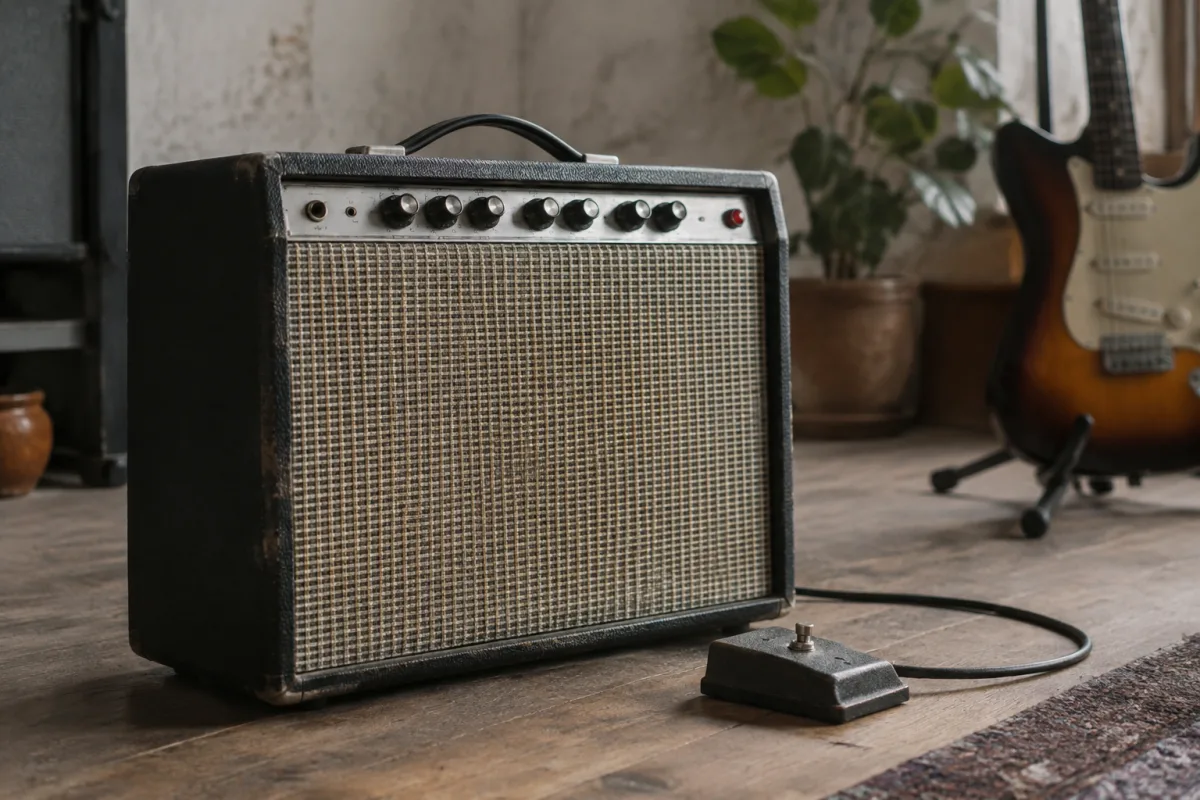
Tremolo is one of the most iconic and misunderstood guitar effects in modern music. Often confused with vibrato, a genuine tremolo guitar effect modulates the volume of your signal, creating that distinctive wavering, pulsing sound that ranges from subtle and musical to extreme and experimental. Whether you're chasing the surf rock swagger of Dick Dale, the neo-classical precision of Steve Vai, or the ambient textures of experimental guitarists, understanding how tremolo works will transform the way you craft your tone.
What Is a Tremolo Guitar Effect?
A tremolo guitar effect reduces and amplifies your signal at a regular, controllable rate, creating a rhythmic volume change. Unlike vibrato, which modulates pitch, tremolo keeps your notes at their original frequency but makes them pulse. The effect is produced by an oscillator—essentially an electronic clock—that turns your signal up and down at a steady speed, measured in Hz (cycles per second).
The classic tremolo sound became legendary through vintage tube amplifiers. Fender, in particular, built tremolo circuits into many of their iconic amp models, making the effect synonymous with 1950s and 1960s guitar culture. Today, tremolo appears everywhere from pedalboards to digital processors, and it remains one of the most satisfying effects to manipulate in real time.
How Tremolo Works: The Key Parameters
Every tremolo guitar effect shares the same basic controls, though modern pedals may label or expand on them:
- Rate (Speed): How quickly the tremolo oscillates, usually adjustable from roughly 0.5 Hz to 20 Hz. Slower rates create a gentle, almost orchestral swell; faster rates produce chop and texture.
- Depth (Intensity): How extreme the volume change is. At 0% depth, there is no effect; at 100%, the signal swings fully from silent to full volume.
- Wave Shape: The curve of the oscillation. Sine produces a smooth, musical pulse; square creates a sharp, electronic chop; triangle sits between the two.
- Volume/Mix: The output level or blend with your dry signal, ensuring you can compensate for volume drops.
Some advanced pedals add stereo tremolo, expression pedal control, or preset save slots. Understanding these four core parameters is all you need to dial in any tremolo guitar effect.
Tremolo vs Vibrato: Clearing Up the Confusion
The single biggest confusion in guitar effects is the name swap between tremolo and vibrato. Technically speaking, tremolo modulates volume (as described here), whilst vibrato modulates pitch. However, Fender—the most influential amp manufacturer—mislabelled their pitch-bending effect as "vibrato" and their volume effect as "tremolo." This backward naming stuck and persists to this day.
The upshot: most guitar players use "tremolo" to mean what engineers call volume modulation. When shopping for a tremolo guitar effect, that is what you will find. If you want pitch bending (which most call "whammy bar"), look for vibrato instead.
Iconic Tremolo Sounds and Settings
Tremolo's character changes dramatically with your settings. Here are classic starting points:
| Style | Rate (Hz) | Depth | Wave Shape | Vibe |
|---|---|---|---|---|
| Surf Rock | 4–6 | 50–75% | Sine | Classic, rolling pulse |
| Ambient/Pad | 0.5–2 | 30–50% | Sine | Gentle swell, almost imperceptible |
| Funk/Chop | 8–12 | 60–80% | Square | Percussive, rhythmic bite |
| Metal/Experimental | 10–20 | 80–100% | Square | Extreme, almost stuttering |
| Vintage Amp | 4–8 | 40–60% | Sine | Warm, natural modulation |
These are starting points, not rules. Experiment freely—tremolo rewards exploration.
Tremolo in Amplifiers vs Pedals
Tremolo appears in two main forms: built into valve amplifiers (particularly Fenders) or as a standalone effects pedal. Each has distinct character.
Amp-based tremolo is typically warmer and more organic because it modulates the signal after it has been amplified. Tube tremolo circuits add a subtle harmonic richness that solid-state alternatives sometimes struggle to match. Classic Fender amps like the Twin Reverb are prized partly for their tremolo alone.
Pedal-based tremolo is more flexible. You can dial in extreme settings, stack it with other effects, and take it anywhere. Modern digital and analogue tremolo guitar effect pedals offer far more control than vintage amps, including multiple wave shapes, expression pedal control, and stereo outputs.
Many players use both: a subtle tremolo from their amp for colour, and a pedal for dramatic swells and rhythmic chopping when needed.
Using Tremolo Musically
The most common mistake is using tremolo as a gimmick rather than a tool. The best applications are:
- Rhythmic grounding: Sync tremolo rate to your song's tempo for a locking, hypnotic effect. This works brilliantly on clean rhythms and ambient passages.
- Spatial texture: Slow, deep tremolo can make a single note bloom into something vast and ethereal, perfect for ballads and atmospheric work.
- Percussive articulation: Fast tremolo with a square wave gives rhythm guitars a snappy, finger-picked feel even when played with a pick.
- Swells and dynamics: Use the tremolo to shape note attacks and decays, sculpting the envelope of your tone in ways a volume pedal cannot.
The key is restraint. A subtle tremolo guitar effect enhances nearly every playing style; an overwhelming one will dominate your sound in ways you probably did not intend.
Choosing a Tremolo Pedal
If you decide to buy a dedicated tremolo pedal, consider these factors:
- Analogue vs digital: Analogue tremolo is warmer and more "vintage" but offers fewer options. Digital tremolo is flexible and precise.
- Wave shapes available: More wave shapes mean more creative possibilities. At minimum, look for sine and square.
- Expression control: Some pedals allow you to connect an expression pedal to modulate rate or depth in real time.
- Stereo output: Stereo tremolo can create stunning width on a stereo rig or in a studio.
- Build quality: As with all pedals, check user reviews for reliability and longevity.
Budget pedals from brands like Boss and Electro-Harmonix offer excellent value; boutique makers like Earthquaker Devices and Chase Bliss provide sonic refinement and control if you want to invest further.
Conclusion
The tremolo guitar effect remains one of the most rewarding tools in your sonic palette. Whether you favour the warm embrace of a vintage amp's tremolo or the precision of a modern pedal, understanding how to use this effect with intention will open up new dimensions of your playing. Start with subtle settings, synchronise to your song's tempo, and let the pulsing warmth of tremolo reshape how your guitar sits in a mix.



Comments