


Tremolo Arm Guitar article
The Complete Guide to Tremolo Arm Guitar
The tremolo arm is one of the most expressive features on an electric guitar, allowing players to modify pitch and create dramatic effects. Master the techniques and choose the right system for your playing style.
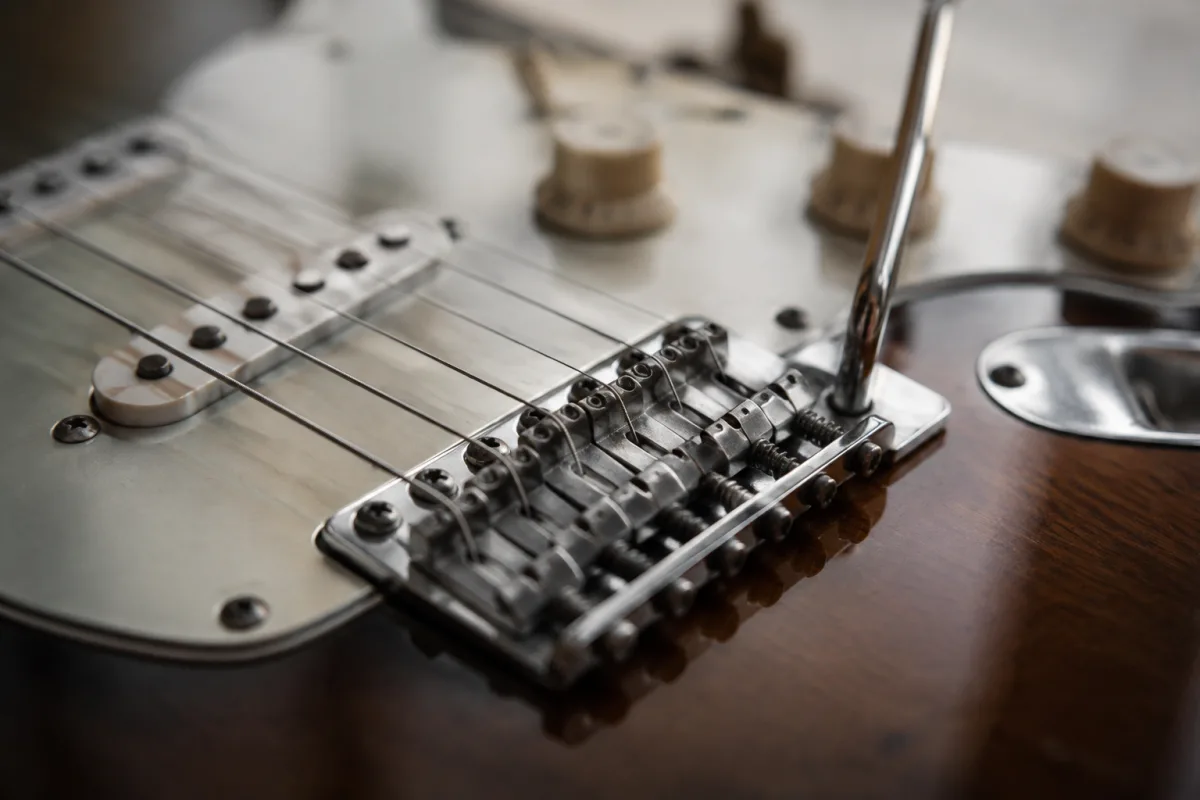
The tremolo arm guitar, also called a whammy bar or vibrato bar guitar, is one of the most expressive instruments in modern music. The tremolo arm is a lever that allows players to modify pitch in real time, creating everything from subtle vibrato to dramatic "dive bomb" effects. If you've ever heard a guitarist bend the pitch of a note in rock and metal, you've heard a tremolo arm guitar in action. Whether you're just discovering this feature or looking to master tremolo guitar techniques, understanding how the tremolo arm works and how to use it properly will unlock a whole new dimension to your playing.
What is a Tremolo Arm?
A tremolo arm is a lever attached to a guitar's vibrato system that allows players to change the pitch of notes in real time by varying the tension of the strings. Every tremolo guitar has this mechanism, whether it's a Fender Stratocaster or a Floyd Rose-equipped shredder. Despite its name (which relates to an older misunderstanding about what vibrato does), the tremolo arm is actually a pitch-modulation device. When you push down on the tremolo arm, the bridge moves, lowering the pitch; when you release it or pull up, the pitch rises again.
The mechanism consists of several components: the tailpiece assembly, bridge plate, springs, and the arm itself. These work together to allow smooth pitch changes whilst maintaining tuning stability. Modern tremolo systems vary considerably in their design, affecting how they perform and how easy they are to use.
Types of Tremolo Systems on Guitar
Not all tremolo arms are created equal. Understanding the different tremolo systems will help you choose the right tremolo guitar and know what to expect from its vibrato capabilities. Each tremolo system brings unique characteristics to a tremolo arm guitar's performance.
Fender-Style Floating Tremolo
The most common tremolo system on a tremolo arm guitar, found on Fender Stratocasters and similar guitars, uses a floating bridge held in place by spring tension. The Fender floating tremolo is the classic choice for most tremolo guitars. When you push the arm down on a guitar with this tremolo system, the springs depress and the bridge tilts, flattening the strings and lowering the pitch. This tremolo type is relatively simple, affordable, and works well for moderate vibrato use. However, it can struggle to return to perfect pitch if the springs aren't properly balanced.
Locking Tremolo Guitars
Locking tremolo systems, popularised by Floyd Rose, offer significantly better tuning stability for tremolo guitars. These use a locking nut at the headstock and a dual-locking bridge mechanism. When the tremolo arm is used extensively—especially aggressive techniques like dive bombs and flutter effects—a locking tremolo guitar keeps your instrument in tune much better than a standard floating tremolo. If you're shopping for a high-performance tremolo guitar, a locking tremolo system is an excellent choice. The trade-off is increased complexity and cost.
Bigsby-Style Tremolo
The Bigsby vibrato, found on many semi-hollow and hollow-body electric guitars, is a more subtle system. It produces a distinctive, smooth vibrato sound particularly suited to jazz, country, and vintage rock styles. The Bigsby allows moderate pitch variations but isn't designed for the extreme effects possible with Strat-style or locking systems.
Hardtail Guitars
Some guitars, particularly certain Telecasters and many modern designs, feature a hardtail bridge with no tremolo system at all. These offer absolute tuning stability but no pitch variation capability. Guitarists who don't use the tremolo arm often prefer hardtails for their rock-solid tuning.
Tremolo Arm Techniques for Guitar
Mastering the tremolo arm on your guitar opens up numerous playing techniques that add expression and drama to your sound. Whether you own a vintage tremolo guitar or a modern shredding machine with a Floyd Rose, these tremolo techniques will expand your expressive capabilities.
Vibrato
The most basic and widely used tremolo arm guitar technique is vibrato. On any tremolo guitar, after striking a note, gently rock the tremolo arm forward and back in a rhythmic motion to create a subtle pitch wavering effect. This adds warmth and emotion to sustained notes and is essential in blues, rock, and lead guitar playing with a tremolo arm. Whether you have a tremolo guitar or a non-tremolo model, understanding vibrato as a tremolo technique will enhance your overall playing. The key is keeping the movement small and controlled.
Dive Bombs
A dive bomb is an extreme downward pitch shift that creates a dramatic whooshing sound. Push the tremolo arm down quickly and fully after striking a note. This technique became iconic in metal and hard rock, particularly through players like Eddie Van Halen. It requires careful setup and maintenance to avoid losing tuning.
Flutter Effects
Flutter effects involve rapidly moving the tremolo arm whilst playing to create a shimmering, unstable pitch effect. This technique works especially well with sustained power chords or held single notes and is popular in experimental rock and metal music.
Return to Pitch
The most practical technique for everyday playing is using the tremolo arm to return a note smoothly to pitch after bending. Strike a note, bend it up with your fingers, then release the bend and use the tremolo arm to bring the pitch back down to the original note for a smooth, vocal-like effect.
Maintaining Your Tremolo Guitar
A tremolo arm on your tremolo guitar only works well when properly maintained. Regular care of your tremolo system keeps your guitar sounding and playing its best. Proper maintenance ensures that your tremolo guitar delivers consistent performance.
Keep the mechanism clean and free from dirt and debris. Springs should be checked periodically for rust or corrosion, particularly if your guitar spends time in damp environments. String tension affects the tremolo's balance; if you change string gauges significantly, you may need to adjust the spring tension inside the tremolo cavity.
If your tremolo isn't returning to pitch smoothly, check that springs are functioning properly and that the bridge plate moves freely. Occasionally tightening or loosening the spring screws (located inside the guitar's rear cavity) can make a significant difference. For locking tremolos, follow the manufacturer's instructions carefully, as they have more moving parts to maintain.
Choosing a Tremolo Guitar
When choosing a tremolo arm guitar, consider how you'll actually use it. For blues, classic rock, and traditional styles, a Fender-style floating tremolo offers plenty of expression and is easy to live with. If you plan to do extensive divebombs and extreme effects, a locking tremolo is worth the investment. For jazz or vintage-style playing, a Bigsby system provides the right character. The type of tremolo guitar you select will significantly impact your playing experience and the effects you can achieve.
Try several tremolo guitars and experiment with their tremolo systems before deciding. The feel of a tremolo arm—how much resistance it has, how smoothly it moves—varies significantly between models and affects how enjoyable it is to use regularly. Each tremolo guitar offers a different feel, so testing various tremolo arm guitars will help you find your ideal match.
Getting Started with Your Tremolo Arm Guitar
If you've just acquired a tremolo guitar and you're new to using the tremolo arm, start simply. Practice gentle vibrato on sustained notes until you develop a feel for the mechanism. Experiment with subtle pitch changes before attempting dramatic techniques. Watch your tuning carefully as you explore, and don't be discouraged if your pitch drifts—that's normal at first and improves with practice and proper setup.
The tremolo arm is one of the most rewarding features available on a modern electric guitar. Learning to master your tremolo guitar's capabilities transforms how you can express yourself through your instrument and adds a whole new vocabulary to your playing. With a bit of practice and attention to maintenance, using the tremolo arm becomes second nature, opening up countless creative possibilities that will enhance your guitar playing for years to come.



Comments