
Pedalboards for Guitar article
The Complete Guide to Pedalboards For Guitar
A well-designed pedalboard organises your effects into a unified system that enhances performance and artistic expression. Discover how to plan signal flow, select quality components, and build a pedalboard that reflects your playing style and musical goals.
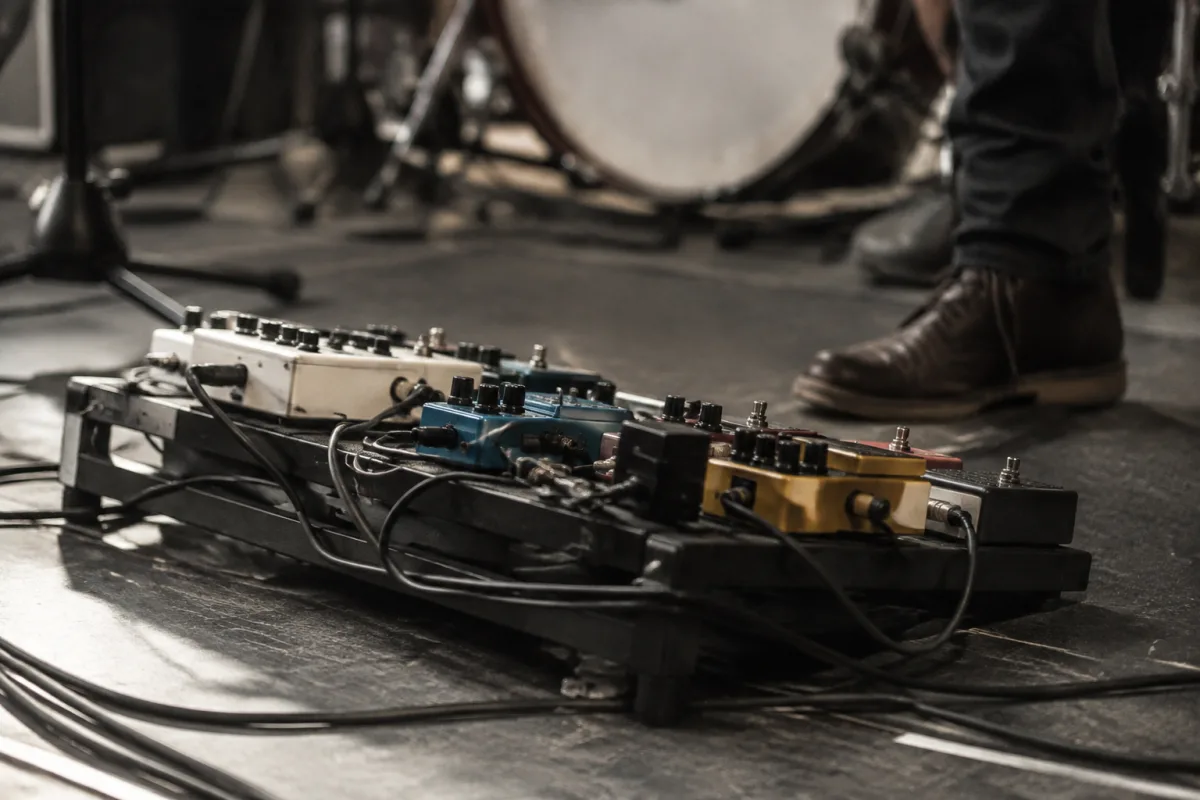
A pedalboard organises your guitar effects into a unified, portable system that transforms your tone and streamlines your signal chain. Whether you're bedroom experimenter, touring professional or session musician, a thoughtfully arranged pedalboard makes your effects accessible, organised and reliable. This guide explores everything you need to know about guitar effects boards, design approaches, popular solutions and how to build a pedalboard that matches your playing style and musical goals.
Understanding Pedalboards and Their Purpose
A pedalboard serves as the physical platform for mounting effects pedals, power supplies and expression controls. More importantly, it creates a dedicated workspace where you manage your tonal palette during performance or recording. A quality setup keeps pedals accessible, prevents tangled cables and organises your effects logically.
Beyond mere organisation, pedalboards allow rapid effect switching, expression pedal integration and comprehensive signal routing impossible with scattered effects. Professional musicians rely on pedalboards for consistency, quick troubleshooting during performance and artistic expression through real-time effect manipulation.
Types of Pedalboard Solutions
Pre-made pedalboards are manufactured units with dedicated space for specific pedal quantities. These offer convenience and aesthetic unity. Many come with integrated power distribution and signal routing, reducing setup complexity. Popular manufacturers include Pedaltrain and PT-W, offering models in various sizes.
Custom-built pedalboards use plywood or metal platforms with self-designed layouts. This approach offers complete flexibility — arrange pedals however you prefer, integrate custom artwork and optimise for your specific effects collection. Custom building requires planning and construction skills but creates genuinely personal rigs.
Small utility boards serve bedroom players or minimalists with just 2–4 pedals. These compact solutions reduce cost and footprint whilst providing essential organisation. Larger touring pedalboards accommodate 8–20+ pedals with comprehensive effect options.
Planning Your Pedalboard Layout
Successful pedalboard design begins with mapping signal flow. Effects typically follow this logical progression: tuner → compressor → overdrive/distortion → modulation (chorus, phaser, flanger) → delay → reverb. This standard order mirrors how your tone naturally builds from clean to effects-rich.
Arrange pedals logically within your pedalboard. Frequently-used effects should sit where your foot naturally reaches. Rarely-used modulation might go at the board's end. Consider cable lengths — shorter cables reduce clutter and signal degradation.
Map power requirements before purchasing. Some effects draw significant current; cheap power supplies struggle. Proper power management prevents dropout and noise.
Essential Pedalboard Components
A power supply is critical. Cheap supplies introduce noise and cause intermittent failures. Quality supplies like the Eventide or Strymon options provide isolated outputs preventing ground loop hum. Isolated supplies output different ground references for each outlet, eliminating noise from daisy-chaining power.
Quality patch cables connect pedals internally. Cheap cables introduce noise, intermittent connections and signal degradation. Invest in quality options with reliable connectors. Cable length matters — shorter cables reduce clutter and minimise noise pickup.
Expression pedals control effects parameters in real-time — volume swells, delay time changes or filter modulation. Quality expression pedals respond smoothly and reliably. Mount them securely to prevent unexpected movement during performance.
Size and Portability Considerations
Compact pedalboards (under 24 inches) suit bedroom players and minimalists. They transport easily and encourage restrained effect choices. Mid-size boards (24–36 inches) balance capacity and portability, accommodating most players' needs. Large touring boards (36+ inches) provide extensive effect capacity but demand dedicated transport.
Weight matters for touring musicians. Heavier pedalboards tax your back and create logistical challenges. Aluminium construction saves weight compared to wooden platforms.
Cable Management and Aesthetic Presentation
Organised cables look professional and prevent troubleshooting nightmares. Use velcro ties, cable clips or routing channels to manage cables neatly. Colour-coded cables help identify signal paths — input cables one colour, outputs another, expression pedals a third.
Many musicians personalise their pedalboards with artwork, LED lighting or custom finishes. These aesthetic touches transform functional platforms into distinctive visual statements reflecting your musical identity.
Practical Setup Tips
Test your pedalboard layout thoroughly before committing to permanent cable runs. Play through your entire effect set, ensuring effect combinations work and cable routing is logical. Make adjustments based on practical experience.
Label each patch cable at both ends, tracking its function. This prevents confusion during troubleshooting. Document your signal flow — a printed diagram helps when diagnosing issues or rebuilding after modifications.
Keep spare cables, patch cords and spare outlet adapters. Equipment failures happen during performance; spares prevent complete rig shutdown from minor problems.
Cost Considerations and Budget Planning
Pre-made pedalboards cost £100–£500 depending on size and construction. Quality power supplies run £50–£150. Patch cables and accessories add £50–£100. Budget accordingly — a functional pedalboard requires investment beyond effects pedals themselves.
Conclusion
A well-designed pedalboard transforms your effects collection from scattered components into a cohesive, organised system. Whether you choose pre-made solutions or custom-build your perfect platform, thoughtful layout, quality components and practical organisation ensure your pedalboard enhances your performance and artistic expression. Invest in quality construction, plan your signal flow logically and create a pedalboard reflecting your musical personality and playing style.


Comments