
Yamaha Nylon String Guitars article
The Complete Guide to Yamaha Nylon String Guitars
Yamaha classical guitars combine affordability with genuine musical quality. From student C series to professional CG models, discover which Yamaha nylon string instrument suits you.
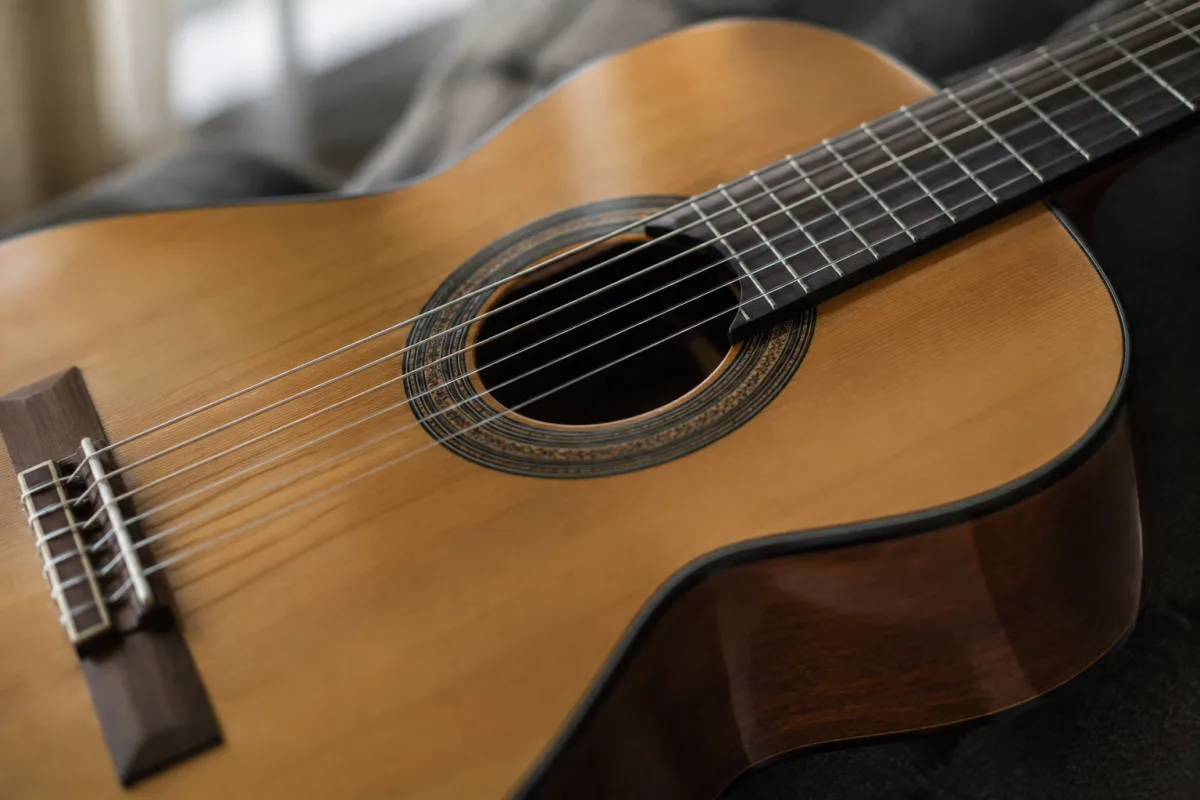
Yamaha's Nylon String Classical Guitar Heritage
Few manufacturers understand classical guitar design as deeply as Yamaha. The Japanese company entered the classical guitar market relatively late, in the 1960s, yet their classical instruments quickly established themselves as some of the finest student and professional guitars available. Today, Yamaha nylon string classical guitars remain beloved by beginners learning their first instrument and by established performers who value reliability and consistent tonal quality.
What makes Yamaha's approach distinctive is the same philosophy that guides all their instruments: build things that work reliably, sound musical from day one, and represent genuine value for money. A beginner playing a Yamaha classical guitar feels like they're playing a proper instrument, not a toy. A professional values the consistency—knowing that whatever Yamaha model they reach for will perform dependably night after night.
Understanding Yamaha's Classical Guitar Lineup
Yamaha offers classical guitars across multiple price points, each serving a distinct audience. The C series represents the company's affordable entry point—instruments suitable for beginners, students, and casual players. These guitars offer surprising quality at modest cost. The C40, C60, and C80 designations indicate roughly the price tier and feature level, with higher numbers offering better materials and construction.
Moving up, the CG series targets more serious students and advanced players. CG models feature better tonewoods, superior construction, and more refined sound. These guitars prove that you don't need to spend a fortune to get a genuinely musical classical instrument. Professional models like the CX and custom shop instruments represent the pinnacle—handcrafted guitars that rival boutique makers in quality and artistic character.
Tonewood Selection and Sound Character
Classical guitar tone depends enormously on tonewood choices. Yamaha typically uses Sitka spruce or European spruce for soundboards—the front that vibrates to project sound. The back and sides employ rosewood (Indian or Brazilian), mahogany, or sapele, each conferring different tonal characteristics. Spruce soundboards offer clarity and projection; rosewood backs and sides add warmth and sustain.
Budget Yamaha classical guitars sometimes use plywood instead of solid wood, particularly for backs and sides. Plywood is stable and affordable but produces duller, less resonant sound. Mid-range models transition to solid wood construction, dramatically improving tone. By the time you reach professional Yamaha instruments, you're working with premium selections of aged, figured tonewoods that deliver truly exceptional sound.
Construction and Craftsmanship
Yamaha's manufacturing excellence shows in every detail. The action—the height of strings above the fingerboard—is set to be playable without excessive buzzing or requiring superhuman finger strength. The fretwork is precise, with even frets that support consistent intonation up and down the neck. The neck itself is usually mahogany or other stable wood that resists warping, crucial for an instrument that'll be played for decades.
Finish quality matters more than aesthetics alone. A well-executed finish protects the wood, extends instrument life, and subtly affects tone. Yamaha applies finishes that protect without deadening the wood's vibration. Premium classical guitars receive hand-rubbed finishes that look and feel superior to mass-produced alternatives.
Nylon String Characteristics and Playability
Classical guitars use nylon strings, which feel softer on the fingers than steel strings and produce a warmer, mellower tone. Beginners often find nylon strings more forgiving than steel, since they're less painful on fingertips whilst you build calluses. The lower tension means less strain on the neck and body, allowing lighter construction without sacrificing durability.
Nylon strings break in gradually. New strings sound brittle and bright; after a few days of playing, they settle into their true tone. Humidity affects nylon strings significantly—they absorb and release moisture, causing pitch to shift with humidity changes. A stable environment (not too dry, not too humid) keeps your Yamaha classical guitar sounding consistent and prevents wood damage.
Models for Different Player Levels
Beginners need a guitar that plays comfortably, sounds musical enough to inspire practice, and won't fall apart after six months. A Yamaha C40 or C60 hits that mark perfectly—low enough price that parents aren't risking significant money, quality high enough that the student feels they're learning on a real instrument. Many music teachers recommend Yamaha for precisely these reasons.
Intermediate players benefit from CG series instruments. These guitars reward improved technique with noticeably better tone, clearer note definition, and more dynamic range. The better playability encourages more serious practice. For this audience, the CG models offer exceptional value—you're getting professional-quality instruments at student prices.
Professional players might start with higher-end CG models or explore Yamaha's premium offerings. The consistency and reliability of Yamaha manufacturing means even top-tier professionals trust these instruments for performances and recordings. The tone is distinctive—clear, articulate, and musically satisfying in every register.
Maintenance and Care for Classical Guitars
Classical guitars require more care than steel-string instruments. Keep humidity levels between 45-55%—too dry and the wood shrinks and cracks; too humid and the wood swells, potentially distorting the shape. A humidifier in your music room prevents the drastic seasonal swings that damage guitars. Inspect your Yamaha regularly for any sign of cracking or warping.
Strings should be changed every 2-4 months depending on playing frequency. Worn strings lose tonal brightness and eventually break. Clean the fingerboard gently with a soft cloth to remove oils and sweat. Occasionally polish the body with appropriate wood care products (never harsh chemicals). Store your guitar in a proper case, never propped against walls or in extreme heat or cold.
The Value Proposition
Yamaha classical guitars represent exceptional value at every price point. You're buying from a company with decades of guitar-building expertise, not a startup with questionable quality control. A Yamaha classical guitar holds its value well on the used market—if you decide this instrument isn't for you, you won't lose as much reselling as you would with a cheaper, unknown brand.
Whether you're choosing your first classical guitar or upgrading from student-level to professional, Yamaha offers an option that delivers reliable quality, musical tone, and playability. The classical guitar repertoire is vast and beautiful—give yourself the gift of an instrument worthy of the music you'll make on it.


Comments