


Yamaha Classical Nylon Guitar article
Yamaha Classical Nylon String Guitar: A Complete Guide
Yamaha classical nylon guitars combine affordability with professional quality, making them the choice of music teachers and students worldwide. From entry-level C series to advanced CG models, Yamaha delivers instruments that inspire learners and reward experienced players.
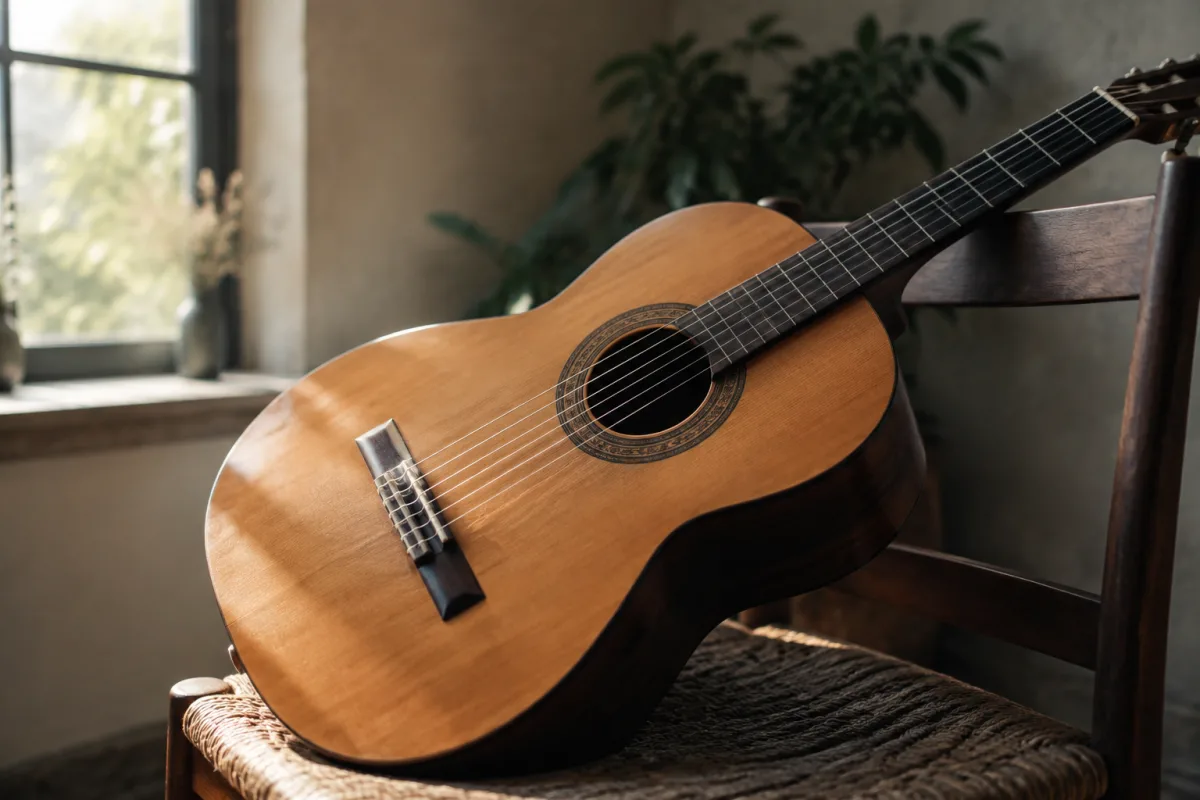
Yamaha classical nylon guitars have earned their place as one of the world's most popular entry-point and intermediate instruments, trusted by music teachers, conservatoire students and self-taught players alike. Their blend of affordable pricing, reliable construction and genuinely musical tone make Yamaha classical models accessible to anyone serious about learning classical guitar.
The Yamaha Classical Guitar Heritage
Yamaha's classical guitar division emerged in the mid-20th century, building on the company's expertise in instrument manufacturing. The Japanese maker applied precision engineering and quality control standards from piano and drum production to guitar construction, resulting in instruments that offered excellent value. Whilst boutique Spanish luthiers command prices in the thousands, a Yamaha classical nylon guitar delivers professional-quality tone at a fraction of that cost, making classical music accessible to more players worldwide.
Understanding Nylon String Construction
Classical guitars use nylon strings rather than the steel strings found on acoustic and electric models. The three highest strings are plain nylon; the three lowest are nylon wrapped with bronze or silver-plated copper wound. This construction produces the warm, mellow tone associated with classical music. A Yamaha classical nylon guitar's body is typically spruce or cedar topped, paired with mahogany, rosewood or similar woods for the back and sides. The nylon strings require less finger pressure than steel strings, making classical guitars more forgiving for beginners developing finger strength.
Yamaha's Classical Guitar Model Range
Yamaha offers several classical lines, each targeting different skill levels and budgets. The C series represents the entry level — C40, C45, C70 — offering solid construction and playable action at highly accessible prices. The CG series sits at the intermediate to advanced level, featuring superior tonewoods and craftsmanship. The SLG200N brings Yamaha's solid low Gig classical concept into the nylon world with a compact body and built-in amplification. Limited-edition and handcrafted models cater to professionals seeking boutique character at Yamaha's quality standards.
This tiered approach means players can start affordably on a C40 and upgrade to a CG Series guitar as their skills and listening standards develop, without feeling they've wasted their initial investment.
What Sets Yamaha Classical Nylon Guitars Apart
Several factors distinguish Yamaha classical nylon guitars from competitors. Quality control is consistent — every instrument leaving the factory meets Yamaha's standards for playability and tone. The company's global distribution network means availability and support exist worldwide. Used Yamaha classical models hold their value well on the secondary market. The clear, articulate tone favours both fingerstyle technique development and ensemble playing, making them ideal for students and gigging musicians.
Additionally, Yamaha's classical guitars bridge traditional lutherie values with modern manufacturing efficiency. You're not sacrificing musicality for affordability; rather, Yamaha delivers both through engineering precision.
Playability and Action
Action — the string height above the fingerboard — profoundly affects a classical guitar's playability. Factory action on Yamaha classical nylon guitars is generally set appropriately for developing players: low enough to reduce finger fatigue, high enough to prevent fret buzz. Many advanced players later have their instruments professionally set up with lower action, which demands a more robust instrument and player technique. Out of the box, a Yamaha classical guitar is playable for immediate practice and progress.
Tonal Characteristics
Yamaha classical nylon guitars are known for brightness and clarity rather than dark, woody warmth. This sonic character suits learning environments where clean note articulation helps teachers and students hear individual notes and technical precision. The balanced frequency response makes them forgiving of beginner technique mistakes whilst rewarding improvement. As players develop, the guitar's tonal response becomes more expressive, revealing depth that wasn't apparent during early learning.
Investment and Longevity
A Yamaha classical nylon guitar rarely requires significant repair or maintenance beyond occasional humidity-related adjustments and string replacement. The solid construction means it ages well — many 30-year-old Yamaha classical instruments sound and play beautifully, having actually improved with age as the wood matured. This longevity makes them sound financial sense: a £400–800 initial investment that serves for decades represents excellent value, especially considering the instrument's role in your musical journey.
Conclusion
Yamaha classical nylon guitars occupy a unique position in the musical world: instruments sufficiently affordable that beginners can start without major financial risk, yet genuinely musical enough to support players through decades of development. Whether you're a teacher equipping a classroom, a student embarking on classical training or an adult learner exploring a lifelong passion, a Yamaha classical guitar offers reliability, playability and honest musicality that justifies its enduring popularity.





Comments