
Guitar Starter Kit Electric article
The Complete Guide to Guitar Starter Kit Electric
An electric guitar starter kit bundles everything you need to begin playing. Discover how to evaluate quality, avoid pitfalls, and make a purchase you won't regret.
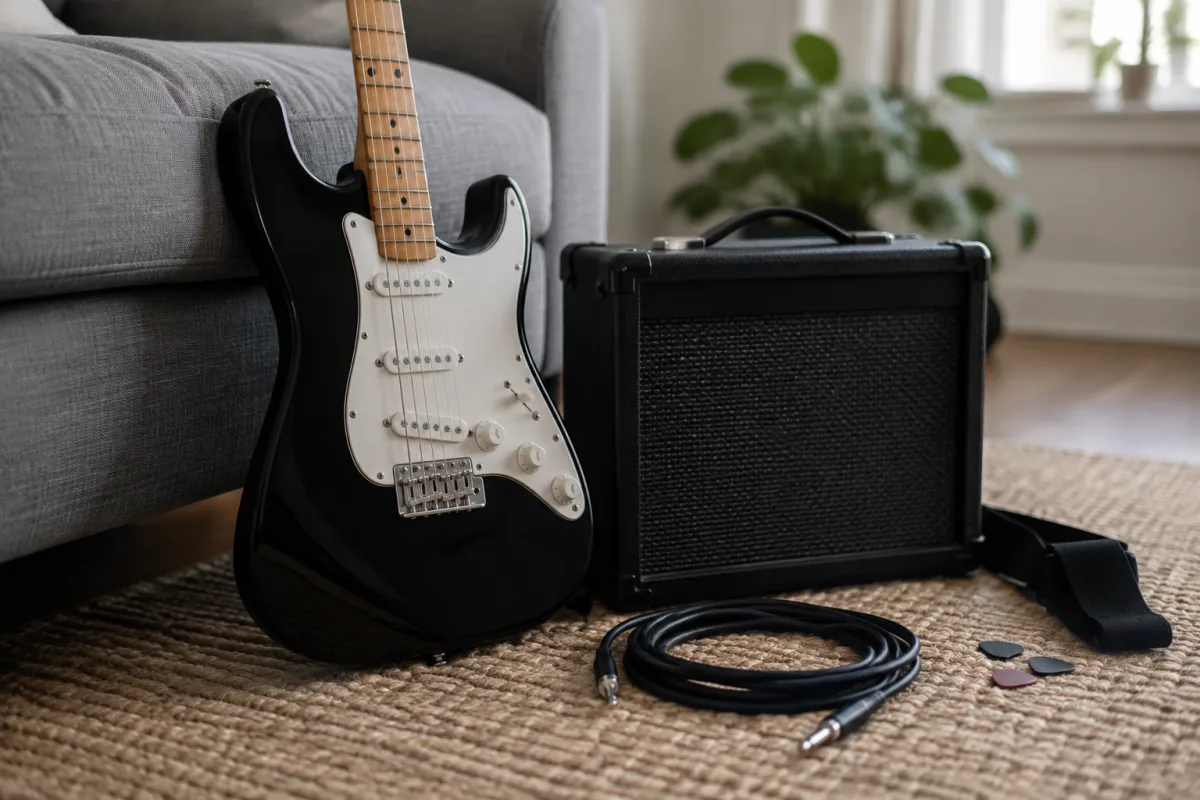
An electric guitar starter kit bundles everything a beginner needs to begin playing in one purchase—guitar, amplifier, cable, strap, and often picks and tuner. Choosing the right starter kit determines whether you develop solid playing habits and stay motivated, or struggle with poor equipment that makes progress frustrating. Understanding what matters in beginner kits and avoiding common pitfalls ensures you invest wisely in your musical journey.
What's Included in a Complete Starter Kit
A quality electric guitar starter kit contains the guitar itself—ideally a recognisable brand with proper setup—an amplifier (10–20 watts is typical), an instrument cable, a strap, picks, and often a tuner or tuning app access. Some kits add instructional materials or online lessons, further supporting your learning.
The guitar quality is most critical. Entry-level kits sometimes pair decent amps with poor-quality guitars, creating frustration as sore fingers, high action, and intonation problems discourage practice. Conversely, a quality guitar with a modest amp sets you up for success.
Evaluating Guitar Quality in Starter Kits
Play the guitar yourself if possible before purchasing. Check that the action (string height) is low enough that fretting doesn't cause excessive finger pain. High action is common in budget kits and immediately discourages beginners. Professional setup (£30–£50) can lower action significantly, transforming a playable guitar from one gathering dust.
Inspect the frets visually. Uneven frets cause buzzing and intonation issues. Run your eye along the neck—it should appear straight. Minor imperfections are normal, but excessive fret wear or neck bow creates significant playability issues in beginner instruments.
Check tuning stability. Play one string at pitch, then return to it after thirty seconds. Good guitars hold tuning closely; poor ones wander noticeably. Cheap tuning machines are a common culprit—quality machine heads cost more but are essential for reliable tuning.
Intonation matters critically. Using a tuner, check that the open strings tune properly and that fretted notes stay in tune. Pressing a fretted note several cents sharp indicates a worn nut or fretboard issue. Beginners shouldn't need to correct intonation themselves—a properly set-up starter kit guitar should play in tune.
Amplifier Considerations
Beginner amplifiers typically deliver 10–20 watts, adequate for home practising and bedroom jamming. More wattage isn't necessarily better—a 20-watt solid-state amp at reasonable volume provides sufficient headroom for practice without excessive cost.
Clean tone matters more than overdrive. Many budget amps sound thin or grainy. Listen to demonstration videos or test multiple amplifiers if possible. A warm, clean tone that sounds musical at low volumes suits learning better than aggressive distortion that masks playing errors.
Connection options should include input for your guitar and headphone output for silent practising. Some kits add auxiliary input for playback tracks or backing music, useful for jamming along to recordings.
Brands and Price Points
Reputable brands like Fender (Squier Stratocaster kits), Epiphone (Les Paul entry kits), Yamaha, and Ibanez produce quality beginner packages £250–£500. These kits typically pair decent guitars with workable amplifiers and necessary accessories.
Budget kits below £200 often sacrifice guitar quality for amplifier inclusivity, resulting in instruments requiring immediate professional setup to become playable. Conversely, premium kits above £500 sometimes include more than beginners need.
The £300–£400 range offers the best beginner value—quality guitar that plays decently out of the box paired with a serviceable amplifier and proper accessories. This price point balances investment with quality.
Common Beginner Kit Mistakes
Don't prioritise quantity of included items over quality of essentials. A kit including fifty picks, three cables, and a case sounds generous but means nothing if the guitar is unplayable. Focus on guitar and amp quality above all.
Avoid packages marketed as "all you need to rock" if the guitar quality is suspect. Professional review sites and YouTube demo videos reveal kit quality accurately. Beginner reviews highlighting playability problems are worth heeding.
Resist purchasing online without testing if possible. Guitar setup varies widely, and poor setup masquerades as poor quality. Try multiple kits in person before ordering, or purchase from retailers with generous return policies.
Getting Your Starter Kit Set Up Properly
Out-of-the-box setup varies. Some kits require immediate professional adjustment (£50–£100) to become playable. This cost is worth paying—a properly set-up starter kit plays dramatically better and motivates daily practice more effectively than an unset-up instrument.
Professional setup includes action adjustment (lowering the strings to comfortable height), intonation calibration, and truss rod evaluation. These adjustments transform beginner instruments from frustrating to enjoyable.
Request the technician explain what they adjusted and why. Understanding how setup affects playability teaches valuable knowledge for future guitar maintenance.
Beyond the Kit: Additional Investments
Budget for strings (£10–£20 per set), picks (inexpensive, buy several), a tuner (£15–£30 for reliable clip-on models), and a capo (£5–£15). These consumables and tools cost little individually but collectively support consistent practice.
Lessons—whether group classes (£50–£100 per month) or private instruction (£30–£60 per lesson)—dramatically accelerate learning and prevent developing poor technique that's hard to correct later. Many music shops offer starter lesson packages.
A stand or wall mount (£15–£40) keeps your guitar accessible and encourages regular practising. Instruments visible and easily accessible get played more frequently than those stored away.
When to Upgrade Beyond Your Starter Kit
Invest in a better guitar once you've consistently played for 6–12 months. At this point you'll know what you genuinely like and need, allowing informed upgrade decisions. Your starter kit remains a backup or practice guitar for years.
Amplifier upgrades depend on your playing environment and musical goals. A small practise amp remains useful forever; upgrade when you gig regularly or discover sonic requirements your starter amp doesn't meet.
The Bottom Line
A quality electric guitar starter kit removes barriers to beginning your musical journey. Invest in genuine beginner kits from reputable brands, prioritise guitar quality above accessory quantity, budget for professional setup if needed, and commit to consistent practising. With proper kit selection and dedicated practice, within months you'll progress from complete beginner to playing recognisable songs—the most motivating outcome for continuing your musical development.


Comments