
Fender Jazz Guitars article
The Complete Guide to Fender Jazz Guitars
Fender Jazz guitars offer semi-hollow construction, warm tonal character, and exceptional versatility across genres. Discover what makes these iconic instruments special.
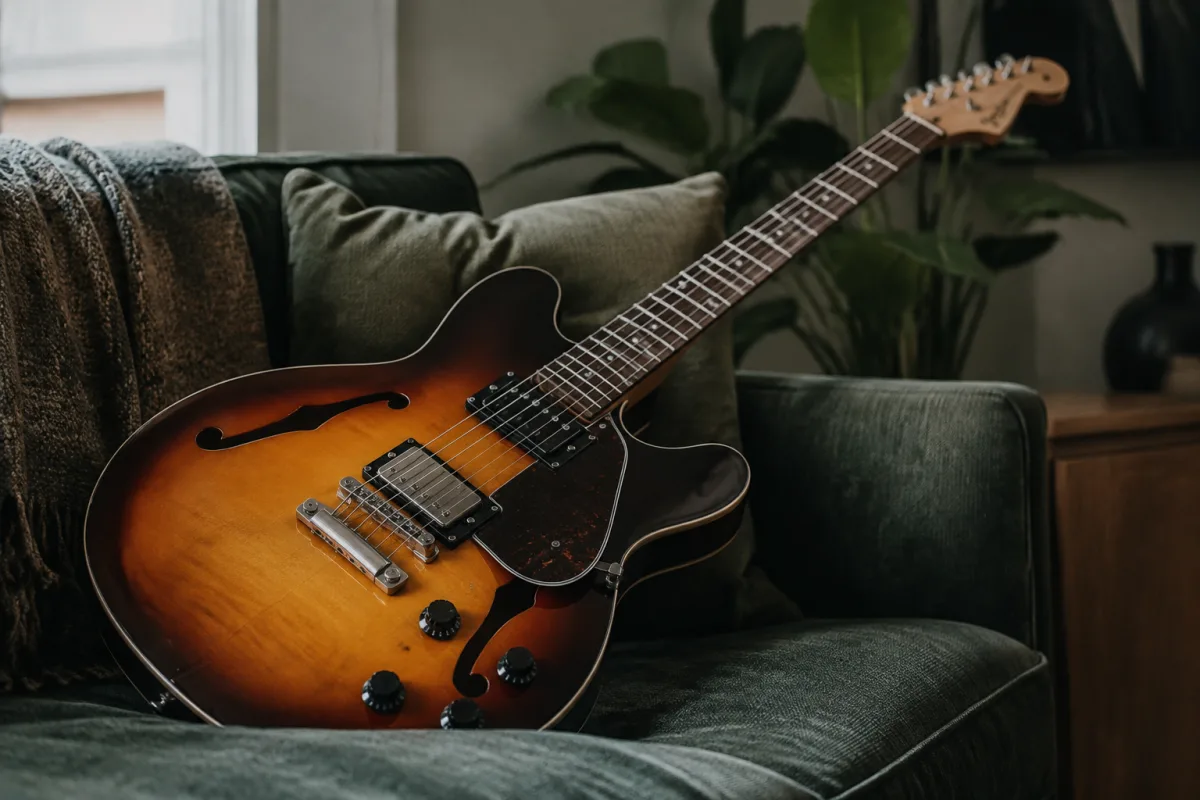
Fender Jazz guitars represent some of the most versatile and iconic instruments in modern music, equally at home in jazz ensembles, rock bands, and contemporary studios. Originally introduced as the Fender Jazzmaster in 1958, these instruments have evolved into a distinct family of designs that continue to inspire musicians across genres. Whether you're exploring semi-hollow body options or seeking an alternative to traditional solid-body electrics, understanding what makes these guitars special helps you make an informed choice.
The Fender Jazz Guitar Family
Fender Jazz guitars encompass several distinct models, each with its own character and sonic properties. The term typically refers to semi-hollow and full hollow-body electrics specifically designed to appeal to jazz musicians, though contemporary players use them across all genres. These instruments combine the warmth and resonance of acoustic construction with the playability and feedback control of electric guitars.
The family includes the Jazzmaster, a solid-body instrument with a distinctive offset waist and sophisticated electronics; the Coronado series with their beautiful semi-hollow construction; and the various thinline models that offer elegant proportions and reduced weight. Each variant brings its own sonic signature whilst maintaining the build quality and tonal characteristics that have made Fender a trusted name for over seventy years.
Tonal Characteristics
The semi-hollow and hollow construction of many Fender Jazz guitars produces a naturally warm, woody tone with inherent sustain and resonance. This acoustic component makes them particularly responsive to finger technique, allowing subtle nuances in playing style to shape the final sound. The instruments excel at clean tones, warm overdriven sounds, and bluesy textures whilst remaining articulate and defined.
The pickup configuration matters significantly. Most models feature versatile pickup arrangements that provide flexibility across gain ranges. Fender Jazz guitar pickups typically deliver a smooth, warm character that complements the hollow-body construction. Players appreciate their ability to produce everything from lush, sustaining jazz chords to cutting lead tones without the harsh feedback that can plague hollow instruments when played at higher volumes.
Construction and Materials
Quality construction distinguishes Fender Jazz guitars from entry-level alternatives. Premium models feature solid wood construction with carefully selected tonewoods—typically spruce or maple tops with mahogany or similar hardwoods for the back and sides. The bracing patterns inside the body cavity significantly influence how the instrument resonates, with experienced builders crafting chambers that enhance sustain and tonal complexity.
The neck construction varies across the range, from comfortable bolt-on designs to through-body construction in higher-end instruments. Hardware quality directly affects tuning stability and overall playability. Fender Jazz guitars typically feature quality bridge systems, tuning machines, and tailpieces that have proven their reliability through decades of professional use.
Playability and Ergonomics
One significant advantage of Fender Jazz guitars lies in their ergonomic design. The semi-hollow construction keeps weight manageable, making these instruments comfortable for extended sessions. The body depth typically ranges from 1.5 to 2 inches, providing acoustic resonance without the bulk and feedback challenges of full jazz guitars.
Neck profiles vary across the Fender lineup, allowing players to find options matching their hand size and playing style. The fingerboard radius, fret size, and nut width all influence how the instrument feels under your hands. Most Fender Jazz guitars employ comfortable, playable neck profiles that accommodate both delicate jazz articulation and more aggressive rock playing.
Versatility Across Genres
Whilst designed with jazz aesthetics in mind, Fender Jazz guitars prove remarkably versatile across musical styles. Rock and alternative musicians embrace their warm, distinctive tone and the character they bring to overdriven sounds. Contemporary jazz artists continue developing the tradition these instruments represent, pushing sonic boundaries whilst maintaining the core qualities that made them famous.
Session musicians and studio professionals value the instruments' ability to cut through dense mixes without requiring excessive compression or equalization. The natural articulation of semi-hollow bodies provides clarity that serves both delicate accompaniment and prominent lead parts. This versatility makes them suitable not just for specialists but for any serious player seeking a distinctive voice distinct from conventional alternatives.
Investment Considerations
Fender Jazz guitars span a wide price range, from import models beginning around £400 to premium American-made instruments exceeding £2,000. Entry-level options provide genuine playability and characteristic tone, whilst professional models offer superior materials, construction techniques, and hardware. The most significant jump in quality typically occurs above the £800 threshold, where American manufacturing and premium components become standard.
These instruments hold their value reasonably well compared to mass-market alternatives. Used examples often appear on secondary markets, providing an economical entry point for players wanting to explore the sound without full retail investment. The combination of Fender's reputation and the enduring appeal of semi-hollow guitars makes them relatively stable investments.
Conclusion
Fender Jazz guitars offer distinctive aesthetics, versatile tonal capabilities, and proven reliability that appeal to serious musicians seeking something beyond conventional solid-body electrics. Whether you're drawn to their warm, woody character for jazz settings, their suitability for studio work, or simply their beautiful design, these instruments deliver genuine personality and playability. From entry-level imports to premium American-made professionals, Fender continues the legacy of semi-hollow excellence established decades ago, making their Jazz guitar range worth exploring for any player considering an alternative approach to electric guitar tone and character.



Comments