
Electric Guitars Pedals article
The Complete Guide to Electric Guitars Pedals
Guitar effects pedals transform tone and unlock creative possibilities, from essential overdrives to atmospheric reverbs. Learn to build effective pedalboards.
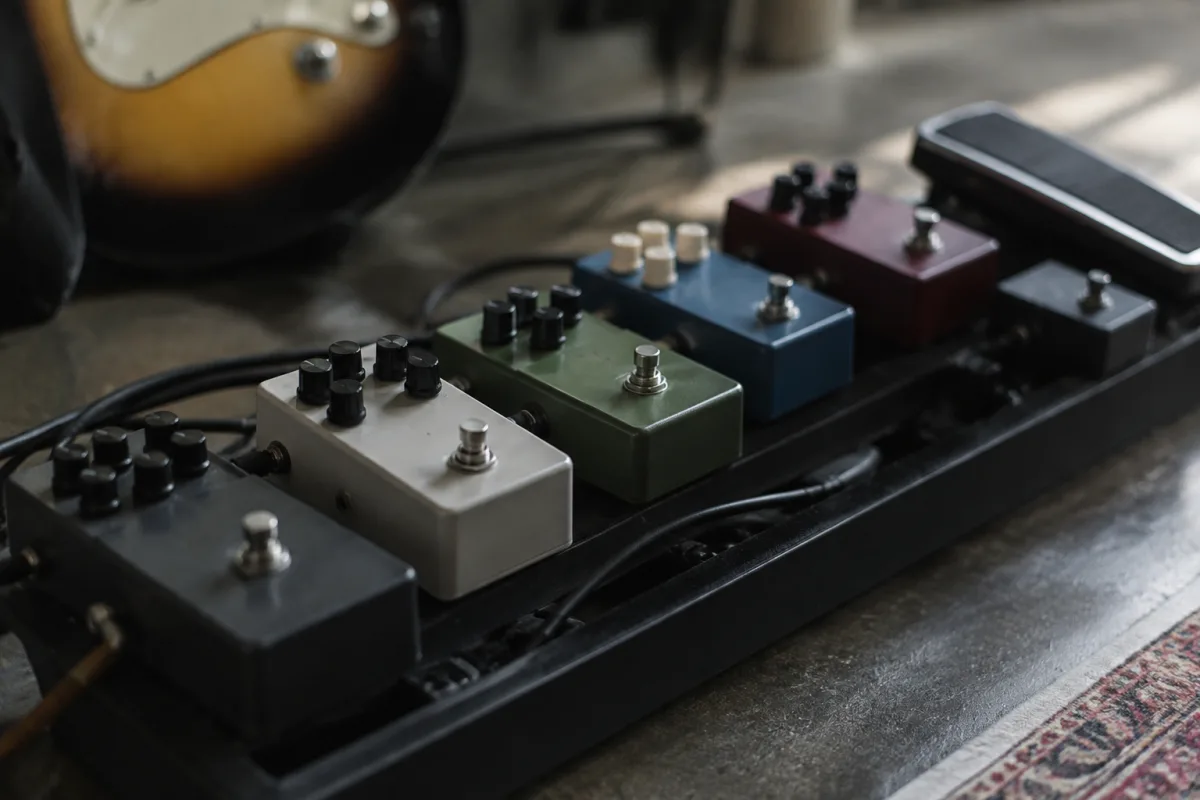
Effects pedals represent one of guitar's greatest inventions, transforming how musicians shape and sculpt their tones across endless creative possibilities. From essential overdrives and distortions to ambient reverbs and experimental modulations, effects pedals for electric guitars extend sonic capabilities far beyond what instrument and amplifier alone can achieve. Whether you're exploring your first pedalboard, expanding an existing setup, or investigating specialist effects, understanding pedals helps you develop your distinctive sonic voice and unlock musical creativity.
The Purpose and Role of Guitar Effects
Effects pedals process guitar signals, modifying tone characteristics and creating sonic textures that define modern guitar-based music across all genres. A simple overdrive might add warmth and breakup to clean amplifier tone, whilst complex modulation systems can create vast, atmospheric soundscapes. The pedal's role sits between instrument and amplifier, providing creative tools that encourage musical exploration and distinctive sonic development.
The flexibility of effects-based tone shaping allows musicians to maintain consistent sonic character across different amplifiers and venues. Touring guitarists rely on effects to recreate studio tones in live settings, whilst studio musicians use effects to develop textures that serve specific arrangements and creative visions. This versatility makes effects indispensable to professional musicians and enthusiasts alike.
Essential Categories of Effects
Gain-based effects including overdrives, distortions, and fuzzes add sustain, aggression, and character to guitar tone. These effects range from subtle breakup enhancing clean tone to extreme fuzz obliterating definition. The variety of designs means guitarists can find gain effects matching their specific musical requirements and tonal preferences.
Modulation effects—choruses, flangers, phasers, and tremolos—create movement and dimension through time-based signal processing. These effects range from subtle enhancement adding thickness and width to dramatic sweeping effects creating recognisable sonic signatures. Modulation effects appeal particularly to musicians exploring atmospheric soundscapes and experimental textures.
Ambience effects including reverbs, delays, and ambient generators create space and depth around guitar tone. These effects transform direct, focused signals into vast, enveloping soundscapes. Reverbs simulate room acoustics, whilst delays create echo and repeat effects ranging from subtle thickening to prominent slapback and self-oscillating ambient textures.
Building Your First Pedalboard
Beginning guitarists often benefit from starter pedalboards combining essential effects in single packages, providing foundational tools without overwhelming complexity. As musical interests develop, guitarists frequently expand into individual pedals allowing greater specialisation and customisation. The progression from multi-effects to individual pedals reflects deepening engagement with tone-shaping possibilities.
Signal chain order significantly influences how effects interact and sound together. Gain effects typically occupy early positions, whilst modulation effects and ambience generally sit later in chains. Understanding these relationships helps musicians construct signal paths serving their specific musical applications and creative visions.
Tone Shaping and Gain Staging
Proper gain staging—managing signal levels throughout the effects chain—ensures clarity and prevents unwanted distortion or signal loss. Input levels, effect settings, and output adjustments require careful balancing to maintain clean signal flow and prevent overdriving stages inappropriately. This technical understanding directly influences whether effects enhance tone or degrade it.
The quality of individual pedals influences how effectively they shape tone. Premium effects from respected manufacturers generally provide superior sound quality, durability, and intuitive controls. Budget alternatives sometimes employ inferior components producing harsh, unmusical effects. Investing in quality pedals for essential effects often proves more satisfying than accumulating budget alternatives.
Pedalboard Configuration and Management
Most gigging musicians assemble pedalboards combining multiple effects arranged for easy access during performance. Pedalboards range from simple wooden platforms to sophisticated flight-cased systems with integrated power distribution and cable management. The choice reflects specific requirements for portability, reliability, and number of effects involved.
Cable quality and organisation significantly influence signal quality and pedalboard reliability. Quality instrument cables with appropriate length reduce noise and maintain signal integrity. Organised cable routing minimises interference and makes troubleshooting straightforward when technical issues arise during performances.
Power Considerations
Digital and modern analog effects require electrical power, necessitating reliable power distribution systems. Isolated power supplies eliminate ground loop hum and power-related noise that plague cheap power systems. Musicians relying on many digital effects benefit significantly from quality power distribution ensuring stable performance across entire pedalboards.
Selecting Effects for Your Musical Style
Musical genre and personal preference guide effect selection significantly. Blues musicians traditionally favour subtle overdrives and reverbs enhancing natural tone, whilst metal players embrace heavy distortions and modulation effects. Contemporary musicians exploring alternative, indie, and experimental genres often develop distinctive effect combinations defining their sonic identity.
The relationship between pedal choice and amplifier characteristics matters substantially. Some combinations work synergistically, creating inspiring sonic possibilities, whilst poor matching can result in harsh, unmusical tones. Understanding these relationships through experimentation helps guitarists develop effects configurations serving their specific musical applications.
Conclusion
Effects pedals for electric guitars transform musical possibilities, enabling sonic exploration and distinctive tone development beyond acoustic instrument capabilities. Whether you're beginning with your first pedals or expanding an established pedalboard, understanding effect categories, signal chain considerations, and quality factors helps you make informed choices supporting your musical development. The right effects, properly configured and integrated into your setup, unlock creative potential and encourage the tonal experimentation that defines distinctive guitar-based musicianship.


Comments