


Northern Guitars article
Northern Guitars for Beginners: A Complete Guide
Northern guitar styles reward listening and musicality over technical prowess. This beginner guide covers what northern guitars are, how to get started, and why they're perfect for learning.
Getting Into Northern Guitars: A Beginner's Guide
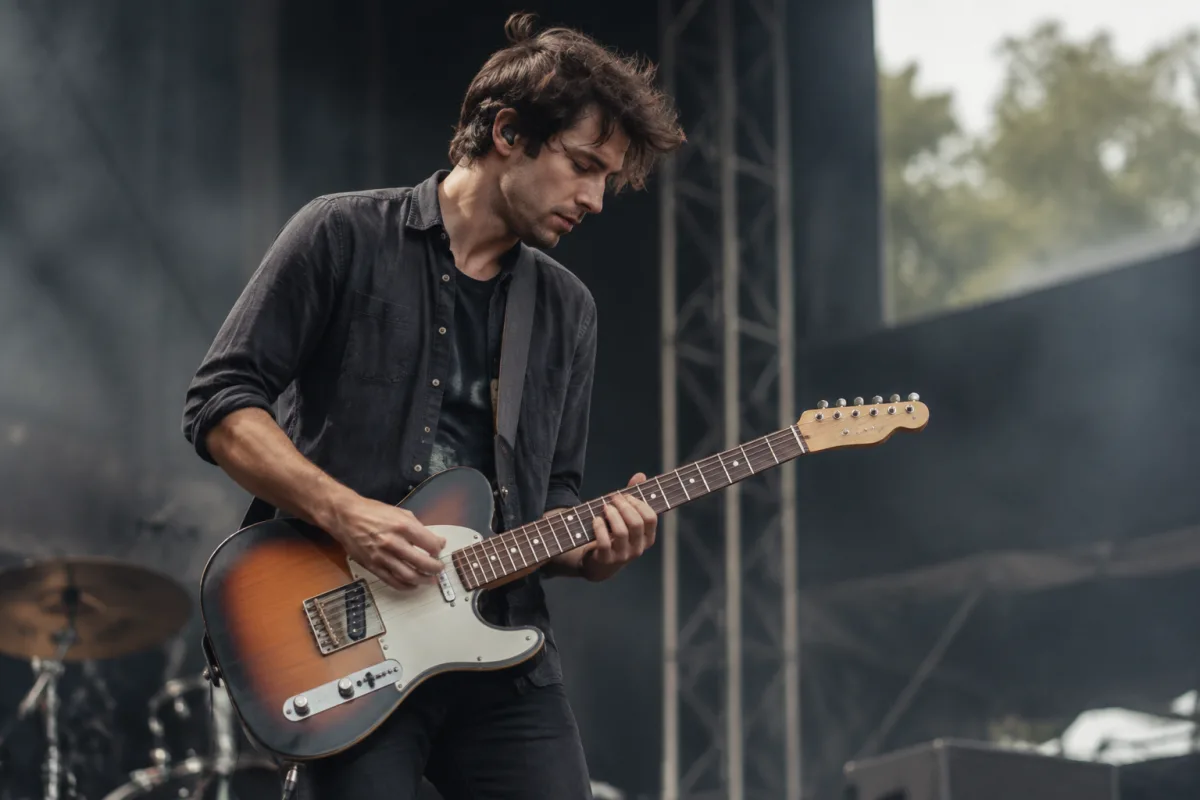
Whether you're drawn to the raw energy of post-punk, the melodic pull of indie rock, or the distinctive tone of Scandinavian-influenced guitar styles, northern guitars represent a rich and endlessly rewarding corner of guitar playing. If you've heard players like Johnny Marr, Robert Smith, or more contemporary Northern European artists and wondered how to capture that sound yourself, this guide is for you. The good news: you don't need to be a technical wizard or own anything fancy to start exploring this style.
What Makes a Guitar "Northern"?
When we talk about northern guitars, we're usually referring to a collection of influences and approaches that grew out of the UK, Scandinavia, and related regions. Rather than a single, fixed definition, it's more of a family of sounds and attitudes.
Northern guitar styles typically emphasise atmosphere and texture over pure technical prowess. Think jangly, clean tones mixed with raw feedback, melodic lines that stick with you, and a willingness to use the guitar to create mood as much as rhythm. The influences range from post-punk's angular minimalism to indie rock's emotional directness to shoegaze's wall-of-sound experimentation.
What they share is a certain restraint paired with intensity — a guitar voice that's often understated but unmistakably powerful. You won't hear much shredding or virtuosity for its own sake. Instead, you'll hear purposeful playing that serves the song.
Why Beginners Should Care About Northern Guitar Styles
Northern guitars are brilliant for beginners because they don't require you to be technically advanced before you can sound good. A beginner with a cheap electric guitar and an effects pedal or two can genuinely capture the spirit of this music.
Unlike shredding or fingerstyle classical, where technical skill is immediately obvious, northern guitar playing rewards tone-chasing, listening skills, and emotional commitment. A beginner who listens carefully and thinks about texture can outplay a technically advanced guitarist who doesn't understand musicality.
Additionally, the song catalogue is vast and accessible. You can find brilliant beginner-level songs from artists across the post-punk, indie, and alternative scenes that won't require you to play a 200-note solo or master a complex time signature. You can learn proper technique and musicianship through songs you actually love.
Starting Out: The Essential Ingredients
You don't need much to begin exploring northern guitar styles. A solid foundation requires just a few things:
- A decent electric guitar. Nothing fancy needed — a mid-range Fender Squier, Epiphone, or similar will do the job. Northern guitar playing isn't about expensive gear; it's about sound and technique.
- An amp with a bit of character. A 15–30 watt valve combo (tube amp) is ideal because northern styles value the natural breakup and harmonic richness valve amps provide. If budget's tight, even a solid-state practice amp will work.
- At least one effects pedal. A distortion or overdrive pedal opens up huge possibilities. It doesn't need to be expensive — plenty of brilliant sounds come from budget gear.
- Good ears and curiosity. More important than any equipment is actually listening to the music you want to emulate. Spend time with albums that inspire you.
Sounds to Explore: Where to Begin
Northern guitar music encompasses several interconnected styles. Pick one or two that genuinely excite you, and dive in:
- Post-punk (1978–1985): Minimal, angular guitar work that prioritises texture and atmosphere. Bands like Joy Division and Wire are excellent starting points. The riffs are straightforward, but the overall effect is haunting.
- British indie rock (1980s–1990s): Jangling, melodic guitars with emotional intensity. Think The Cure, Cocteau Twins, and The Smiths. These songs are wonderfully singable and emotionally direct.
- Shoegaze (1990s): Layered, textured guitar that creates a "wall of sound." Bands like My Bloody Valentine pioneered this approach. It sounds complex, but beginner players can absolutely contribute interesting layers.
- Nordic/Scandinavian contemporary: Modern guitar artists from the Nordic countries, blending traditional folk influences with rock and electronic elements. This is an evergreen source of inspiration.
Common Mistakes Beginners Make
Trying to buy the "right" gear first. A beginner will sometimes spend months researching the perfect pedals or amp before actually picking up the guitar. Start with what you have. Gear matters, but it matters far less than you think.
Playing too fast. Northern guitar isn't about speed. If you're rushing your playing, slow down. Clarity and tone matter infinitely more than tempo. A single, perfectly executed note beats a sloppy run of fifty.
Ignoring the importance of listening. You can't develop a northern guitar voice if you don't listen to the music closely. Spend real time with the artists who inspire you. Listen to how they use space, dynamics, and effects.
Neglecting rhythm and tone for flashy lead work. Northern guitar emphasises the rhythm guitarist's role. Learn to hold down a tight rhythm with great tone before you worry about leads. The foundation is everything.
Giving up too soon on "boring" songs. Cover the straightforward beginner-level songs from the artists you love, even if they feel too simple. That's where the real learning happens.
Building Your Beginner Repertoire
Start with songs that are genuinely achievable but still feel authentic. A few brilliant starting points:
- Joy Division — "Love Will Tear Us Apart" (iconic and surprisingly straightforward)
- The Smiths — "This Charmed Life" (melodic and emotionally satisfying)
- Cocteau Twins — "Cherry-Coloured Funk" (manageable but atmospheric)
- Modern equivalents from contemporary Northern European artists (check your local music scene)
As you gain confidence, expand into more complex arrangements and explore the deeper catalogue. You'll develop instincts about what sounds "right" and what doesn't.
Effects and Tone: The Northern Guitar Essential
Effects are central to northern guitar playing, but you don't need a pedalboard the size of a small car. Start simple:
- Distortion or overdrive: Creates sustain and texture. Experiment with different levels of gain.
- Reverb: Adds space and atmosphere. Built into most amps, but worth learning to control.
- Delay: Creates echoing, shimmering textures. A small affordable delay pedal opens up new worlds.
Add effects gradually. Learn to use one pedal really well before adding another. The best northern guitar players achieve stunning results with surprisingly minimal gear.
Finding Teachers, Communities, and Resources
Northern guitar styles are well-documented online. YouTube has countless tutorials on post-punk and indie techniques. Communities dedicated to these genres (Reddit, forums, Discord servers) are welcoming to beginners who ask genuine questions.
A guitar teacher who understands this music is worth their weight in gold — they can guide your listening, suggest songs, and help you develop the specific technical skills (clean articulation, controlled feedback) that northern styles demand.
The Bottom Line
Northern guitars offer beginners a pathway into music that's emotionally rewarding, technically accessible, and endlessly creative. You don't need fancy equipment, but you do need to listen deeply and be willing to explore sounds beyond the mainstream. Start with artists and songs that genuinely move you, focus on tone and clarity over speed, and let your playing develop organically. Within a few months of steady, focused practice, you'll be creating genuinely compelling guitar music.
For a deeper exploration of how northern guitar traditions developed and the technical underpinnings of these styles, check out the complete guide to northern guitars.



Comments