


Daisy Rock Guitars article
The Complete Guide to Daisy Rock Guitars
Daisy Rock guitars combine unique aesthetics with accessible pricing and reliable playability.
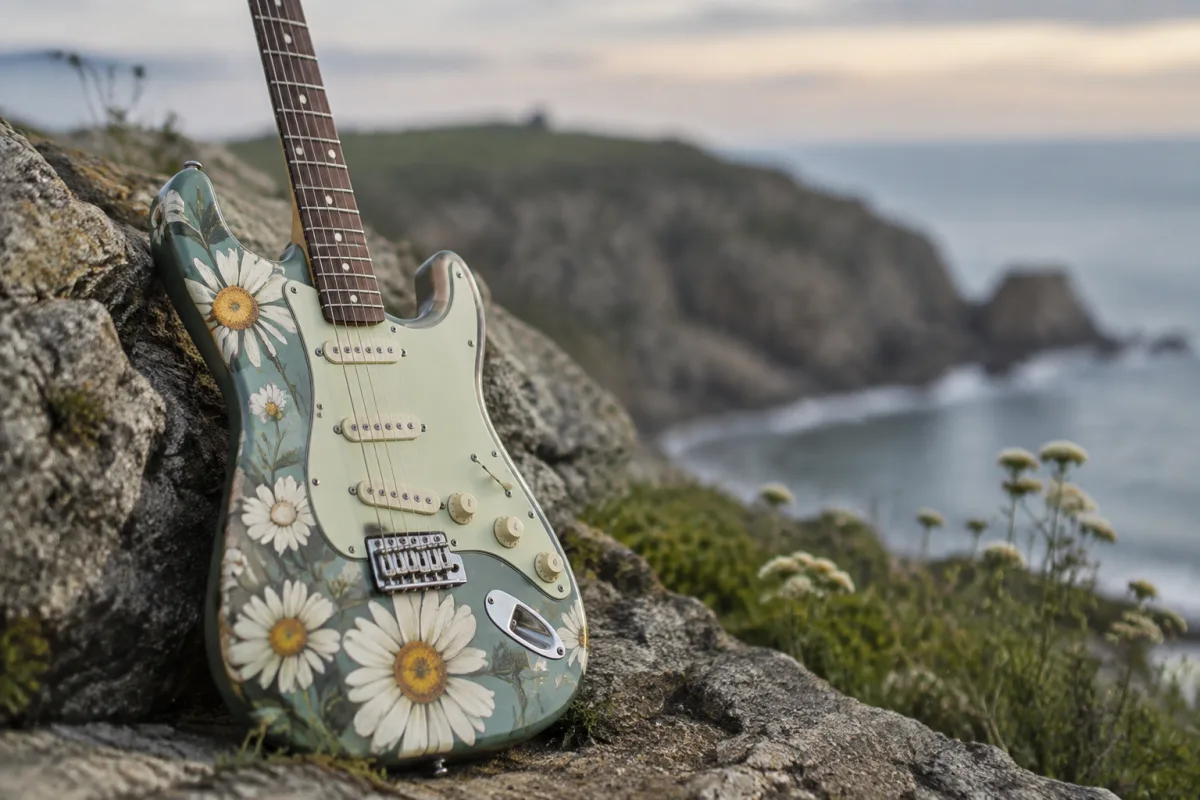
Daisy Rock guitars represent a distinctive presence within the instrument market, known for appealing designs and accessible pricing. These instruments target players seeking alternatives to conventional brands whilst maintaining reliable playability and tone. Understanding Daisy Rock guitars reveals why these instruments attract committed followings amongst particular player demographics.
Brand Heritage
Daisy Rock emerged in the early 2000s with a mission to create instruments appealing to diverse players. The brand emphasises aesthetic distinctiveness and accessible pricing, positioning itself as an alternative to established guitar manufacturers. This approach has resonated with players seeking instruments that reflect individual personality and artistic identity.
Design Philosophy
Daisy Rock guitars prioritise visual appeal and ergonomic consideration. The instruments feature distinctive body shapes, creative finishes, and thoughtful design elements that appeal to players valuing personal expression. The commitment to accessibility means instruments remain affordable whilst maintaining functional playability across diverse musical contexts.
Key Models
| Model | Characteristics |
|---|---|
| Retro H2 | Semi-hollow body with vintage aesthetic appeal |
| Daisy | Solid-body design with contemporary styling |
| Debutante | Compact body design for younger or smaller players |
| Butterfly | Distinctive body shape with unique visual appeal |
Tone and Performance
Daisy Rock guitars deliver functional tone suitable for learning and recreational playing. While not targeting professional recording contexts, the instruments perform reliably across casual playing applications. The straightforward pickup configurations and controls provide intuitive operation for developing players.
Conclusion
Daisy Rock guitars offer accessible instruments with distinctive aesthetic appeal. Understanding these instruments means recognising how thoughtful design and affordable pricing create value for specific player demographics seeking individual expression and reliable functionality.


Comments