


Tc Play Acoustic article
Tc Play Acoustic for Beginners: A Complete Guide
A beginner's guide to TC Play Acoustic: setup essentials, core features, audio interface configuration, common mistakes, and a realistic monthly roadmap.
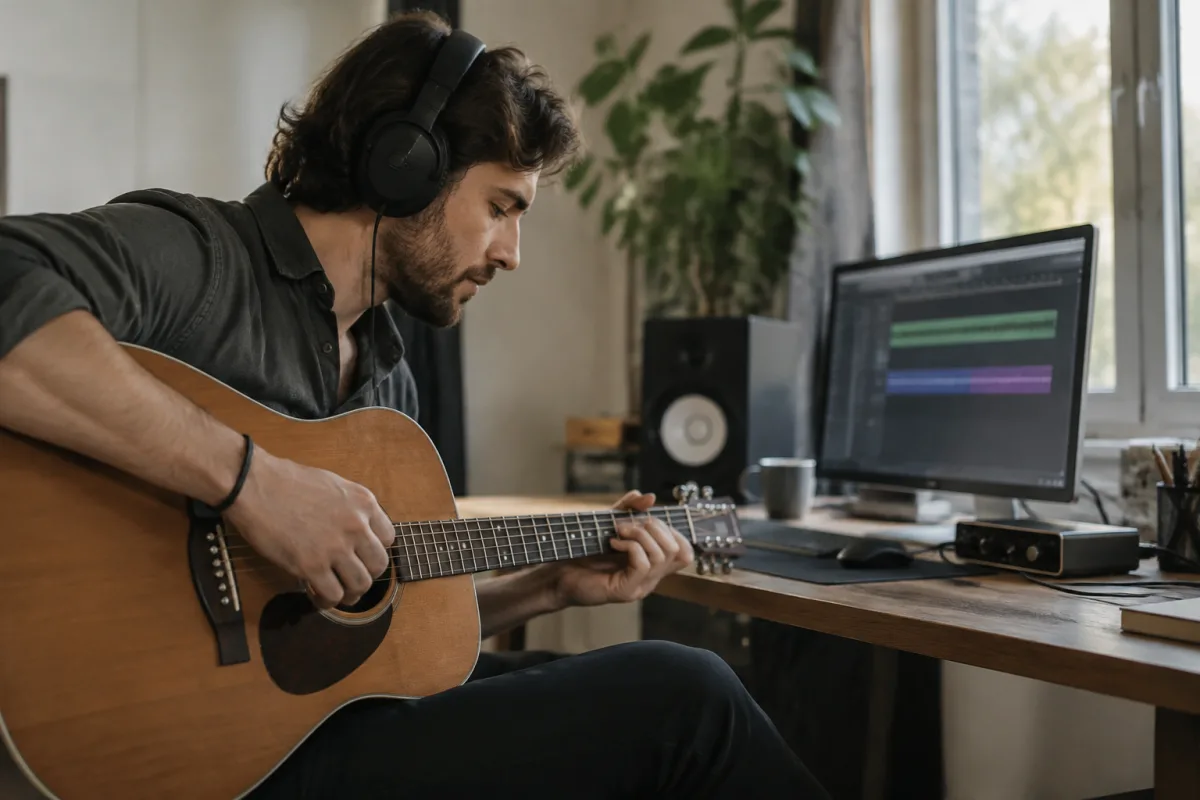
Starting your acoustic guitar journey and considering TC Play Acoustic? This software offers genuine value for learning, practice, and sound exploration. However, getting the most from TC Play Acoustic as a complete beginner requires understanding its core features and avoiding common setup mistakes. This guide walks you through everything a newcomer needs to know—how to get started, what features actually matter, common pitfalls to avoid, and how to use TC Play Acoustic effectively as a learning tool.
Why TC Play Acoustic Matters for Acoustic Guitar Beginners
TC Play Acoustic delivers several genuine benefits for learning acoustic guitar. First, it provides authentic acoustic guitar amplification and effects processing that transforms your practice sessions. Acoustic guitars played through quality amplification sound dramatically better—thicker, fuller, more inspiring than unplugged tone. Second, TC Play Acoustic includes learning tools like backing tracks, loop functionality, and effects that make practice genuinely more engaging than repetitive exercises. Third, the software bridges your acoustic guitar and your computer, opening possibilities for recording, layer building, and experimentation. These capabilities collectively make TC Play Acoustic genuinely valuable for beginners serious about developing their acoustic playing.
Beyond these practical benefits, TC Play Acoustic encourages consistent practice. Playing through good amplification sounds so much better than raw acoustic tone that you'll naturally want to spend more time practising. That consistency compounds into genuine improvement faster than struggling with unplugged tone.
What Makes TC Play Acoustic Distinctive for Beginners
- Acoustic Amplification Models: The software models real acoustic amplifiers faithfully. You're getting authentic amplified acoustic guitar tone, not generic digital processing.
- Pickup Modelling: Different acoustic pickup types sound fundamentally different when amplified. TC Play Acoustic models these differences, helping you understand pickup impact.
- Effects Processing: Reverb, chorus, delay, and compression algorithms fine-tune your tone. Beginners often avoid effects, but learning basic effect use actually accelerates technique development.
- Backing Track Integration: Built-in backing tracks and loop functionality let you play with context rather than isolated exercises. This is genuinely motivating for beginners.
- Tone Control: Intuitive tone shaping helps you explore different acoustic sounds. Experimenting with tone makes practice feel less like chore and more like play.
- Computer Integration: Easy integration with your computer lets you record playing, build layers, and capture ideas. This flexibility encourages creative exploration.
Getting Started with TC Play Acoustic
Set Up Your Audio Interface Correctly
TC Play Acoustic requires an audio interface to connect your guitar to your computer. Budget interfaces (£80–200) are completely adequate for learning. Spend time properly setting up your audio interface—drivers installed, sample rates matching, latency minimised. Good setup prevents frustration and makes practice genuinely enjoyable.
Configure Your Acoustic Guitar Settings
TC Play Acoustic includes settings for different acoustic guitar types and pickup configurations. Spend a few minutes matching your specific guitar to the software's options. This improves tone authenticity and helps you hear what your guitar actually sounds like amplified.
Start with Simple Tones Before Effects
Explore TC Play Acoustic's basic acoustic amplifier models before diving into effects. Get comfortable with fundamental amplified acoustic tone. Once that feels natural, gradually introduce effects—a little reverb, subtle chorus. Less is more when learning; you'll understand effects better through restrained use than excessive effects.
Common Beginner Mistakes with TC Play Acoustic
| Mistake | Why It Matters | Better Approach |
|---|---|---|
| Overloading Effects | Beginners often pile on effects, masking actual playing clarity. This removes feedback about technique. | Start with minimal processing. Let your actual playing shine through. Add effects gradually once you trust your technique. |
| Ignoring Latency Issues | Latency (delay between playing and hearing sound) is distracting and harmful to learning rhythm timing. | Configure your audio interface and software to minimise latency. Most budget interfaces achieve <10ms latency with proper setup. |
| Neglecting Pickup Modelling | Different pickup models sound distinctly different. Ignoring this variation limits your understanding of acoustic tone. | Experiment with TC Play Acoustic's various pickup options. Understand how pickup choices affect tone fundamentally. |
| Using Backing Tracks as a Crutch | Backing tracks are genuinely helpful, but over-reliance prevents you from developing independent rhythm sense. | Use backing tracks for engagement and motivation. Balance with pure metronome practice to build genuine rhythmic foundation. |
| Poor Audio Interface Setup | Budget or improperly configured interfaces create frustrating issues—crackling, noise, latency. This kills practice motivation. | Spend time properly setting up your interface. Install drivers, match sample rates, test thoroughly before serious practice. |
Your First Month with TC Play Acoustic
Week One: Focus on setup and basic exploration. Get your audio interface installed, connect your guitar, experiment with different acoustic amplifier models. Don't worry about effects yet—just understand basic amplified acoustic tone.
Week Two: Practise with TC Play Acoustic's backing tracks. Play simple chord patterns over backing tracks to get comfortable with timing and tone. Notice how amplification changes your perception of your own playing.
Week Three: Introduce subtle effects. Experiment with small amounts of reverb or chorus. Understand how effects interact with your actual playing technique. Restraint sounds better than excess.
Week Four: Combine backing tracks, simple amplification, and minimal effects. Practice full songs in this setup. By now, TC Play Acoustic should feel like a natural extension of your practice routine.
Essential Settings to Configure
- Sample Rate and Buffer Size: Match your audio interface settings to TC Play Acoustic. Higher sample rates improve audio quality but increase CPU load and latency.
- Input Gain: Set properly so your guitar signal isn't clipping (distorting) or too quiet. Proper gain setup is fundamental.
- Latency Monitor: TC Play Acoustic includes latency monitoring. Aim for <10ms latency for comfortable playing.
- Preset Management: Organise your tones into sensible presets. Naming them logically (Clean, Warm, Bright) helps you quickly find tones during practice.
- Metronome Configuration: Set click track tempo to match your practice needs. Most learning starts around 60-80 BPM.
Beyond Basic Setup
Once you're comfortable with TC Play Acoustic's fundamentals and you're regularly using it in your practice, our complete guide to TC Play Acoustic explores advanced sound design, sophisticated effects chains, recording workflows, and how to use the software for production work. For now, focus on these beginner essentials and building consistent practice habits.
Making TC Play Acoustic Work for Your Learning
TC Play Acoustic is a genuinely valuable tool for acoustic guitar learning. The key to getting maximum value is starting simply, configuring your setup properly, and avoiding the temptation to over-process your tone. Let your actual playing shine through amplification and minimal processing. Use backing tracks for engagement and motivation. Practice with discipline and focus. Within weeks, TC Play Acoustic becomes your trusted practice partner, transforming your acoustic guitar learning experience from solitary and potentially frustrating into engaging, motivating, and genuinely fun.



Comments