


Martin Dreadnought Junior Guitar article
Martin Dreadnought Junior Guitar for Beginners: A Complete Guide
Learn whether the Martin Dreadnought Junior guitar fits your needs as a beginner—size benefits, tone quality, comfort advantages, and investment value explained.
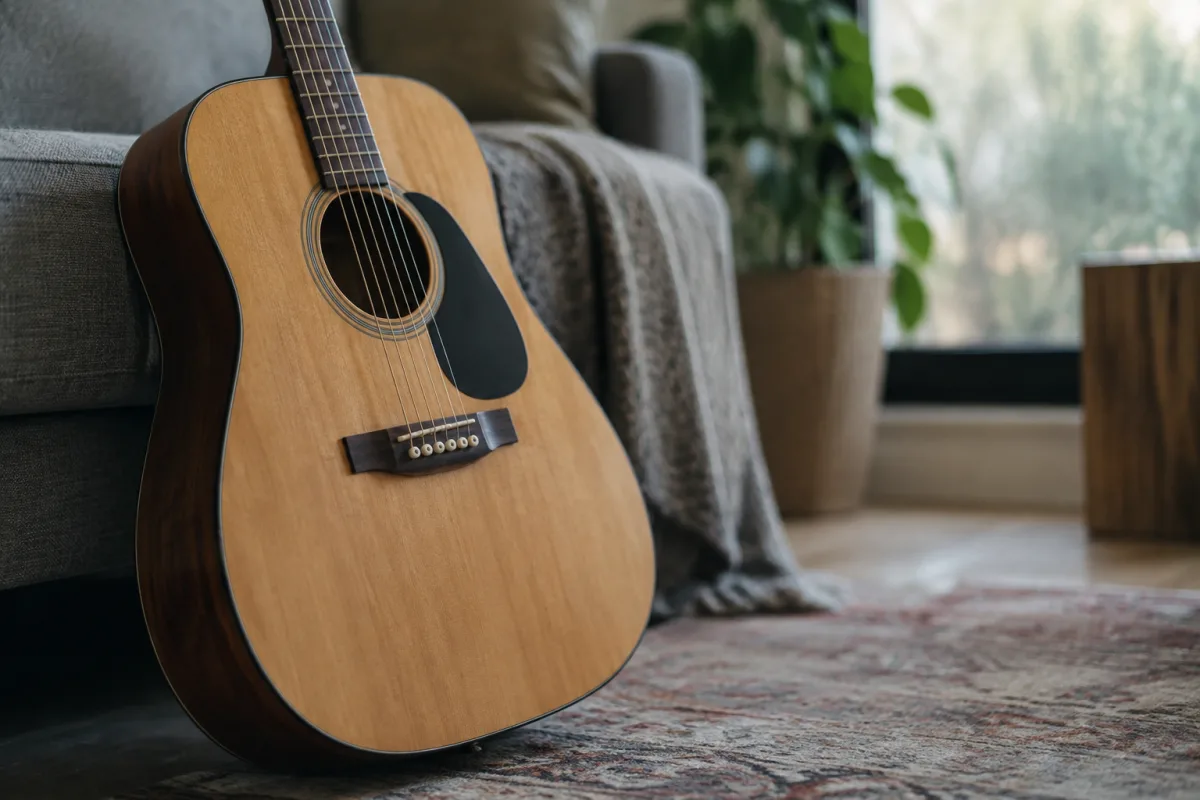
If you've been considering learning acoustic guitar but found full-size dreadnoughts uncomfortable, the Martin Dreadnought Junior is worth serious attention. This guide introduces you to the Martin Junior, explains whether it suits you as a beginner, and helps you build confidence in playing and maintaining a quality acoustic guitar. You'll discover that choosing an instrument that feels right in your hands isn't a compromise—it's the foundation of enjoying playing.
Understanding the Martin Dreadnought Junior
Martin guitars are legendary—the brand has defined acoustic guitar sound for over 180 years. The Dreadnought Junior is Martin's smaller dreadnought, designed for players who love dreadnought tone and style but find full-size dreadnoughts physically uncomfortable. At roughly 95% the size of a standard dreadnought, it's noticeably smaller but retains remarkable acoustic volume and projection. If you've been intimidated by huge guitars, the Junior bridges that gap without sacrificing the classic dreadnought voice.
This is particularly relevant for beginners. Many young people and adults with smaller frames struggle with full-size dreadnoughts—the wide body feels unwieldy, the reach to the far frets becomes painful, and playing sessions end early due to discomfort. A Martin Junior eliminates those problems while delivering the authoritative tone that makes dreadnoughts beloved by players worldwide.
Who Should Choose a Martin Dreadnought Junior?
A Martin Junior suits specific players particularly well. If any of these descriptions fit you, a Junior is worth serious consideration:
- Smaller or petite players: If you're of slight build, younger, or simply have smaller hands, a full-size dreadnought might feel too large. A Junior allows comfortable reach and playing position.
- Players returning after a break: If you played guitar years ago and are returning to it, a Junior might feel more comfortable than you remember a full-size guitar feeling.
- Absolute beginners nervous about scale: Some beginners worry they'll quit if they struggle with instrument size. Starting with a Junior means you eliminate that variable—if you struggle, it's about technique, not comfort.
- Travelling musicians: The Junior's smaller size makes it slightly easier to transport and fits in tighter spaces without sounding tiny or tinny.
- Players who like dreadnought tone but want a friendlier physical experience: You want the volume and clarity of a dreadnought without the physical commitment of a full-size body.
That said, a Martin Junior is a genuine musical instrument, not a toy or beginner-only guitar. Professional players use Juniors regularly. Some prefer the size and wouldn't go back to full-size dreadnoughts. The size doesn't limit its musicality or professionalism.
What Makes Martin Special (Why Choose Martin Over Alternatives?)
Martin guitars are expensive compared to entry-level brands, so understanding what you're paying for matters. Here's why Martins have earned their reputation:
Tone Quality: Martin dreadnoughts have a specific voice—warm, balanced, with strong volume and projection. This tone is immediately recognisable and beloved across genres. A Martin Junior delivers that characteristic tone at smaller scale.
Workmanship: Martin guitars are hand-crafted with meticulous attention to detail. The wood selection, bracing, finishing, and setup are professional-grade. You'll notice the quality immediately—the finish feels smooth, the action feels responsive, and the guitar speaks freely.
Longevity: A well-maintained Martin guitar lasts decades and appreciates rather than depreciates. Many players report playing Martins that are 50+ years old and still sound beautiful. You're not just buying an instrument; you're investing in something that will serve you for life.
Resale Value: If you ever decide to sell or upgrade, Martin guitars hold value well. This is partly snobbery (people want Martins because they're Martins) and partly genuine (they actually sound great). Either way, a Martin is a financial decision you won't regret.
Size and Comfort: The Real Advantage for Beginners
The Martin Junior's greatest strength for beginners is comfort. Playing an uncomfortably large guitar creates tension, discourages practice, and makes developing proper technique harder. A Junior eliminates those obstacles immediately. Here's what you'll experience:
Reaching the Fretboard: The Junior's slightly shorter scale length means reaching the far frets feels natural. Your hand doesn't have to stretch excessively, which reduces fatigue and allows longer, more enjoyable practice sessions.
Body Positioning: A smaller body sits more comfortably when you're sitting. You can pull the guitar closer without it feeling awkward. This improved positioning allows better hand control and makes it easier to hear what you're playing clearly.
Confidence Building: When your instrument feels right, you feel more confident. You'll practice more, progress faster, and enjoy the experience more. Confidence compounds—better experience breeds more practice, which breeds faster improvement.
Sound Quality: Does Smaller Mean Quieter?
A reasonable beginner concern: will a smaller guitar sound significantly quieter? The short answer is no. A Martin Dreadnought Junior produces remarkable volume for its size. You won't mistake it for a full-size dreadnought in a side-by-side comparison, but in typical playing situations—practice, open mics, jam sessions—the difference is minimal. The Junior's tone is full, rich, and projects confidently.
In fact, many players prefer the Junior's slightly warmer, more intimate tone compared to the full-size dreadnought's more forceful projection. This is subjective—some love that warmth, others prefer brighter boldness. But "quieter" definitely doesn't mean "inferior."
Beginner Setup and First Steps
When you get your Martin Junior home, take time to familiarise yourself with it properly:
- Hold it in playing position and verify it feels comfortable. Adjust your sitting position to find the best angle.
- Plug it in to an acoustic amplifier (if you have one) and listen to its natural sound.
- Check the action—how high the strings sit above the frets. It should feel comfortable but not so high that pressing frets is painful.
- If the action feels too high, take it to a luthier for a simple setup adjustment.
- Learn basic care: keep it away from extreme temperatures and humidity, clean it occasionally with a soft cloth, and store it in a case or stand when not playing.
The Martin Junior requires no special care beyond what any acoustic guitar needs. Treat it well and it will reward you for decades.
Common Beginner Worries About Buying a Quality Acoustic
Is it overkill for a beginner? Not at all. A quality instrument actually helps beginners learn faster—better tone makes practice more enjoyable, responsiveness makes learning technique easier, and craftsmanship means no frustrating hardware issues. A cheap guitar creates frustration.
What if I quit playing? A Martin holds value. If you stop playing, you can sell it without major loss. This makes investing in a Martin financially sensible, not risky.
Will I develop bad habits on a quality guitar? No. Bad technique comes from poor practice methods, not from good equipment. If anything, a quality guitar rewards good technique and makes bad technique more obvious, helping you correct it faster.
Should I start with something cheaper? This is personal, but many experienced teachers recommend buying a quality instrument from day one. A guitar that's comfortable and inspiring to play will keep you practicing. A cheap, uncomfortable guitar encourages you to quit.
The Investment Case for a Martin Junior
A Martin Dreadnought Junior costs £300–£600 depending on model and where you buy. This is a real investment, not pocket change. Here's why it's worth considering: if you're committing to learning guitar (even if you're uncertain), you're likely to spend this amount eventually. Buying right from the start means you don't waste money on inferior instruments you'll later abandon. You buy once and enjoy for years.
For comprehensive information about Martin guitars, the full dreadnought lineup, and advanced techniques for players ready to explore them, discover the complete guide to Martin Dreadnought Junior guitars. But the core truth for beginners is simple: a Martin Junior combines professional quality, comfortable playability, and beautiful tone in a package that feels right in your hands and sounds right in your ears.
Your Next Steps
If you're genuinely considering a Martin Junior, play one in person if possible. Visit a music shop, hold it, play it, and listen to how it sounds and feels. Compare it to full-size dreadnoughts and other Junior-sized acoustics. You'll immediately understand whether a Martin Junior is right for you. If it feels comfortable, sounds beautiful, and inspires you to play, it's the right choice. The best instrument is the one you'll actually pick up and play every day.


Comments