
Ibanez Semi Acoustic article
The Complete Guide to Ibanez Semi Acoustic
Ibanez semi-acoustic guitars blend acoustic resonance with electric amplification. These versatile instruments serve studio recording, live performance, and creative experimentation.
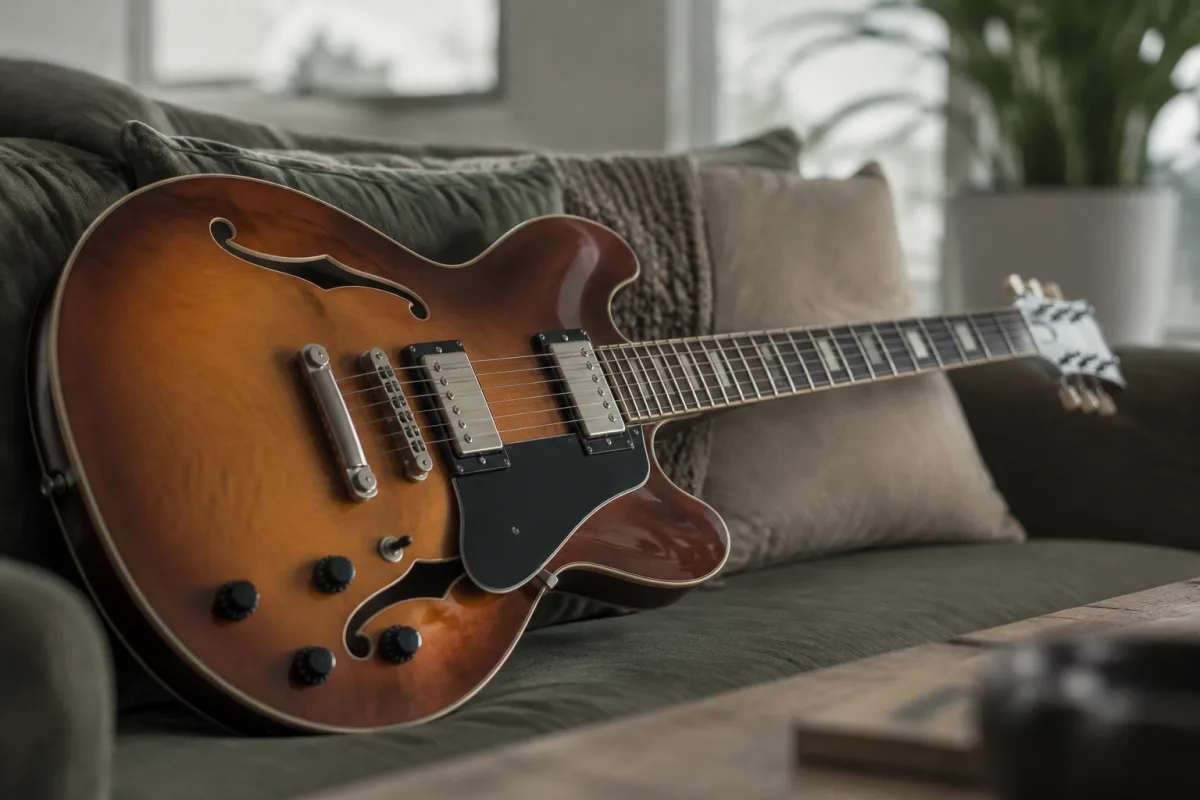
Ibanez semi-acoustic guitars represent a compelling middle ground between traditional acoustic and electric instruments, offering versatile tonal characteristics suitable for diverse musical contexts. Ibanez semi-acoustic models combine acoustic resonance with electric amplification capability, creating instruments that adapt to studio recording, live performance, and experimental playing equally well. The brand's commitment to innovative design has made Ibanez semi-acoustic guitars favourite choices among contemporary musicians seeking instruments that transcend conventional categorisation.
Understanding Semi-Acoustic Design
Semi-acoustic guitars feature chambered or hollow bodies similar to acoustic instruments, but incorporate pickups and electronic systems like electric guitars. This hybrid design creates tonal characteristics distinct from both purely acoustic and purely electric instruments. Ibanez semi-acoustic models leverage this approach, delivering warm acoustic resonance combined with electric versatility that modern musicians appreciate.
Tonal Characteristics
Ibanez semi-acoustic guitars produce warm, articulate tones reflecting the acoustic body's natural resonance. The hollow body design adds sustain and complexity compared to solid-body electrics. Amplification capability expands tonal possibilities—players can achieve clean, warm tones or drive amplifiers into breakup for more aggressive sounds. This versatility makes Ibanez semi-acoustic instruments suitable across jazz, blues, rock, and alternative contexts.
Playability and Comfort
Ibanez semi-acoustic models feature slimmer, more comfortable bodies than traditional acoustic guitars. This ergonomic design benefits extended playing sessions. The semi-acoustic body size offers acoustic feel without excessive weight or bulk. Ibanez necks typically provide comfortable playing geometry suitable for various playing styles, from smooth chord work through rapid lead passages.
Professional Applications
Recording studios value Ibanez semi-acoustic guitars for the unique tonal character these instruments contribute. The acoustic resonance captures natural warmth whilst electronic amplification provides clean, controllable signal for mixing. Live performers appreciate the visual distinctiveness of semi-acoustic instruments combined with performance versatility. Session musicians employ Ibanez semi-acoustic models for contexts requiring both acoustic texture and electric adaptability.
Technology and Features
Modern Ibanez semi-acoustic guitars incorporate quality pickup systems capturing body resonance effectively. Onboard electronics include tone and volume controls allowing tonal shaping during performance. Some models feature cutaway designs improving upper-fret access for lead work. These thoughtful features demonstrate Ibanez commitment to practical instrument design.
Build Quality and Construction
Ibanez semi-acoustic guitars employ quality tonewoods and refined construction methods. The hollow body design requires skilled bracing and assembly ensuring structural integrity and consistent acoustic properties. Modern Ibanez models demonstrate reliable craftsmanship supporting long-term musical use.
Versatility Across Genres
The semi-acoustic concept proves particularly valuable for genre-blending musicians. Jazz musicians appreciate the warm acoustic character. Rock and alternative players exploit amplified versatility. Blues musicians leverage both clean tones and driven distortion. This genre flexibility makes Ibanez semi-acoustic instruments valuable for creative musicians exploring multiple musical directions.
Contemporary Appeal
Modern music production frequently blends acoustic and electric elements. Ibanez semi-acoustic guitars facilitate this seamlessly—record acoustic signal, amplified signal, or blend both. Studio flexibility appeals to discerning producers seeking instruments that adapt to evolving production concepts.
Conclusion
Ibanez semi-acoustic guitars represent thoughtful instrument design addressing modern musician needs. The combination of acoustic warmth, electric versatility, and distinctive aesthetics makes these instruments valuable for creative musicians. Whether recording intricate arrangements, performing live, or exploring experimental soundscapes, an Ibanez semi-acoustic guitar provides the tonal flexibility and playability that contemporary musicians demand.


Comments