
Guitar Acoustic Pickup article
The Complete Guide to Guitar Acoustic Pickup
An acoustic guitar pickup enables stage performance without sacrificing natural tone. Discover which pickup type suits your playing style and how to install properly.
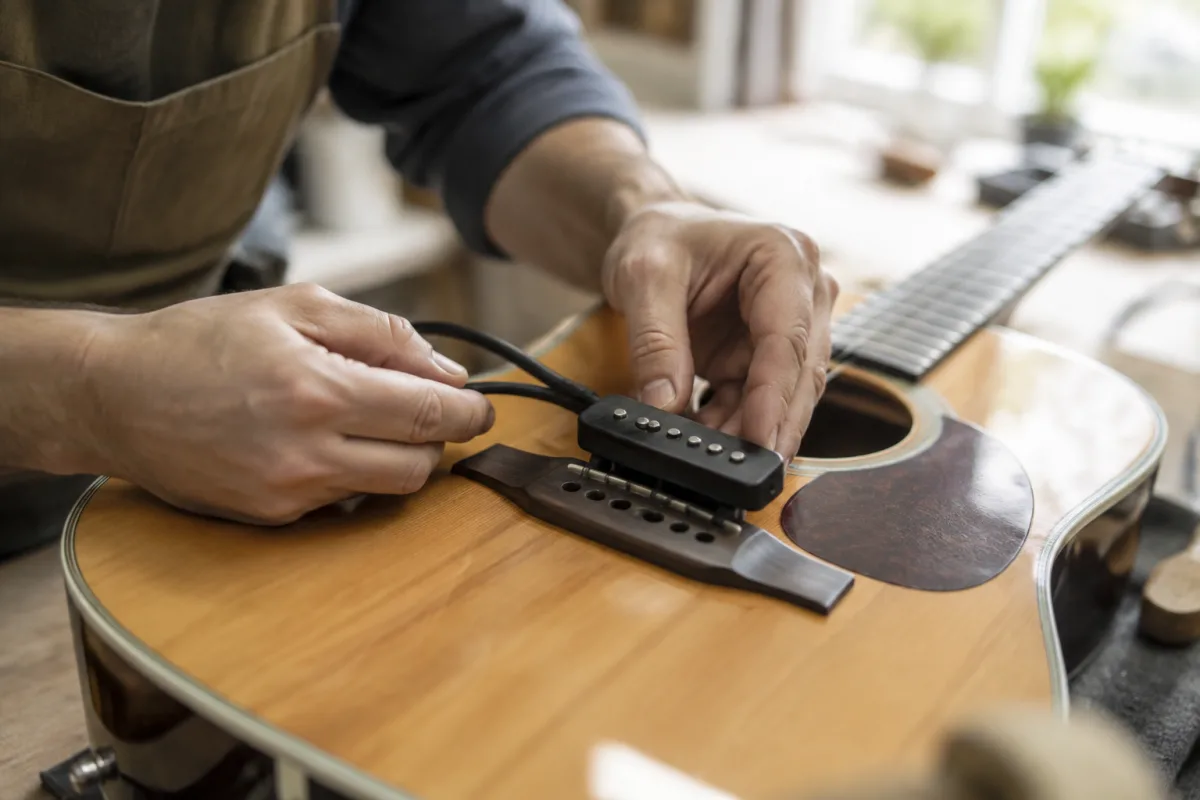
An acoustic guitar pickup transforms an unplugged instrument into an amplifiable voice, allowing acoustic players to perform on stages alongside electric instruments without losing clarity. Understanding how acoustic pickups work, which types suit different playing styles, and how to install them properly ensures your acoustic guitar's natural tone translates faithfully through amplification. This guide explores the technology, options, and considerations for choosing and installing an acoustic pickup.
Why Amplify an Acoustic Guitar?
Unamplified acoustic guitars have limited projection. In loud venues with full bands, a folk or classical guitarist's unplugged tone simply cannot cut through. An acoustic guitar pickup captures the instrument's vibrations, converts them to electrical signals, and sends the signal to an amplifier and speaker system. The amplified acoustic tone maintains the guitar's natural character whilst achieving the volume necessary for professional performance.
An acoustic pickup differs fundamentally from an electric guitar's pickup. Electric pickups capture magnetic fluctuations created by metal strings; acoustic pickups must capture the mechanical vibrations of the entire instrument including its wooden body. This fundamental difference necessitates different technologies.
Types of Acoustic Guitar Pickups
The most common acoustic guitar pickups are piezoelectric pickups—devices that generate electrical signals when subjected to physical vibration. A piezo element, typically a thin ceramic or crystal material, creates voltage when bent or compressed. Placed under the saddle or in a bridge pin, a piezo pickup converts the vibrations of the guitar's top and strings into electrical signals.
Microphone pickups use a tiny microphone positioned inside the guitar's sound hole or body. These pickups capture the guitar's acoustic sound directly, producing highly natural tone but with vulnerability to feedback in loud environments. Feedback occurs when amplified sound re-enters the microphone, creating a howling loop.
Magnetic pickups designed for acoustic guitars are rarer but exist—these capture the vibrations of metal strings similarly to electric pickups. They produce less natural tone than piezo or microphone pickups but are highly resistant to feedback.
Piezoelectric Under-Saddle Pickups
The most popular acoustic pickup type is the under-saddle (undersaddle) piezo pickup. A thin piezo strip is positioned beneath the saddle—the bone or synthetic element that strings rest upon at the guitar's bridge. String vibrations transfer through the saddle directly to the piezo element, which converts them to electrical signals.
Under-saddle pickups require saddle replacement—the existing saddle must be removed and replaced with a special saddle that incorporates the piezo element. Installation requires precision to avoid damaging the guitar's bridge. Many players commission professional installation, though experienced DIY enthusiasts can perform the task carefully.
The advantage of under-saddle pickups is directness—vibrations transfer from strings through saddle to pickup with minimal loss. The disadvantage is that installation modifies the guitar's bridge, a substantial component. Some players worry that under-saddle pickups slightly dampen acoustic tone, though quality piezo saddles minimise this effect.
Bridge Pin Piezoelectric Pickups
Bridge pin pickups utilise a specially designed bridge pin with an integrated piezo element. The bridge pin sits in the bridge's bridge hole, holding the string and capturing vibrations. Installation requires no permanent modification—simply remove the standard bridge pin and replace it with the piezo bridge pin.
Bridge pin pickups are less invasive than under-saddle alternatives, making them attractive to players unwilling to permanently modify their guitars. However, the pickup contacts only one bridge pin rather than all strings collectively, resulting in less balanced tone. Some bridge pin pickups capture string vibrations unevenly, with the bass strings sounding louder than trebles or vice versa.
Microphone-Based Pickups
A small microphone positioned inside the guitar's sound hole or body captures the instrument's acoustic sound directly. Condenser microphones or electret microphones, requiring power (typically from a battery or phantom power), convert acoustic vibrations into electrical signals.
Microphone pickups produce the most natural tone—they capture the guitar's complete acoustic character rather than only string vibrations. However, they're vulnerable to feedback in amplified environments. A guitarist playing at volume in a live venue with stage monitors risks feedback unless they position the microphone carefully and use strategic EQ.
Amplification and Preamps
An acoustic guitar pickup connects to an external amplifier or, more commonly, to an acoustic preamp—a dedicated amplifier and control unit designed specifically for acoustic instruments. Acoustic preamps provide volume control, tone shaping (typically three-band EQ), and often include feedback suppression and effects like chorus or reverb.
Quality acoustic preamps make substantial differences in amplified tone. A cheap preamp may colour the tone unpleasantly or introduce noise. Established manufacturers like Fishman, Takamine, and Ovation produce preamps optimised for acoustic tone, worth the modest investment.
Installation Considerations
Installing an under-saddle pickup requires removing and replacing the saddle—a task best left to qualified guitar technicians unless you have experience working with guitars. The saddle must be precisely fitted to seat evenly in the bridge slot; improper fitting affects both the acoustic tone and the pickup's performance.
Bridge pin and microphone pickups are simpler to install—often self-contained units requiring only insertion into the appropriate location. However, even these benefit from professional adjustment to optimise positioning and ensure everything functions correctly.
Pickup Placement and Positioning
For under-saddle pickups, placement is determined by where the saddle sits—usually centered in the bridge. Microphone pickups require thoughtful positioning. Too close to the sound hole, they capture excessive bass; too far away, the signal becomes weak. Experimenting with microphone positioning during setup is necessary to achieve balanced tone.
Bridge pin pickups' tone varies depending on which bridge pin is modified. Different pins (affecting different strings) produce slightly different tonal characters. Experienced installers may recommend specific pin positions based on the guitar's individual characteristics.
Acoustic Tone Preservation
An important consideration is whether a pickup affects the guitar's unamplified acoustic tone. Quality under-saddle pickups cause minimal tonal change, though some players detect a slight reduction in sustain. Bridge pin and microphone pickups, being less invasive, typically don't affect acoustic tone at all.
If you value your acoustic guitar's unplugged sound, test pickups before permanent installation if possible, or choose non-invasive options like bridge pin or microphone pickups that preserve acoustic character entirely.
Feedback Management
Acoustic guitar pickups, especially microphone types, can feed back—creating howling or squealing when amplified sound re-enters the pickup. Managing feedback involves careful microphone positioning, using directional microphones that reject sound from certain angles, and strategic EQ adjustments that reduce frequencies prone to feedback (typically midrange frequencies).
Modern acoustic preamps often include feedback suppression—notch filtering that targets and reduces frequencies prone to feedback. This technology, available on quality preamps, nearly eliminates feedback problems in reasonable volume settings.
Conclusion
An acoustic guitar pickup enables amplified performance without sacrificing your instrument's natural character. Whether you choose under-saddle piezo, bridge pin, or microphone technology, selecting quality components and ensuring proper installation ensures your amplified acoustic tone translates your instrument's beauty onto stages and into audiences. For touring folk, classical, or fingerstyle players, a well-chosen acoustic guitar pickup is essential equipment that extends your instrument's performance versatility.


Comments