
Fender Semi Acoustic Guitars article
The Complete Guide to Fender Semi Acoustic Guitars
Fender semi-acoustic guitars deliver warm resonance without feedback issues. Ideal for jazz, blues, rock, and soul musicians seeking natural acoustic tone.
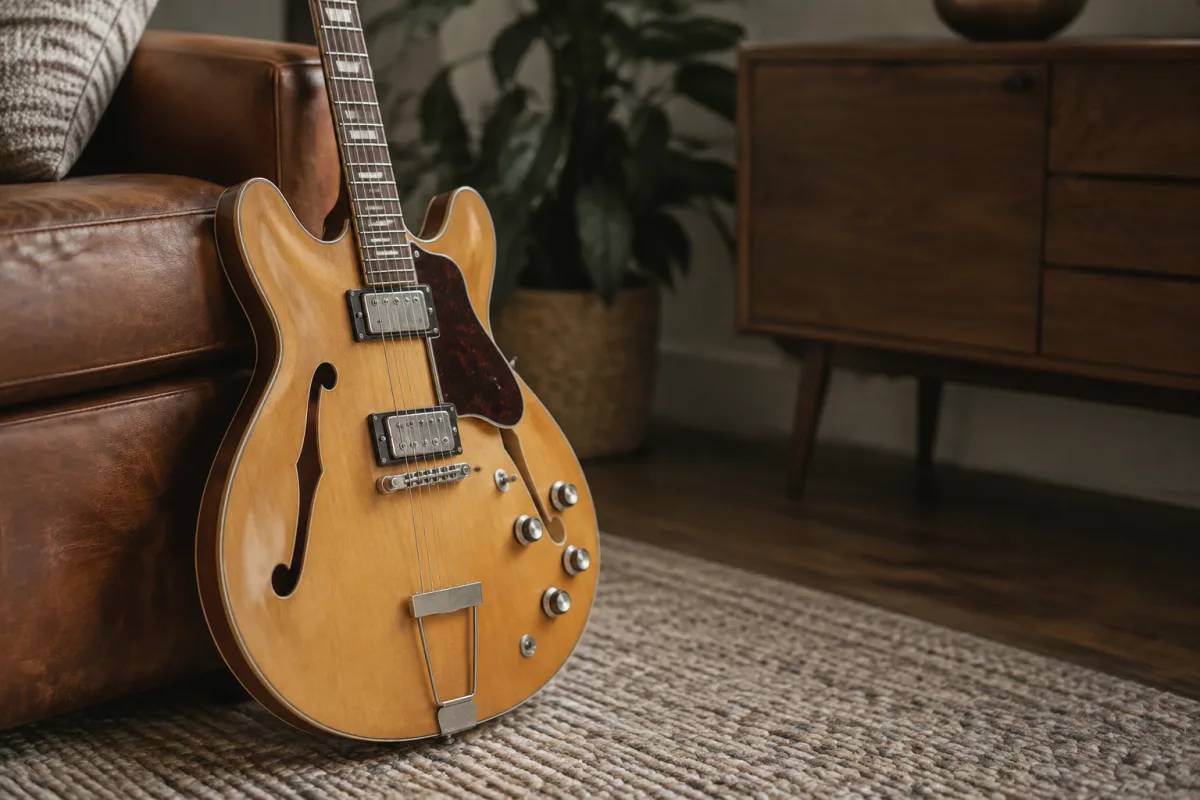
Fender semi-acoustic guitars occupy a fascinating middle ground between the punch of solid electrics and the resonance of fully acoustic instruments. These versatile guitars deliver distinctive warmth and tonal richness that make them ideal for blues, jazz, rock, and soul musicians seeking natural resonance without the feedback challenges of true hollow-body designs. Understanding what makes Fender semi-acoustic guitars distinctive — their construction, tonal character, playability, and ideal applications — helps you determine whether this instrument class suits your musical vision.
What Defines Fender Semi-Acoustic Guitars
Semi-acoustic design represents a deliberate compromise between solid-body and fully acoustic instruments. Fender semi-acoustic guitars feature partially hollow bodies — typically with solid centre blocks running through the interior. This hybrid construction allows acoustic resonance whilst maintaining control that solid-body instruments provide. The solid centre block prevents the feedback issues that plague hollow-body guitars, making Fender semi-acoustic guitars practical for amplified playing at any volume.
This design philosophy directly influences tone. Fender semi-acoustic guitars produce warmth and natural resonance characteristic of hollow instruments whilst maintaining the clarity and control of solid bodies. The semi-acoustic body vibrates sympathetically with string vibration, adding harmonic complexity that solid electrics cannot replicate. Simultaneously, the internal block dampens excessive feedback, enabling Fender semi-acoustic guitars to function reliably in live performance contexts where fully hollow instruments would become problematic.
The construction approach differs subtly across Fender's semi-acoustic line. Some models feature completely hollow chambers; others employ more subtle body contouring that suggests acoustic resonance without genuine hollowness. Understanding your specific Fender semi-acoustic model's construction reveals its tonal characteristics and performance suitability.
Iconic Fender Semi-Acoustic Models
The Coronado series represents Fender's most recognisable semi-acoustic offering. Introduced in 1966, Coronado guitars combine aesthetic elegance with versatile tone. These Fender semi-acoustic guitars feature semi-hollow construction with offset double-cutaway bodies reminiscent of Fender's solid-body designs. Coronados deliver warm, articulate tone suitable across jazz, blues, and rock contexts. Original Coronados remain highly collectible; modern reissues provide authentic vintage character at contemporary prices.
The Meteora represents a more recent addition to Fender's semi-acoustic portfolio. Designed with contemporary players in mind, Meteora guitars combine semi-acoustic construction with modern specifications. These Fender semi-acoustic guitars appeal to players seeking vintage aesthetic with contemporary playability and electronics.
Fender's collaboration with Squier has produced budget-conscious semi-acoustic options. Whilst lacking the refinement of flagship models, Squier semi-acoustic guitars deliver genuine value, allowing players to explore semi-acoustic tone without significant financial commitment.
Tonal Character and Acoustic Resonance
Fender semi-acoustic guitars produce tone fundamentally different from solid-body electrics. The hollow chambers resonate sympathetically, adding harmonic complexity and sustain. Even played unplugged, Fender semi-acoustic guitars project significantly more sound than solid bodies. This natural resonance becomes especially apparent through clean amplification, where the guitar's inherent warmth shines without distortion masking the nuance.
The balance between acoustic resonance and feedback control makes Fender semi-acoustic guitars ideal for genres emphasising tonal purity. Jazz players appreciate the warm, singing quality. Blues players exploit the natural sustain and harmonic richness. Folk and roots musicians value the acoustic-like character. Rock players appreciate the reliability and articulation even at high volume.
Pickup configuration significantly impacts Fender semi-acoustic guitar tone. Semi-acoustic models typically feature single-coil pickups rather than humbuckers, preserving brightness and clarity. The semi-hollow body's natural warmth balances the single-coil's characteristic brightness, producing balanced tone that sounds equally compelling through clean and slightly overdriven amplification.
Construction and Build Quality
Fender semi-acoustic guitars receive the construction attention that befits their price category. Solid tonewoods — typically maple or spruce bodies combined with mahogany or maple necks — provide the foundation for reliable performance and tonal excellence. The semi-hollow body's construction demands precision; inconsistent bracing or poorly executed centre blocks compromise both tone and structural integrity.
Hardware quality directly influences Fender semi-acoustic guitars' reliability. Quality tuning machines, bridges, and tailpieces ensure stable tuning and comfortable playability. Professional-grade models feature premium hardware throughout; budget versions sometimes compromise on hardware quality, which impacts long-term reliability.
The finish on Fender semi-acoustic guitars ranges from practical lacquer to sophisticated nitrocellulose, depending on the model. Vintage finishes or aged aesthetics appeal to players valuing appearance alongside functionality. Quality finish provides protection whilst allowing wood to breathe slightly, contributing to acoustic tone.
Playability and Comfort
Fender semi-acoustic guitars typically feature offset-waist body contours that balance aesthetic appeal with ergonomic practicality. The double-cutaway design common on many Fender semi-acoustic models allows comfortable access to higher frets. Body depth varies across models; thinner bodies suit players preferring compact instruments, whilst deeper bodies enhance resonance.
Neck profiles on Fender semi-acoustic guitars typically follow Fender's established specifications. Modern models favour slimmer, faster necks; vintage reissues replicate original specifications. String action remains moderate compared to acoustic guitars — playable for extended sessions without excessive finger fatigue. Professional setup optimises action for your playing style and desired tone.
Weight varies depending on construction; semi-acoustic bodies prove heavier than solid electrics due to thicker wood and hollow chambers. However, they generally remain lighter than fully acoustic guitars. The weight distribution on Fender semi-acoustic guitars, particularly offset-waist designs, creates comfortable balance for standing play.
Amplification and Performance Considerations
Fender semi-acoustic guitars perform excellently through any amplifier, though certain applications reveal their strengths. Clean amplification showcases the natural warmth and resonance that define these instruments. Slight overdrive or light distortion complements the semi-acoustic character; heavy distortion obscures the tonal qualities that justify choosing semi-acoustic design.
The semi-acoustic body's feedback control enables louder amplification than fully hollow instruments. Professional touring musicians frequently use Fender semi-acoustic guitars without encountering the feedback nightmares that hollow-body instruments create at volume. The centre block's dampening proves genuinely valuable in live performance contexts.
For recording, Fender semi-acoustic guitars deliver distinctive character. The acoustic resonance captures beautifully in studio settings, particularly through tube amplification. The balance between electric and acoustic characteristics allows these instruments to sit uniquely in mixes, occupying sonic space distinct from both pure electric and acoustic instruments.
Choosing a Fender Semi-Acoustic Guitar
Musical style should drive your selection. Jazz and blues players find Fender semi-acoustic guitars particularly rewarding; their tonal warmth and natural sustain suit these genres perfectly. Rock and soul players appreciate the reliability and character. Folk and roots musicians value the acoustic aesthetic combined with electric convenience.
Budget considerations matter significantly. Flagship Fender semi-acoustic models command premium prices reflecting superior construction and materials. Mid-range options from Fender's core line offer excellent value with reliable quality. Squier semi-acoustic guitars provide introduction-level instruments at accessible prices. Used vintage Fender semi-acoustic guitars often represent exceptional value, particularly models from the 1960s-1980s featuring superior tonewoods and construction.
Playability assessment matters. Semi-acoustic bodies feel noticeably different from solid electrics — slightly heavier, with different weight distribution. Visit retailers where you can experience multiple models, assessing comfort, balance, and how each instrument responds to your playing touch.
Conclusion
Fender semi-acoustic guitars deliver a genuinely distinctive voice — warmer than solid bodies, more controllable than fully hollow instruments, and remarkably versatile across genres. Whether exploring jazz sophistication, blues depth, rock reliability, or soul warmth, these instruments reward players seeking natural tone with electric convenience. The combination of heritage design, quality construction, and distinctive character makes Fender semi-acoustic guitars compelling choices for discerning musicians. From affordable Squier introductions through professional-grade flagships and vintage originals, Fender's semi-acoustic portfolio offers options across budgets. Understanding the construction philosophy and tonal character that define this instrument class empowers you to make informed decisions about whether semi-acoustic design suits your musical vision and playing requirements.


Comments