


Dreadnought Martin Buying guide
Dreadnought Martin: A Complete Buyer's Guide
Buying a Martin dreadnought is a serious investment. This guide walks you through essential specs, price tiers, and pitfalls to avoid when choosing the right dreadnought Martin for your playing style and budget.
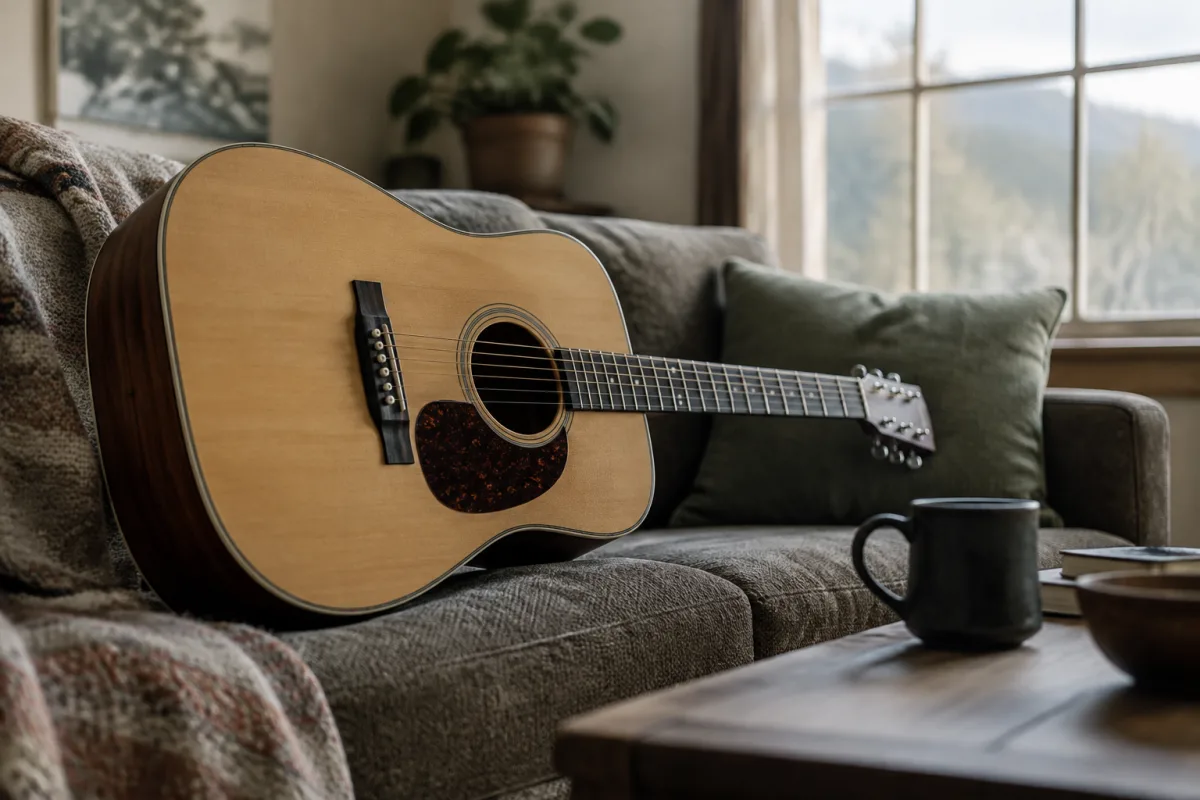
Understanding the Dreadnought Martin Market
Buying a Martin dreadnought is a serious investment, and choosing the right one can make or break your playing experience for years to come. Whether you're upgrading from a budget model or buying your first true quality acoustic, understanding what separates one Martin dreadnought from another will save you money and frustration. This guide walks you through the essential specs, the price tiers, and the pitfalls to avoid when shopping for a dreadnought from Martin.
Martin's Model Range Explained
Martin organises its dreadnought line into several tiers, each with a distinct sound character and build quality. The entry-level D-Junior is designed for value-conscious players, whilst the mid-range Standard series (D-28, D-35) represents the classic Martin sound that professionals have relied on for decades. The premium Authentic series recreates vintage specifications for players seeking historical accuracy, and the Artist series offers premium finishes and custom appointments.
Understanding which tier suits your needs is crucial. A D-15M might be adequate if you're recording at home, but a gigging musician who plays 200 nights a year needs better durability and consistency. The tier you choose affects not just initial cost but resale value and long-term satisfaction.
Wood Quality and Tone Considerations
Martin dreadnoughts come with varying levels of tonewoods. The most affordable models use solid spruce tops with laminated mahogany backs and sides—perfectly adequate wood, but laminated materials limit tonal complexity and reduce resale value. Budget approximately £1,200–£1,800 for this specification.
Step up to solid mahogany backs and sides with a solid spruce top, and you get noticeably warmer, more resonant tone. These guitars typically start around £2,000 and run to £3,500. The next tier adds solid rosewood backs and sides, which produce brighter, more articulate highs and deeper lows—expect £3,500 to £5,500.
Premium appointments like German spruce tops or East Indian rosewood command serious money (£6,000+) but deliver tonal depth that improves for decades. If you're a serious player, solid woods throughout are non-negotiable; laminated materials are a false economy.
Neck Profiles and Playability
Martin offers several neck shapes across its dreadnought range. The modern profile found on most Standard series guitars is comfortable for players with medium-sized hands and suits players who move between electric and acoustic. Older Authentic series models feature a slimmer, V-shaped neck that feels quite different—ideal if you have smaller hands or prefer that vintage feel, but potentially uncomfortable if you're used to modern profiles.
Neck width at the nut is usually 1.75 inches on Martin dreadnoughts, but some custom models vary. If you have large hands or play complex fingerstyle arrangements, test different neck profiles at a dealer before committing. A neck that doesn't fit your hands will frustrate you on every playing session.
Check the neck relief (the slight forward bow when sighted down the frets). A Martin from the factory typically has minimal relief, but aging wood and seasonal humidity changes will affect this. A neck with excessive relief or back-bow reduces playability and is a red flag on a used instrument.
Action Height and Setup
New Martins arrive factory-set with action heights around 2.6mm at the 12th fret on the bass side and 2.4mm on the treble—reasonable but often slightly high for many players. Lowering action by 0.3–0.5mm usually improves playability without causing fret buzz. A proper setup costs £80–£150 and is money well spent, but budget this into your total cost.
On used guitars, test the action and neck straightness carefully. A Martin with excessively high action and a back-bow neck may need a reset—a specialist repair costing £400–£800. Unless you're getting a serious discount, this isn't a worthwhile gamble for a buyer.
Finish and Durability
Martin applies either a traditional nitrocellulose lacquer finish or a polyurethane finish depending on the model. Nitro (found on higher-end models) is thinner, allows wood to breathe, and develops character over time—it's what serious players prefer. Polyurethane (on budget lines) is more durable and resists scratches better, but it mutes the guitar's tonal response slightly and never ages with character.
If you'll be gigging regularly or travelling frequently, a polyurethane finish is more practical. If you're keeping the guitar at home and value tone over durability, nitro is the better choice. Check the finish for cracks, crazing (fine craze lines), or delamination—these indicate aging or environmental damage and may affect playability.
Price Tiers and Value
At the budget end, Martin's D-15M (solid spruce top, laminated mahogany) costs roughly £1,200–£1,400 new. It's a playable instrument, but resale value drops sharply and tonal development plateaus quickly.
The sweet spot for most serious amateurs is £2,500–£3,500, where you get solid mahogany construction, excellent playability, and decent resale value. A D-28 or similar mid-range model will hold 50–60% of its value over five years and genuinely improves under regular playing.
Premium models (£5,000+) appeal to professional gigging musicians and collectors. Resale value stabilises better at this tier—a vintage or high-end Martin often holds 70–80% of purchase price over a decade. However, this assumes the guitar is well-maintained and original specifications are preserved.
New vs. Used: The Smart Buyer's Question
A new Martin from an authorised dealer comes with a warranty and factory setup, but you'll pay retail price. Used Martins often offer better value if you know what to check. A 5–10-year-old Martin from a reputable seller, well-maintained and with no structural issues, can cost 20–30% less than new and play just as well.
When buying used, inspect the top for cracks (especially around the soundhole and bracing areas), check the back and sides for separations or damage, and test the neck for straightness and twist. Listen for buzzes and dead spots. If you're not confident assessing a used guitar, ask the seller for photographs or video, or arrange to have a local luthier inspect it for a small fee.
Specific Models Worth Considering
The D-28 is Martin's iconic standard—solid spruce top, solid rosewood back and sides, traditional nitro finish. At roughly £4,200–£4,800, it's expensive but a proven performer that professionals trust. Resale value is excellent.
The D-15M offers solid spruce and laminated mahogany at a more accessible £1,200–£1,500. It's not a bargain compared to competing brands, but it carries the Martin name and playability is respectable for the price.
The D-18 (solid spruce, solid mahogany, nitro) occupies the sweet spot at £2,800–£3,400. It's a fraction less expensive than a D-28, slightly warmer in tone, and excellent value for gigging musicians who need durability and resale potential without premium pricing.
The D-35 matches the D-28 in price but offers a larger body and slightly louder, more booming tone. Choose based on the tonal character you prefer, not just price—they cost the same but sound distinctly different.
Avoid These Common Pitfalls
Don't assume a newer Martin is always better than an older one. A well-maintained Martin from the 1980s often outplays a new budget model because wood improves with age, and older Martins sometimes used superior materials.
Never buy a dreadnought Martin based on finish colour alone. Sunburst, natural, and burst finishes are purely cosmetic and don't affect tone. Pick the finish that appeals to you, not because you think one is "better."
Don't skip the in-person playtest if you're buying new or used locally. A guitar that feels and sounds perfect through headphones at home might feel wrong in your hands. Spend time with it, play your favourite songs, listen for balanced tone across all registers.
Avoid heavily modified guitars unless they're extensively documented and modified by a professional luthier. Custom pickups, electronics, or finish repairs can tank resale value and create unknown playability issues.
Where to Buy and Warranty
Authorised Martin dealers offer warranty protection, setup by trained staff, and the ability to inspect and compare multiple models in person. They typically cost more than online retailers, but the peace of mind and service are worth it when spending £2,000+.
Online retailers offer competitive pricing but limited inspection and no hands-on testing. If buying online, confirm the return policy and inspect photographs meticulously.
For used guitars, specialised acoustic dealers often have stock from trade-ins. They inspect guitars and offer short warranties (typically 30–60 days). Private sellers sometimes offer better deals but no protection—tread carefully and inspect thoroughly.
The Right Martin for Your Situation
A Martin dreadnought is only worth the money if it matches your playing needs and financial reality. If you play casually at home a few hours a week, a solid D-18 delivers excellent tone without premium pricing. If you gig 100+ nights yearly, a D-28 or better is justified—the durability and consistency justify the cost.
For more foundational information on Martin dreadnoughts, including their history and how different models compare in detail, read our complete guide to dreadnought Martin guitars.
Conclusion
Buying a dreadnought Martin means investing in a guitar that will likely outlive you if treated well. Prioritise solid woods over laminated construction, test playability in person, understand the differences between price tiers, and buy from a dealer you trust. A good dreadnought Martin holds value, improves with playing time, and becomes more rewarding each year. Make the choice carefully, and you'll have an instrument that pays dividends for decades.


Comments