
Slide Steel Guitar article
The Complete Guide to Slide Steel Guitar
The slide steel guitar produces uniquely expressive, soaring sounds. Learn what makes it special, which type suits you, and how to get started.
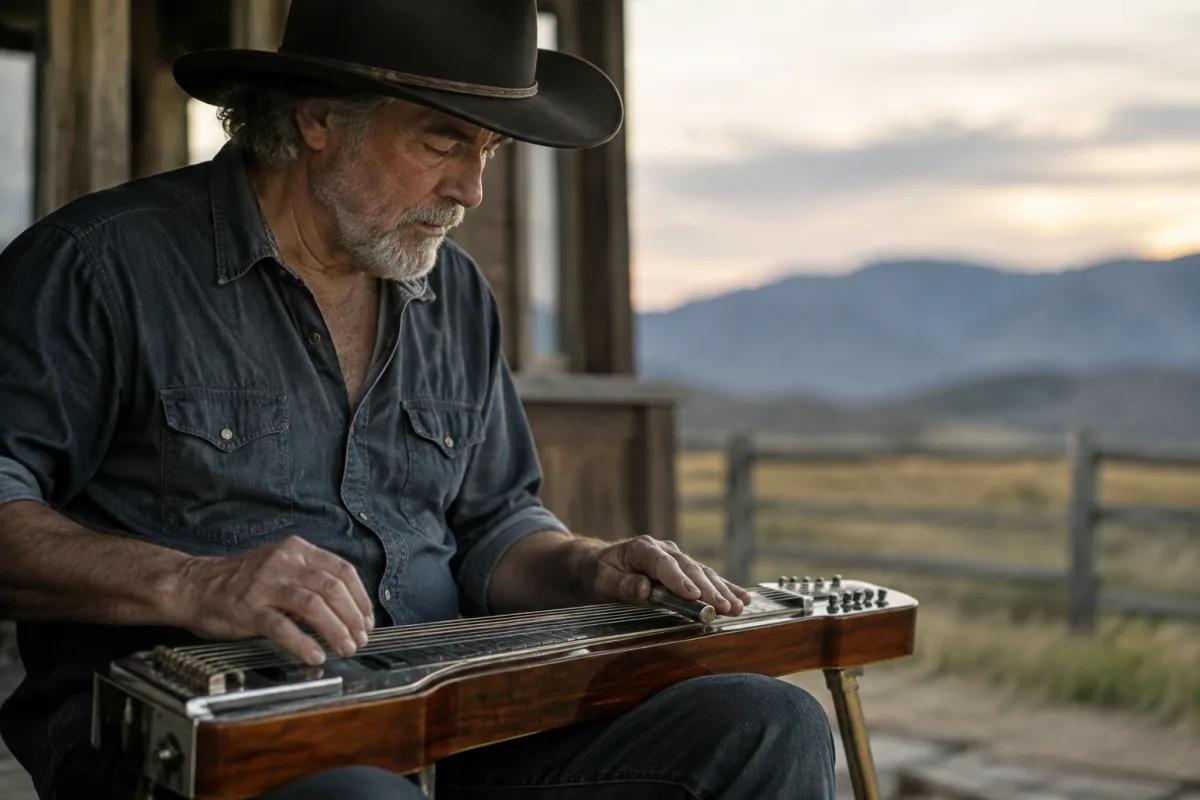
The slide steel guitar is one of the most distinctive and expressive instruments in modern music, capable of producing soaring, mournful, and ecstatic sounds that define blues, country, rock, and Hawaiian music. Unlike a standard electric guitar where you fret notes with your fingers, a slide steel guitar uses a smooth bar—glass, ceramic, or metal—dragged across the strings to produce notes and create the characteristic vocal, sliding sound that no other instrument can replicate. Whether you're enchanted by Hawaiian music, drawn to country's emotional depth, or inspired by blues masters, learning the slide steel guitar opens access to an ancient technique reborn in contemporary music.
What Is a Slide Steel Guitar?
A slide steel guitar is an acoustic or electric guitar played horizontally with a slide worn on one finger to strike and manipulate strings. Unlike standard upright guitar playing, where your fret hand stops strings behind frets to change pitch, slide guitar eliminates frets and instead uses a smooth, precise pressure to select exact pitches across the continuous string length. This allows gliding between notes—crucial to the instrument's emotional character.
The "steel" in the name historically referred to steel strings, distinguishing slide guitars from earlier nylon-stringed instruments. Modern slide steel guitars use heavy-gauge steel strings tuned to open tunings—open G or open D are classics—that allow playing full chords by laying the slide bar flat across all strings simultaneously.
Types of Slide Steel Guitars
Lap steel guitars sit flat across your lap and are played horizontally. Lap steels are compact, affordable, and ideal for beginners exploring the instrument. They range from basic models (£200–400) to professional instruments (£1,500+). Lap steel dominates modern slide guitar because it's portable, requires minimal setup, and works electrified or acoustic.
Pedal steel guitars are elaborate instruments with foot pedals controlling tuning changes, allowing players to shift between multiple tunings instantly without re-fingering. Pedal steels are the instrument of choice in modern country and Americana music, particularly in recording studios and professional venues. A serious pedal steel costs £4,000–15,000+, and mastering one takes years of dedication. Beginners rarely start on pedal steel given the complexity and cost.
Console steel guitars are larger lap steels offering extended range and often include a basic foot pedal system. These sit between lap and pedal steels in complexity and cost, appealing to players who want more tonal control than a simple lap steel offers.
Acoustic slide guitars are standard acoustic guitars played with a slide, without modification or electrification. Many slide players use acoustic guitars—particularly dreadnoughts or jumbos—for their warm tone and portability. An acoustic slide guitar costs the same as a standard acoustic (£200–1,000+) and requires nothing except a slide and practice.
Slide Steel Guitar Tunings and Technique
| Tuning | Best For | Strengths | Learning Curve |
|---|---|---|---|
| Open G | Beginners; blues and rock | Intuitive major chords; familiar to standard tuning players | Moderate—similar to standard guitar |
| Open D | Country; Americana; fingerstyle | Rich low end; traditional country tuning | Moderate—slightly more unfamiliar |
| Open E | Rock; heavy blues | High energy; powerful sound | Moderate—similar to open G |
| High-strung tuning | Hawaiian music; delicate sound | Ethereal, bright character | High—very different from standard tunings |
Most beginners start with open G tuning, which feels familiar to standard guitar players and produces intuitive major chords by laying the slide flat. Open D is equally popular and offers country character. Learning to hear pitches and position your slide accurately across fretless fretboard demands a different skill set than fretting—intonation is your responsibility, not the frets.
Getting Started With Slide Steel Guitar
Choose your first slide steel guitar wisely. A budget lap steel (£200–400) from Fender, Gretsch, or Rogue serves beginners well—affordable enough to walk away if the instrument doesn't stick, yet playable enough to explore serious technique. Avoid ultra-cheap online instruments under £150; they're often poorly constructed and frustrating to play in tune.
Buy a proper slide. Glass slides (£5–15) offer warmth and smooth glide. Ceramic slides (£8–20) are durable and bright. Metal slides are less common but work fine. A quality slide costs little; don't skimp. Many beginners wear the slide on their ring finger or pinky, though some prefer the middle finger—experiment to find comfort.
Invest in lessons or tutorials. Slide guitar technique is sufficiently different from standard guitar that many guitar players struggle learning alone. Online courses, YouTube tutorials, and private instruction accelerate your progress and prevent bad habits forming. A few £50–100 lessons with an experienced slide player pays dividends.
Practice intonation constantly. Without frets, slide intonation is entirely your ear's responsibility. Spend time training your ear to hear when you're flat or sharp, and adjust your slide position with millimetre precision. This skill takes months to develop but is non-negotiable for slide guitar.
Building Your Slide Steel Guitar Sound
Most players amplify their slide steel guitar through small tube amplifiers designed for warm, responsive tone. A 20–30 watt amplifier in a studio or rehearsal room is sufficient; gigging musicians often use 50+ watts for adequate volume and headroom.
Effects pedals extend slide guitar versatility. Reverb adds space and ambience (essential for Hawaiianmusic). Tremolo modulates volume for expressiveness. Delay creates textural depth. Overdrive and distortion suit rock and heavier blues. A clean amplifier with reverb remains the purest canvas; add effects thoughtfully rather than reflexively.
The Challenge and Reward of Slide Steel Guitar
Slide steel guitar demands more from your ear than standard guitar playing. Without frets to guide you, perfectionism becomes crucial—your intonation directly reflects your commitment. The reward is emotional expressiveness unmatched by any other guitar technique. A bend that lasts three seconds, a glide that conveys human longing, a single note that tells a story—slide guitar makes these possible in ways fretted guitar cannot.
Conclusion
The slide steel guitar remains one of contemporary music's most powerful expressive tools, accessible to anyone committed to learning an ancient technique reborn through modern music. Whether you start with an affordable lap steel, pursue Hawaiian music's ethereal beauty, or chase country and blues tradition, the slide steel guitar rewards your investment with sounds and feelings no other instrument can create.


Comments