


Guitar Pickups Single Coil Buying guide
Guitar Pickups Single Coil: A Complete Buyer's Guide
Selecting single-coil guitar pickups requires understanding output levels, magnet types, and construction quality. This guide helps you upgrade confidently.
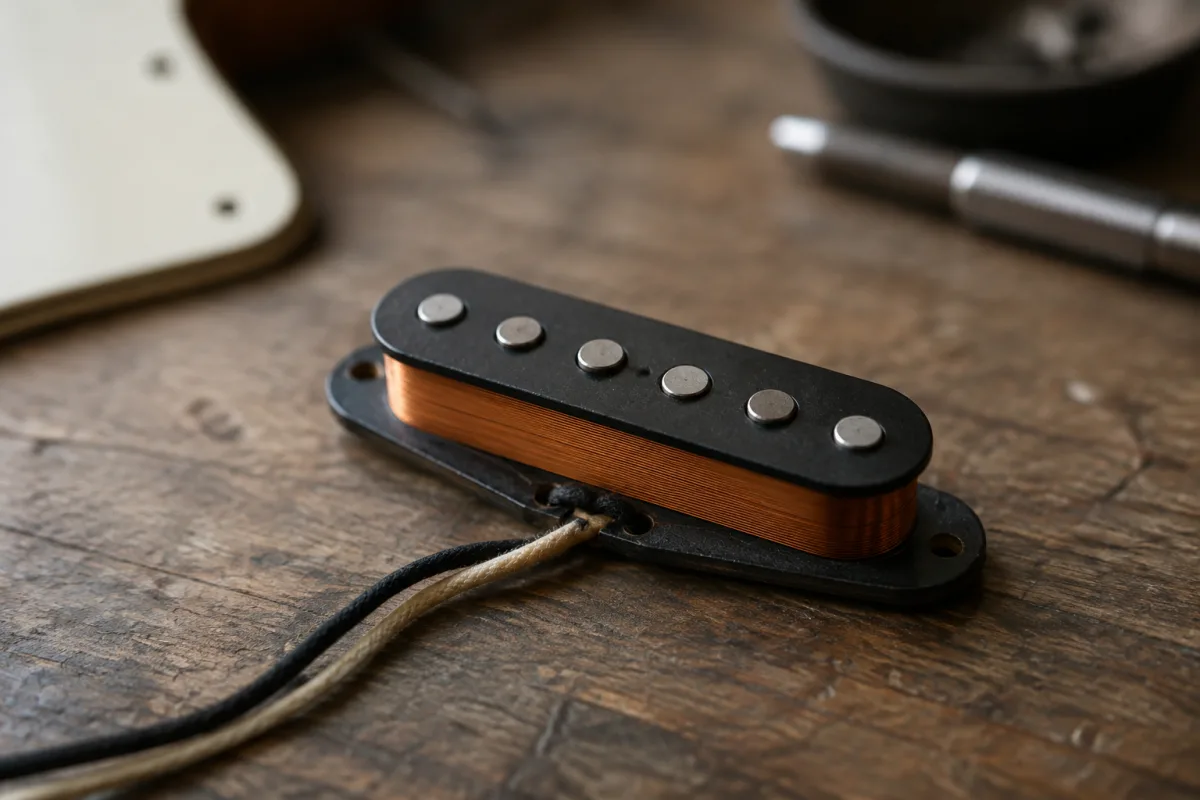
Upgrading or replacing your guitar pickups transforms your instrument's voice, and single-coil pickups offer some of the most versatile options available. Whether you're upgrading a Stratocaster, Telecaster, or building a custom guitar, choosing single-coil guitar pickups requires understanding output levels, construction quality, and how specifications translate into actual playing experience. This guide walks you through the practical considerations that matter when selecting new pickups.
Output Level: Finding Your Tone Range
Single-coil guitar pickups vary dramatically in output strength, measured in millivolts (mV). Output determines how hard your pickup drives an amplifier and fundamentally affects your tone. Understanding the range helps you choose correctly:
- Vintage Output (5.2-5.8 kΩ, 180-220 mV): These guitar pickups single coil models recreate classic tones—think Fender 1950s-60s. Vintage output delivers clarity and bell-like resonance, staying transparent even with high gain. Choose vintage output if you play blues, classic rock, or genres requiring articulate clean tones. These work excellently with tube amps.
- Mid-Range Output (5.8-6.5 kΩ, 220-280 mV): The versatile sweet spot for most players. Single-coil guitar pickups in this range handle both clean and moderately overdriven tones, making them ideal for players who switch between styles. The extra output pushes amps slightly more than vintage versions without sacrificing clarity.
- Hot Output (6.5-7.2 kΩ, 280-350 mV): Designed for heavier music and modern rock, hot single-coil guitar pickups provide aggressive tone and exceptional sustain. Note: hot pickups work best with solid-body guitars; paired with semi-hollow designs, they can generate feedback at high volumes.
Construction Quality: Materials That Matter
Not all single-coil guitar pickups sound identical even at the same output level. Construction details significantly affect tone and durability:
- Magnet Type: Single-coil guitar pickups use either Alnico or ceramic magnets. Alnico (an aluminium-nickel-cobalt alloy) produces warmer, more musical tones but costs more. Ceramic magnets offer brighter character and greater output at lower cost. Mid-range and budget single-coil guitar pickups typically use ceramic; premium models favour Alnico.
- Pole Piece Design: Staggered pole pieces (higher under treble strings, lower under bass strings) provide balanced volume across all strings without requiring bridge adjustment. Flat pole pieces require careful setup but some players prefer the resulting tone character. Check whether your single-coil guitar pickups feature staggering—it matters for playability consistency.
- Wire Gauge and Winding Tightness: Thicker wire and tighter winding typically yield higher output but potentially narrower frequency response. Looser winds can colour the tone significantly. Premium single-coil guitar pickups specify these details; budget options often don't, making comparison difficult.
- Cover Material: Covered single-coil guitar pickups (with metal covers) sound slightly darker and warmer than covered versions, absorbing high-frequency content. Uncovered pickups deliver maximum brightness. This is purely aesthetic and tonal preference—both approaches work excellently.
Price Tiers and Performance Reality
| Price Range | Typical Output | Construction | Best Applications |
|---|---|---|---|
| £30-60 (Budget) | Mid-range to hot | Ceramic magnets, basic construction | Student guitars, backup instruments, experimentation |
| £60-120 (Mid-Range) | Vintage to hot | Alnico magnets, quality winding | Working musicians, professional studios, regular gigging |
| £120-200+ (Premium) | Vintage to hot | Hand-wound, premium magnets, meticulous construction | High-end instruments, demanding players, custom builds |
Brand Reputation and Sonic Character
Certain manufacturers have established consistent sonic signatures. When shopping for single-coil guitar pickups, brand reputation often correlates with predictable tone quality:
- Classic Fender-style designs work with most single-coil guitar pickups. Aftermarket options from Seymour Duncan, DiMarzio, and Lollar sound noticeably different from stock but follow proven design principles.
- Boutique manufacturers produce distinctive single-coil guitar pickups with unique characteristics. These command premium prices but offer distinctive voices unavailable elsewhere.
- Chinese-manufactured budget pickups vary wildly in quality. Read reviews from trusted sources and watch comparison videos before committing.
Compatibility and Installation Considerations
Before ordering single-coil guitar pickups, verify several compatibility factors:
- Size and Mounting: Most single-coil guitar pickups follow standard Fender specifications, but custom guitars sometimes use non-standard mounting. Measure your existing pickups or verify your guitar's specifications before ordering.
- Wiring and Output: Some single-coil guitar pickups require shielded cable or specific wiring configurations. Premium pickups often include detailed documentation. Budget options may not—ask questions before ordering.
- Installation Skill: Pickup replacement ranges from straightforward (uncoupling the existing wires and dropping in replacements) to complex (requiring soldering and wiring). Be honest about your technical ability. Professional installation by a luthier costs £50-100 but prevents damage to valuable guitars.
Common Buying Mistakes to Avoid
- Ignoring Impedance Mismatch: Single-coil guitar pickups from different manufacturers have different impedance ratings. Mixing very different output levels between neck and bridge pickup creates tonal inconsistency and volume imbalance.
- Overlooking Treble Bleed Circuits: Some single-coil guitar pickups need treble bleed circuits added to your guitar's wiring to prevent tone dulling when rolling back volume. Check specifications—good pickup manufacturers clarify this.
- Selecting Based on Specs Alone: A single-coil guitar pickups with identical specifications to another can sound completely different depending on magnets, winding density, and construction details. Spec sheets don't tell the full story—listen to audio samples and comparisons.
- Assuming More Expensive Equals Better: A £200 hand-wound pickup may not improve your tone compared to a £90 option if your guitar and amp don't match their characteristics. Expensive doesn't guarantee compatibility with your playing style.
- Ignoring Guitar Setup: New single-coil guitar pickups sometimes require action or bridge adjustments for optimal pole-piece positioning. A properly set-up guitar with budget pickups often sounds better than poorly positioned premium pickups.
Testing Before Committing
Many guitarists find single-coil guitar pickups through trial and error, learning expensive lessons. Minimise risk by testing before ordering sets for your primary guitar. Request samples or demos from retailers. Watch comparison videos of your specific guitar model with your target pickups installed. Some forums allow members to loan pickups for testing—explore these communities before spending significantly.
For a comprehensive overview of single-coil guitar pickup technology, specifications, and detailed comparisons, explore the complete guide to single-coil guitar pickups.
Making Your Decision
Your ideal single-coil guitar pickups depend on your amp, playing style, and guitar construction. Vintage output suits clean tones and traditional genres; mid-range handles versatility; hot output drives modern rock and heavy music. Build a test case with a mid-range option at reasonable cost. If you play professionally or record frequently, investing in quality pickups pays dividends through improved tone and instrument value. Document your before-and-after experience—you'll develop intuition for what your ears actually need from new single-coil guitar pickups.


Comments