


Gibson Guitar Pickups article
Gibson Guitar Pickups for Beginners: A Complete Guide
Gibson guitar pickups are legendary for warm, full tone. This beginner's guide explains what pickups do, why Gibson pickups matter, how to know if you need an upgrade, and first steps toward upgrading with confidence.
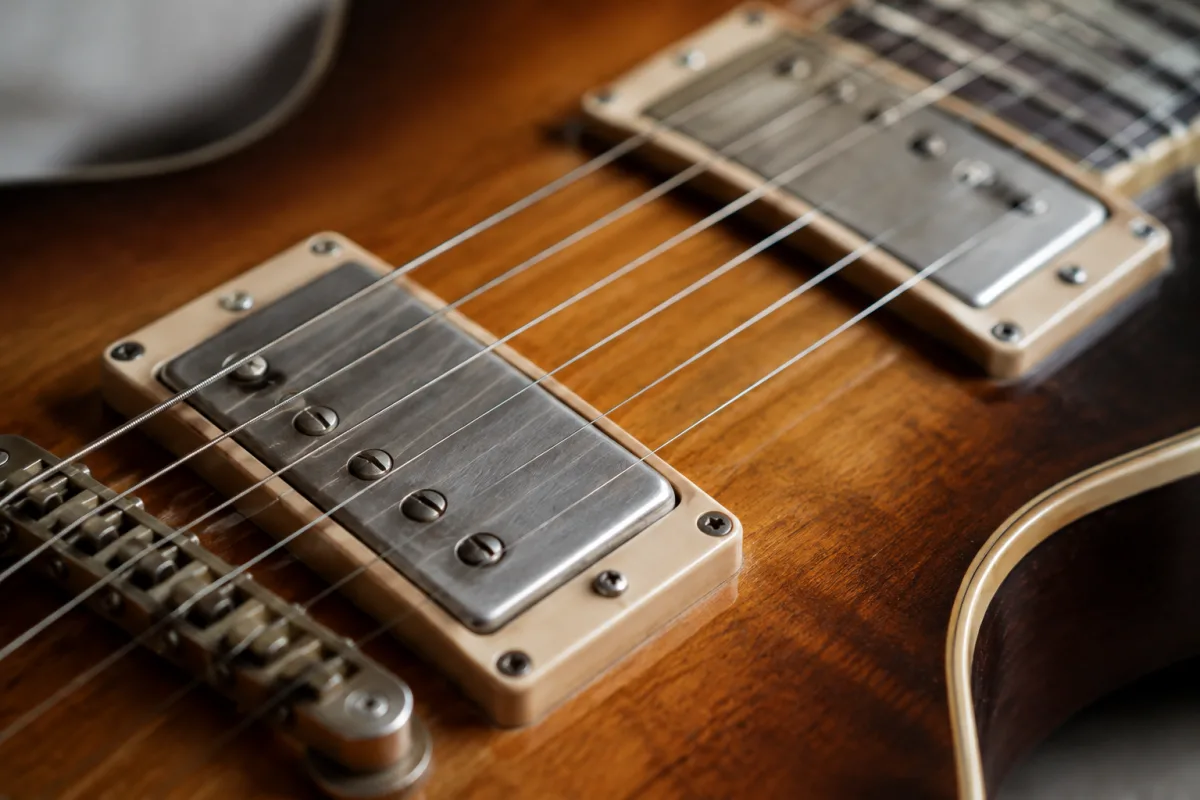
If you've been playing guitar for a few months and started wondering whether your guitar's pickups are holding back your sound, you've already asked the right question. Gibson guitar pickups are legendary in rock and blues, and they're often the first upgrade beginners consider when they want their guitar to sound warmer and fuller. This guide is for guitarists like you—not yet experts, but ready to understand what pickups do and whether a Gibson upgrade makes sense for you. We'll skip the technical deep dive and focus on what actually matters: what you'll hear, how an upgrade changes your playing, and how to take the first confident step.
What Does a Pickup Actually Do? The Beginner Version
A pickup is a magnet wrapped in copper wire that sits under your guitar's strings. When you pluck a string, the pickup senses the vibration and converts it into an electrical signal that travels to your amplifier. Different pickups have different magnets, different coil wrappings, and different positions—and all these variables change how your guitar sounds. A weak, shrill tone might become warm and full with the right pickup. A thin guitar can suddenly feel powerful. This is why pickup upgrades are one of the smartest investments a guitarist can make. You're not changing the guitar's body or neck—just the electrical component that shapes your tone. And Gibson guitar pickups have a reputation for being warm, full, and responsive to dynamics, which makes them a natural choice when you're upgrading for the first time.
Why Gibson Pickups Sound the Way They Do
Gibson has been making guitar pickups for almost 100 years. Their classic humbucker design—which uses two coils instead of one—is thicker and warmer than the single-coil pickups you'd find in a Fender Stratocaster. Gibson pickups use larger magnet structures, which is partly why they have that full, meaty tone. If you've heard classic rock, blues, or jazz guitar solos, you've probably heard Gibson pickups. They suit genres where tone warmth and sustain matter more than bright sparkle. But here's the thing: Gibson isn't just a name slapped on pickups. The company tests its pickups rigorously, so you know you're getting consistent quality. When you see "Gibson" on a pickup, it means someone in Wisconsin or Nashville (depending on the model) actually tested that unit before it left the factory.
Gibson Guitar Pickups for Different Styles
Gibson makes several pickup families, and each suits different styles. If you play blues, rock, or classic rock, a Gibson Classic humbucker is a warm, slightly vintage-sounding choice that sounds great at low volumes and really sings when you turn up. If you play modern rock or metal, a Gibson PowerGlide or similar high-output model has more aggression and sustain. Jazz players often love vintage Gibson pickups because they're forgiving—they clean up when you back off the volume and add character without being shrill. The point is: you don't need to know everything about Gibson's lineup. You just need to know your music style, and then tell a guitar shop "I play [your style], and I want a warmer, fuller Gibson sound." That's enough to get pointed in the right direction. The staff will do the hard work of matching the right pickup to your music.
How to Know If You Actually Need an Upgrade
Not every guitarist needs new pickups. If you're still developing your ear, you might not hear the difference clearly at first. But here's a practical test: play through someone else's guitar with quality pickups, then go home and play yours. If their guitar sounds noticeably warmer, fuller, or more responsive, your pickups might be the reason. Another sign: your guitar sounds thin or harsh, even through a good amplifier, and adjusting amp settings doesn't help. Budget guitar pickups often lack clarity and tone definition. Upgrading to Gibson guitar pickups can fix this. But if your guitar already sounds good and you're happy with it, there's no rush to upgrade. An upgrade should enhance what you already like about your tone, not fix a broken sound. If your sound is truly broken, the problem might be your amp, your cables, or how you're playing—not necessarily your pickups. Do some real-world listening before committing to an upgrade.
The Beginner's Path: First Steps Toward an Upgrade
If you've decided to explore Gibson guitar pickups, here's how to approach it without feeling overwhelmed. First, listen to YouTube demos of Gibson pickups in your style of music. Hearing them in action builds your confidence and familiarity. Second, visit a local guitar shop and ask to play a guitar with Gibson pickups. You don't have to buy that day—just play it and pay attention to how it feels and sounds. Third, talk to experienced players of your style and ask what Gibson pickups they use. You'll get honest feedback about real-world performance. Fourth, once you've narrowed your choice, research the installation. Gibson pickups are typically easy to swap into most guitars, but if you're not comfortable with soldering, a technician can do it for £30–50. That's a small investment that protects your guitar and your confidence.
Common Beginner Worries About Upgrading Pickups
- Will new pickups ruin the value of my guitar? No. If your guitar is a budget model, upgrading the pickups actually increases its value and playability. Quality pickups are one of the smartest upgrades you can make.
- Will I damage my guitar by swapping pickups? Unlikely. It's a simple swap involving a few screws and some soldering. Any guitar technician can do it safely, and you'll get your old pickups back if you ever want them.
- Won't Gibson pickups make my guitar too dark or muddy? Not if you choose the right model for your guitar. A Gibson pickup should enhance your tone, not muddy it. You might need a very slight amp EQ adjustment, but that's normal.
- How much will it cost? A set of Gibson guitar pickups ranges from £60 to £200+, depending on the model. Installation by a technician adds another £30–70. It's an investment, but it's less than a decent effects pedal or a new guitar strap.
- Will I hear an immediate difference? Yes, if you've got the right pickups for your guitar. Plug in, turn up, and play. You'll notice warmth, sustain, and responsiveness that your old pickups didn't have.
Starting Your Upgrade Journey
Upgrading to Gibson guitar pickups is a milestone for beginner and intermediate guitarists. It's when you realise that tone isn't something you buy fully formed—it's something you build by making informed choices about your gear. Gibson pickups have a century of reputation backing them, which means you're making a safe choice. You're not buying into a trend. You're buying into a proven tone that countless professional musicians have trusted for decades. Start by listening, then try one in a shop, then talk to other players. By the time you order your Gibson guitar pickups online or visit your local shop, you'll know exactly why you're upgrading and what to expect. That confidence makes the whole experience better. For a deeper dive into pickup technology, tone shaping, and comparisons with other brands, see our complete guide to Gibson guitar pickups. But honestly? You've already got what you need to take the first step. Trust your ear, ask questions, and enjoy the journey.



Comments