
Jazzmaster Guitar Bridge article
The Complete Guide to Jazzmaster Guitar Bridge
The Jazzmaster guitar bridge is a vintage floating design that offers unique tonal character but requires careful setup. Understand its mechanics and how to maintain or upgrade it for reliable performance.
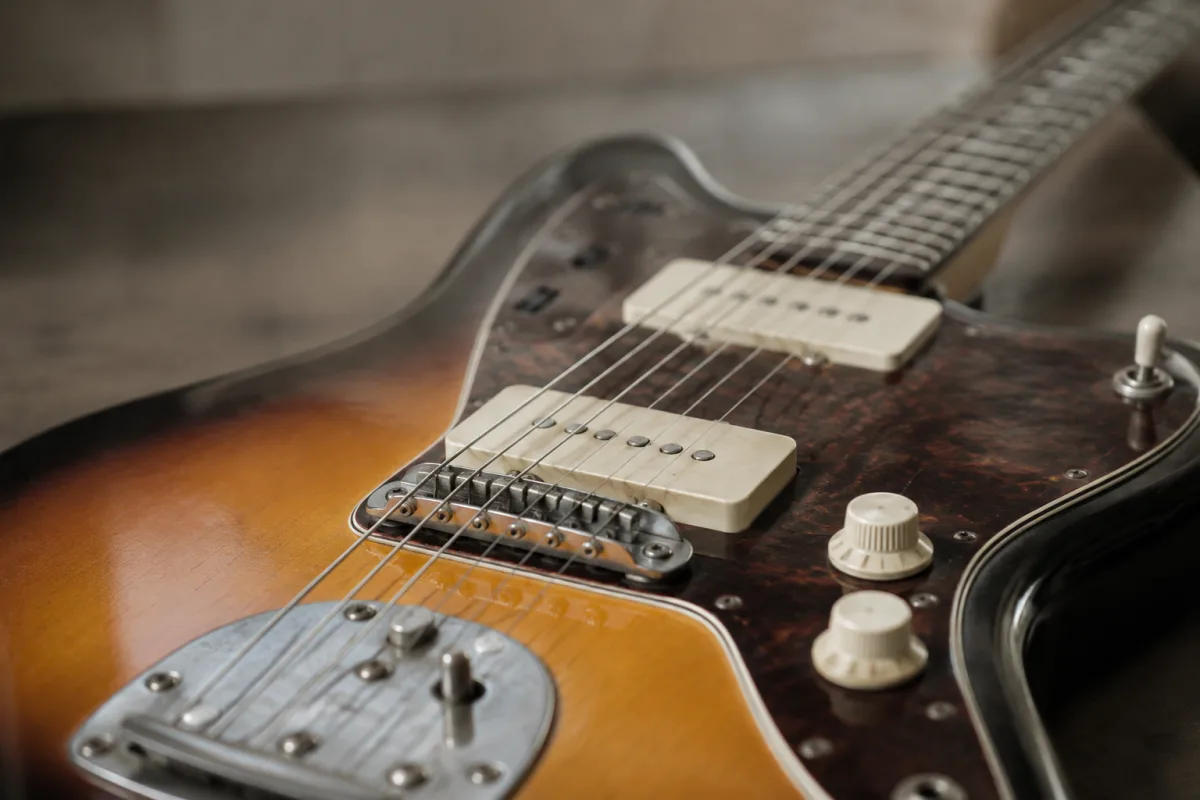
The Jazzmaster is an underrated vintage instrument with a distinctly retro aesthetic and modern appeal. Central to its character is the distinctive bridge design—quite different from Stratocasters or Telecasters. Understanding the mechanics and quirks of a Jazzmaster guitar bridge is essential for anyone playing or considering one of these beautiful instruments.
What Makes a Jazzmaster Guitar Bridge Different?
Fender introduced the Jazzmaster in 1958, targeting jazz musicians who wanted an alternative to heavy semi-hollow bodies. The original Jazzmaster guitar bridge was designed with a unique floating mechanism—rather than being bolted directly to the body like a Strat, it sits on two pivot points and incorporates an independent vibrato system.
The most distinctive feature is the bridge's offset design and its integration with Fender's "dynamic vibrato" (often called the Jazzmaster vibrato). This made the Jazzmaster guitar bridge fundamentally different from any other Fender electric guitar. The bridge sits loosely on the body, stabilised by pressure from the strings rather than fixed mechanical anchoring, which gives it a particular tonal character and playing feel.
How the Bridge Works
A traditional Jazzmaster guitar bridge operates on two main pivot points mounted on the guitar's body. The bridge itself rocks on these points when the vibrato arm is engaged. The strings pass over the bridge saddles and then anchor to the vibrato system's tailpiece. This is quite different from most modern electric guitars, where strings anchor directly to the body.
The offset intonation design of the Jazzmaster guitar bridge means that the bridge's front edge (where strings make contact) is positioned closer to the bridge mounting points than on a standard Strat. This design choice affected intonation and required specific setup considerations that still matter today.
Common Problems and Setup Issues
The Jazzmaster guitar bridge, whilst beautiful and characterful, presents unique challenges for players and luthiers. The floating design means the bridge can shift unexpectedly if strings go slack or if the guitar receives a knock. Many players experience tuning instability because the entire bridge assembly can rock slightly with string tension changes.
Intonation is notoriously tricky on a Jazzmaster guitar bridge. The bridge saddles are typically short metal ramps, and getting them positioned correctly requires patience and understanding of the offset geometry. Players report that even small adjustments to the Jazzmaster guitar bridge position can significantly affect intonation across different frets.
String breakage is another common issue. The original Jazzmaster guitar bridge design used sharp edges where strings bend over the saddles, and some players experience premature breakage compared to modern bridge designs.
Modifications and Upgrades
Many players find workarounds to address the Jazzmaster guitar bridge's quirks. The most common modification is installing a mastery bridge or other aftermarket replacement that offers better tuning stability and intonation accuracy. These upgrades maintain the aesthetic of the original but use modern materials and engineering.
Some players modify the Jazzmaster guitar bridge by adding weight or changing the pivot points' resistance to reduce unwanted rocking. Others upgrade the vibrato system separately, though this changes the playing experience considerably.
A practical solution many enthusiasts prefer is blocking the Jazzmaster guitar bridge's vibrato system—either by removing the vibrato arm entirely or by adding stoppers to prevent it from moving. This eliminates tuning issues related to vibrato use whilst keeping the original vintage appearance.
Playing Style and the Bridge's Impact
The unique properties of a Jazzmaster guitar bridge significantly influence playing experience. The reduced contact pressure compared to modern bridges can affect sustain and tone. Some players love the bright, slightly percussive character; others find it limiting for heavy styles.
Vibrato technique matters immensely on a Jazzmaster guitar bridge. Gentle, deliberate movements work best; aggressive vibrato use can cause intonation problems and tuning drift. Professional players who use Jazzmasters often develop a signature subtle vibrato style specific to the Jazzmaster guitar bridge's capabilities.
The floating nature of the Jazzmaster guitar bridge also means that string gauge choice is important. Heavier strings provide more stability and pitch consistency, whilst lighter gauges risk pitch drift during playing.
Vintage vs. Modern Jazzmasters
Vintage Jazzmaster guitar bridge designs from the 1960s and 1970s vary slightly—some feature zinc saddles, others brass—and each responds differently to string vibration. Fender's modern reissues have attempted to balance authenticity with playability, though many players still prefer aftermarket bridges over the stock Jazzmaster guitar bridge on contemporary models.
Some collectors specifically seek vintage units because of bridge improvements made during certain production periods. Understanding the evolution of the Jazzmaster guitar bridge design is part of appreciating the instrument's history.
Setting Up Your Jazzmaster Guitar Bridge
Proper setup of a Jazzmaster guitar bridge requires attention to several factors. First, ensure the bridge is sitting evenly on both pivot points. Next, check that saddle height is correct—typically requiring the front saddle to sit slightly lower than the rear due to the offset geometry of the Jazzmaster guitar bridge.
Intonation adjustment on a Jazzmaster guitar bridge is typically done by moving the bridge forward or backward along the body, rather than individual saddle positioning as on modern guitars. This requires patience and understanding of the instrument's geometry.
Many players working with a Jazzmaster guitar bridge find that professional setup yields the best results. The unique design means that standard guitar setup knowledge sometimes needs adaptation.
The Bottom Line
The Jazzmaster guitar bridge is a distinctive part of what makes these instruments special. While it requires more careful maintenance and understanding than modern bridge designs, the vintage aesthetic and unique tonal character have inspired generations of players. Whether you're playing a vintage original or a modern reissue, respecting the Jazzmaster guitar bridge's quirks and working with them—rather than against them—leads to an instrument that rewards careful attention with tone and playability that's genuinely different from the electric guitar mainstream.


Comments