


Gretsch Drum Company article
Gretsch Drum Company for Beginners: A Complete Guide
Gretsch drums inspire confidence and sound beautiful, but beginners wonder if the investment is justified early in their drumming journey. This guide explains why Gretsch quality matters and how to start thoughtfully.
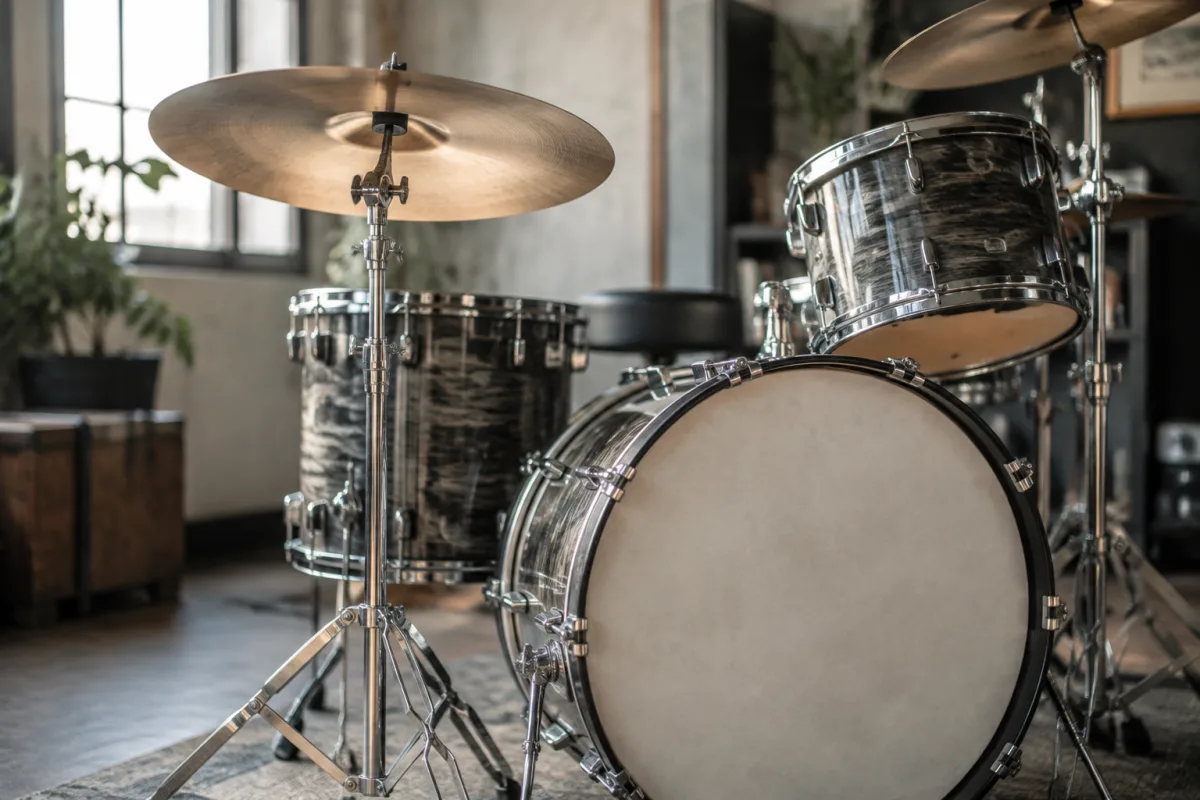
If you're exploring drums and encountering the Gretsch name, you're looking at an instrument brand with genuine history and reputation. Gretsch drums sound beautiful and inspire confidence in new drummers. But beginning drummers often wonder if Gretsch is right for them, whether they can afford it, and whether it justifies the investment early in their drumming journey. This guide addresses those practical questions and shows you how to start with Gretsch thoughtfully.
Who Is Gretsch and Why Does It Matter?
Gretsch has made drums since 1883, building instruments used by legendary drummers across jazz, rock, and pop. This long history isn't nostalgic marketing—it represents consistent refinement and proven quality. When you play a Gretsch drum, you're touching an instrument pedigree that spans generations.
For beginners, this matters because proven quality means your drum reacts predictably. You're not struggling with peculiar tuning issues or inconsistent tone. You can focus on technique rather than compensating for equipment limitations. This confidence accelerates learning significantly.
Why Beginner Drummers Consider Gretsch
Gretsch entry-level kits (typically £1,200-£2,500) deliver notably better tone than similarly-priced competitor kits. The shells sound focused and musical. Cymbals included in Gretsch packages are higher quality. Build quality feels substantial—you're holding an instrument, not plastic assembled hastily.
New drummers using Gretsch report that learning drum techniques feels more rewarding. Good-sounding drums motivate continued practise. There's genuine psychology here—playing something that sounds excellent from day one makes you want to keep playing. Thin, poor-sounding drums create frustration and early abandonment.
Entry-Level vs. Professional Gretsch Kits
Gretsch's "USA Custom" line represents the brand's premium offering—expensive, exquisitely crafted, and honestly unnecessary for beginners. Gretsch's "Catalina" and "Energy" series target developing players and represent significantly better value. You get authentic Gretsch quality at prices befitting your current commitment level.
A Catalina kit (typically £1,500-£2,000) delivers 85% of what a USA Custom offers at perhaps 40% of the price. This is a reasonable trade-off for someone establishing whether drumming will be lifelong passion or casual interest. Once you've committed to years of drumming, upgrading to premium equipment makes sense.
What You Get With a Gretsch Beginner Kit
Standard beginner kits include bass drum, tom-tom, floor tom, and snare. Gretsch kits pair these with quality hardware and respectable cymbals. This completeness means you can open the box, assemble everything, and start playing immediately. You're not shopping separately for every component or discovering you're missing pieces.
The cymbals included in Gretsch packages are often overlooked by excited beginners. These aren't cheap cymbals masquerading as quality—they're legitimate, musical-sounding cymbals that encourage developing good cymbal technique. Many beginner cymbal sets sound terrible and actually impede learning proper technique. Gretsch doesn't make that mistake.
Financial Considerations for Beginners
Buying a Gretsch kit requires genuine financial commitment. £2,000 is substantial money for a teenager or adult beginning a new hobby. This investment naturally creates some anxiety: what if you don't continue? What if you discover drumming isn't for you?
Consider this: a quality used Gretsch kit retains 50-60% of purchase value. You can recoup substantial investment if you eventually sell. Conversely, cheap kits become worthless quickly and you've actually spent more money through repeated replacements. A sensible financial approach is buying a Gretsch kit, committing to 12 months of regular practise, then reassessing.
Many music shops offer payment plans for beginner instrument purchases. Spreading payments across 12-24 months makes investment more manageable and naturally aligns with evaluating whether you're committed to drumming.
Common Beginner Concerns About Gretsch
Concern 1: "I'm Not Good Enough Yet." This misconception keeps many talented potential drummers from starting. You don't learn to deserve good equipment—you deserve good equipment to learn better. Quality instruments accelerate learning and inspire continued practise. Buy the kit you'll love playing, not the disposable kit you'll abandon.
Concern 2: "Professional Drummers Use Gretsch, So It's Too Advanced." Professional use reflects quality, not complexity. A Gretsch kit plays exactly like any other drum kit—same tuning mechanism, same technique, same learning curve. You're not operating a more complex machine; you're simply starting with something that sounds better.
Concern 3: "Maybe I Should Start With Something Cheaper." This is reasonable financially, but consider the learning experience. A poor-sounding kit creates false feedback about your playing. You can't tell if you're hitting poorly or if the drum sounds bad inherently. A quality Gretsch kit provides honest feedback that develops better technique.
Setting Up Your First Gretsch Kit
Assembly is straightforward. Mounting tom-toms on the bass drum, positioning the snare stand, arranging cymbals—all use intuitive mechanical connections. Most beginners assemble kits successfully without manuals through simple logic.
Tuning requires more patience. Gretsch kits ship tuned but you'll adjust tuning for tone preferences and as you develop technique. Learning proper tuning technique transforms a decent-sounding kit into an exceptional-sounding one. This skill takes time but rewards consistency with dramatic tonal improvement.
Finding Community and Support
Starting with Gretsch connects you to an enormous community of drummers—beginners, hobbyists, and professionals all using the same instruments. This community shares advice, technique tips, and encouragement freely. YouTube is full of Gretsch-specific tutorials. Online communities are welcoming to beginners.
Many drum teachers actively recommend Gretsch for beginners specifically because the brand's reputation makes learning easier and because their experience with Gretsch equipment means better teaching.
The Long-Term Perspective
A Gretsch kit purchased today as a beginner can remain excellent 20 years from now. The instrument doesn't become obsolete or limited. Drumming legends use instruments from decades ago and sound contemporary. Investing in Gretsch is investing in an instrument that grows with you rather than something you'll discard in two years.
For more comprehensive information about Gretsch drums and their features, explore our complete guide to Gretsch drums, which covers their full range and specifications.
Making Your Decision
If drumming genuinely appeals to you, prioritise instrument quality over price. Gretsch beginner kits represent honest value—you're investing in quality that lasts, inspires, and grows with you. Play the kit at a music shop if possible. Feel the responsiveness. Hear the tone. If you love it, that emotional connection predicts long-term commitment. Start with equipment you genuinely love playing rather than settling for acceptable compromise. Drumming rewards that investment significantly.


Comments