


Gretsch Acoustics Buying guide
Gretsch Acoustics: A Complete Buyer's Guide
Gretsch acoustics are prized for their bright tone and distinctive design. This guide helps you understand the brand, compare price tiers, and find your perfect model.
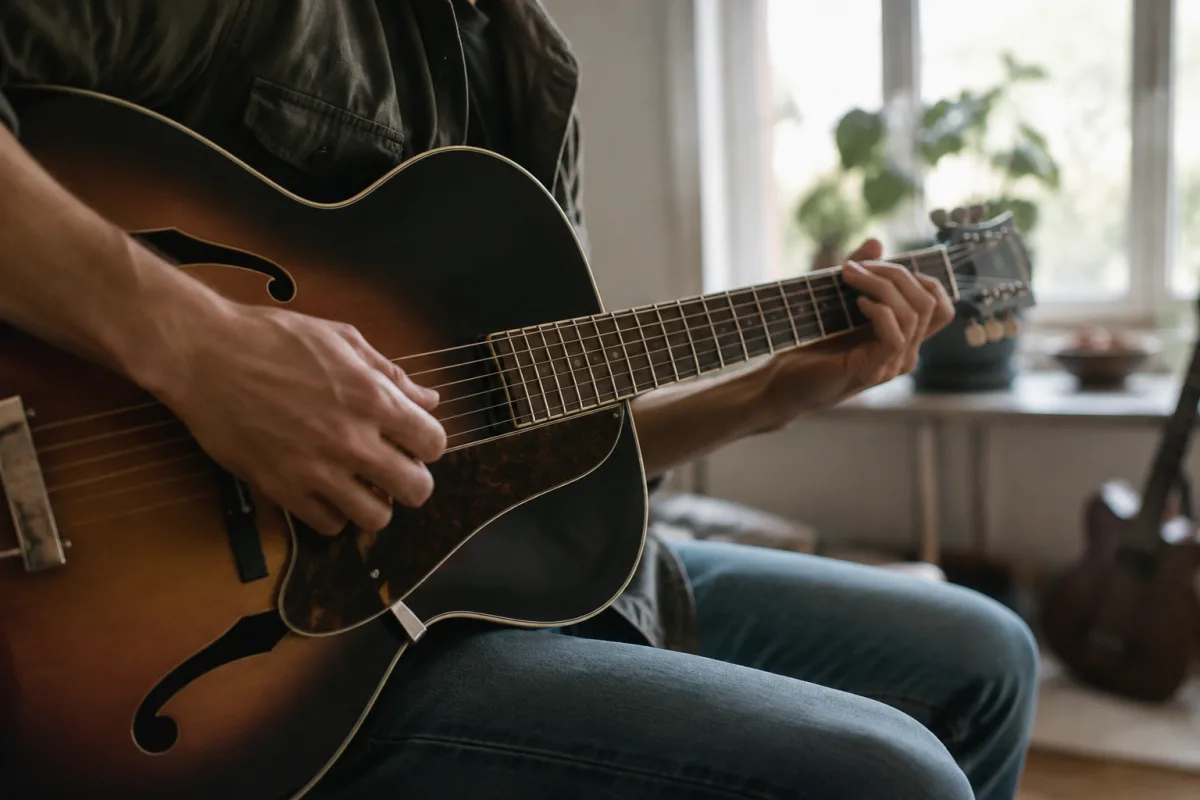
they carry a storied legacy of American craftsmanship and distinctive tone. Known for their resonant, bright character and eye-catching designs, Gretsch acoustic guitars appeal to players seeking vintage-inspired tone and quality construction. This buying guide helps you understand what makes they special, what to expect at different price points, and how to choose the right model for your needs.
Why Gretsch Acoustics Stand Out
they earn their reputation through specific design choices and tonal characteristics. Understanding what distinguishes they helps you decide if they match your playing style.
Distinctive bright tone
they are renowned for their bright, articulate tone. The combination of tonewoods and bracing produces clarity and sparkle that cuts through a mix. This makes they ideal for fingerstyle, folk, country, and bluegrass where definition matters.
Iconic design
they feature instantly recognisable aesthetics: dramatic cutaway shapes, distinctive binding, and often eye-catching colours or finishes. Buying they means investing in an instrument that looks as good as it sounds.
Heritage and playability
Decades of refinement mean they arrive with strong playability. Setup is typically excellent, and the necks feel smooth and fast. Many players find they a pleasure to hold and play for hours.
Price Tiers for Gretsch Acoustics
they are available across a range of budgets. Understanding what you get at each tier helps you make a smart purchase when making this purchase.
£400–600: Entry-level they offer good construction and authentic Gretsch tone in an affordable package. These models are solid for learning and casual playing.
£600–1,200: Mid-range they feature superior tonewoods, refined construction, and enhanced playability. This tier suits serious hobbyists and gigging musicians.
£1,200–2,500: Premium they deliver high-end materials, expert craftsmanship, and exceptional tone. These instruments hold their value and reward skilled players.
£2,500+: Professional and signature they represent the pinnacle of the brand. Rare tonewoods, hand-built quality, and collector appeal justify the premium.
Key Specs to Check When Buying Gretsch Acoustics
Several specifications influence the final sound and playability of they:
Tonewood selection
they typically feature solid tops paired with laminate or solid backs and sides. Higher-end they use all-solid construction with premium woods like Sitka spruce tops and Indian rosewood backs. These choices profoundly affect tone brightness and sustain.
Body size and cutaway
they come in various sizes — concert, dreadnought, and jumbo. Larger they produce more volume; smaller versions offer portability and comfort. Cutaway versions sacrifice some volume but provide easier access to high frets.
Bracing pattern
The internal bracing structure influences how they vibrate and resonate. X-bracing is traditional and produces warm tone; other patterns offer different tonal characteristics. When buying they, consult the specifications to understand the bracing design.
Electronics and hardware
Some they include built-in pickups and tuners for live performance. Quality hardware ensures tuning stability. Check bridge and tuning machine construction on any they you're considering.
Popular Gretsch Acoustics Models
A few standout models exemplify what they offer:
- Gretsch G9500: An affordable entry point for they, offering authentic tone and solid construction.
- Gretsch Synchromatic: A mid-range favourite among they players, known for bright tone and fast playability.
- Gretsch 6120: A semi-acoustic icon that bridges electric and acoustic, ideal for players wanting hybrid they.
- Gretsch Chet Atkins: A premium signature series representing the pinnacle of they craftsmanship.
Buying Tips for Gretsch Acoustics
Several strategies ensure you get the best value when making this purchase:
Play before purchasing
they vary significantly between individual instruments. Visit a shop, test several they models, and choose the one that resonates best with you. Tone preferences are personal; what sounds great to one player may not suit another.
Check setup quality
Well-setup they are playable and inspiring; poorly-setup ones frustrate learners. Inspect action height, fret condition, and bridge integrity on any they you're considering. Budget £50–100 for professional setup if needed.
Consider used models
Vintage and used they often outperform new budget models in tone and playability. A 1970s or 1980s they model at £300–500 can be a bargain compared to new entry-level versions. Always have used they inspected for structural integrity.
Avoid overpaying for aesthetics
they are visually distinctive, and rarer colours or finishes command premiums. If appearance matters less than tone, choose simpler finishes when making this purchase and save money.
Common Pitfalls When Buying Gretsch Acoustics
Avoid these mistakes when purchasing they:
- Assuming all they sound identical: Individual instruments vary. Tone and playability differ even within the same model line.
- Overlooking setup quality: A perfectly-made guitar with poor setup plays terribly. Professional setup is money well spent on they.
- Buying purely for resale value: they hold value reasonably well, but speculating on appreciation is risky. Buy the model you'll actually play.
- Neglecting bridge and hardware: they depend on stable bridges and quality hardware. Cheap tuning machines on otherwise fine instruments compromise tuning stability.
Conclusion
they reward serious players seeking distinctive tone and quality construction. Their bright, articulate character suits fingerstyle, folk, country, and bluegrass genres beautifully. When buying they, test multiple instruments, verify setup quality, and choose based on how the guitar sounds and feels to you personally. Whether you invest in an entry-level model or a premium instrument, they deliver playability and tone that justify their cost. Start at a price point that suits your budget and commitment level, and upgrade to higher-tier they as your skills and confidence grow.


Comments