


Gibson Sg Left Buying guide
Gibson Sg Left: A Complete Buyer's Guide
Buying a left-handed Gibson SG involves navigating a smaller market than right-handed models. This guide helps you make an informed purchase without settling for compromise.
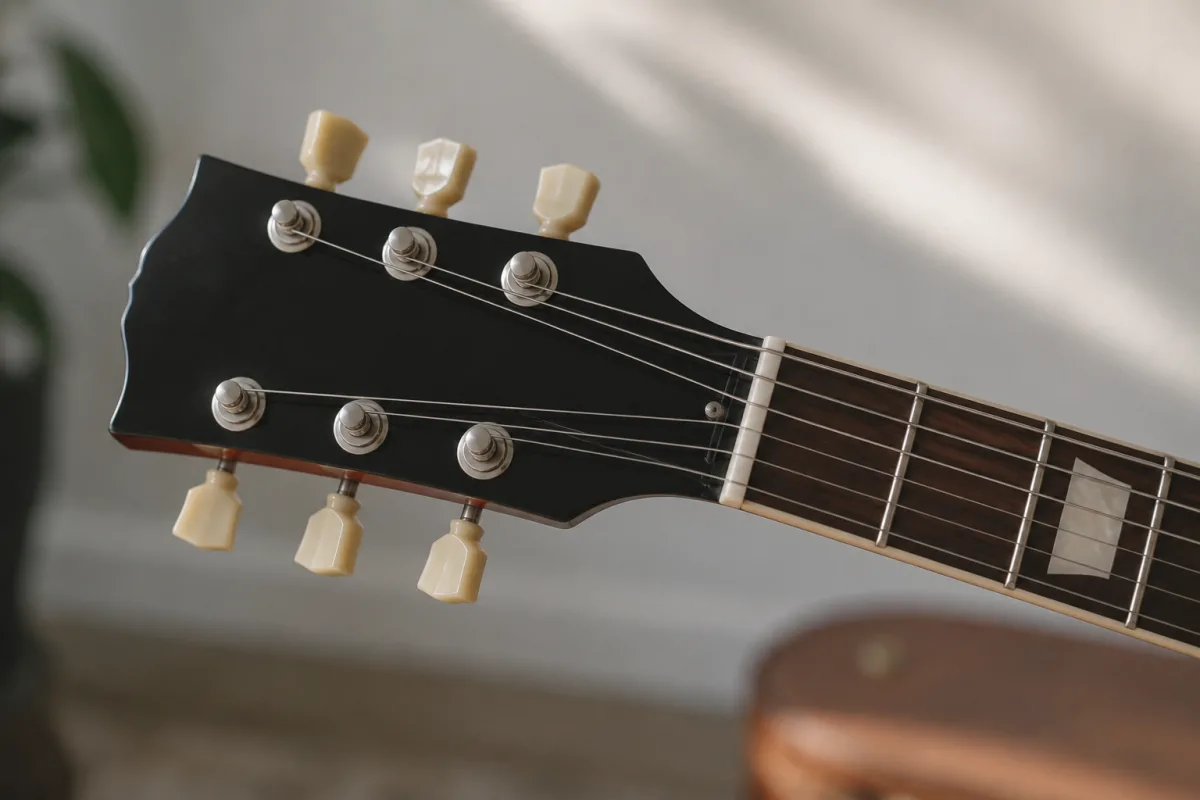
Finding a left-handed Gibson SG involves navigating a smaller market than right-handed models, but Gibson has maintained steady production of southpaw variants. Buying a Gibson SG Left requires understanding the specific challenges left-handers face and knowing which specifications matter most when inventory is limited. This guide helps you make an informed purchase decision without settling for compromise.
The Market Reality for Left-Handed Gibson SGs
Gibson produces left-handed SG models, but availability varies by year, finish, and trim level. Unlike some budget brands that limit left-handed options, Gibson recognises the left-handed market and includes several SG Left variants in their standard lineup. Expect fewer choices than right-handed versions—you'll have fewer finish options and may need to special-order rather than buy off-shelf stock.
Pricing is typically identical to right-handed equivalents, though delivery times may be longer. Don't settle for an overpriced used example simply because stock is tight. Patience and dealer support can secure a new left-handed SG at standard pricing, often delivered within a month.
Body Orientation and Comfort Confirmation
This seems obvious but matters significantly: left-handed SGs mirror-image the right-handed design. The upper horn now sits closer to your neck, and the lower horn extends past your waist when playing. Some left-handers habituate to a right-handed body held upside-down and restrung backwards. Don't make that mistake with a Gibson SG. Proper left-handed construction places the neck pickup closer to your neck and the bridge pickup toward the body's lower bout—the correct orientation for optimal ergonomics and playing comfort.
If ordering online, confirm with the dealer that the guitar is genuinely left-handed (neck on left, tuning pegs facing left) not merely a photo error or mislabelled stock. Request photos showing the headstock, tuning machines, and bridge from the correct angle to verify orientation before purchase.
Neck Joint and Access Concerns
Gibson SGs are renowned for neck access—the thin upper bout and absent headstock horns make fretting high notes comfortable. For left-handers, the ergonomics remain identical; the mirror-image construction preserves this advantage. Ensure the neck joint is tight; Gibson's quality control here is generally excellent, but any wobble or play at the neck-to-body junction indicates potential issues.
Inspect the heel carefully. The back of the SG neck should be perfectly smooth with no sharp edges or frets protruding beyond the fretboard edge. A sloppy fret at the heel irritates your hand during higher-position playing and signals poor setup or manufacturing defects.
Pickup Orientation and Wiring
Left-handed SGs feature pickups in identical positions to right-handed models—just mirrored. The neck pickup remains deeper in the body, delivering warmer tones, whilst the bridge pickup sits brighter. Gibson's standard SG Left models come with identical electronics to their right-handed counterparts: usually two humbuckers (typically 490/498T or modern ProBucker equivalents depending on the model year), a three-way selector, and volume/tone controls.
Confirm the control layout before buying. Most left-handed SGs mirror the right-handed control layout (controls still on the bass-side bout of the body), but wiring remains identical. Check that pots turn smoothly and the switch clicks positively without grinding.
Recognising Gibson SG Left Model Variants
Gibson offers several SG Left variants across different tiers. Entry-level Epiphone SG models are occasionally available left-handed and represent genuine value. The Gibson SG Standard Left begins Gibson's proper line and delivers excellent playability and classic SG tone. Gibson SG Custom Left models include binding, block inlays, and premium finishes. Higher-end Custom Shop SG Left guitars offer handcrafted quality.
Decide your budget tier first. A used Gibson SG Standard Left typically offers better value than a new Epiphone equivalent, whilst Custom Left models appeal to collectors and premium players. Budget approximately £600–£800 for a quality used Gibson SG Left, or £900–£1200 for new models.
Wood Quality and Finish Inspection
Gibson SG bodies are traditionally mahogany with a carved top—a construction method delivering beautiful aesthetic and tonal warmth. Inspect the grain carefully; it should display natural character without excessive figure (visible wood pattern variations are fine and add character). Avoid examples with dark stains that obscure grain or appear to hide defects.
Check the finish for consistency and depth. Gibson's nitrocellulose finishes age beautifully, but cheaply applied finishes appear thin and lack lustre. Run your hand over the body feeling for rough patches, dust trapped in finish, or areas where the finish appears uneven. The neck finish should feel smooth without thick buildup—a tacky neck finish is unpleasant to play daily.
Electrical Functionality and Pots
Test every switch, pot, and jack on the SG before purchase. The three-way selector should click positively at each position with distinct tonal changes. Both volume and tone pots should sweep smoothly across their range without scratching (crackling through an amp indicates dirty pot contacts). The output jack should grip cables firmly without looseness.
Request a close-up photo of the pot stamps or serial numbers if buying online. This helps date the instrument—Gibson's pot dates provide manufacturing year estimates. Be cautious of instruments with mismatched pot dates suggesting repair or parts replacement.
Common Pitfalls When Buying Left-Handed Gibson SGs
Avoid settling for a right-handed model expecting to adapt. Playing a backwards-strung instrument affects your tone, intonation, and playing development. It's false economy that wastes time and money. Don't purchase from sellers who don't understand left-handed requirements—miscommunication about orientation wastes weeks if the wrong-handed guitar arrives.
Watch for extremely cheap used examples suggesting hidden damage or extensive repair history. Gibson SG's collector value and quality mean realistic pricing for used examples. Suspiciously low prices often indicate fretwork issues, electronics failures, or refinished bodies (which reduce value significantly).
Avoid models with visible fret wear concentrated on three or four frets—this suggests the previous owner played a narrow range and may indicate fret crowning issues. Some wear is normal; uneven patterns signal potential fretting problems requiring expensive correction.
Setup Expectations for Left-Handed SGs
Budget £60–£120 for professional setup after purchase. Gibson SGs benefit from action height optimisation (SGs tend toward lower action by design) and intonation checking. Bridge saddle adjustment and nut inspection may be necessary, though Gibson's quality control usually minimises setup needs.
The truss rod should turn smoothly and responsively. Left-handed necks feature identical truss rod mechanisms—just accessed from the opposite side of the headstock. Confirm truss rod function before purchase; a frozen or grinding rod indicates potential structural issues.
Finding Left-Handed Stock
Major dealers (Thomann, Sweetwater, Andertons) maintain left-handed Gibson inventory and offer reliable support. Specialist retailers sometimes stock used left-handed SGs. Local guitar shops may special-order—building relationships with technicians helps secure left-handed examples before they're listed publicly.
Online auctions (eBay, Reverb) occasionally yield excellent left-handed deals, but inspect photos carefully and verify seller credibility. Request additional photos of specific areas before committing. Return policies matter significantly when shipping expensive instruments—deal only with sellers offering reasonable protection.
Comparison to Alternatives
For left-handed players, alternatives to Gibson SG Left include Fender Jaguars (if available left-handed), Epiphone SG models, or used vintage left-handed guitars. Modern Fender production rarely includes left-handed Jaguars, making them scarce. Epiphone SGs are more widely available left-handed but deliver noticeably less refined tone and playability than Gibson equivalents.
For more context about Gibson SG specifications and history, see our complete guide to Gibson SG Left.
Making Your Purchase Decision
A Gibson SG Left is an investment in an instrument you'll play comfortably for decades. Take time confirming orientation, inspecting condition, and verifying functionality. Don't compromise on left-handed orientation simply because stock is tight. The slight delay in sourcing a proper left-handed example is worthwhile for daily playing comfort and long-term satisfaction.



Comments