


Gibson Les Paul Left article
Gibson Les Paul Left for Beginners: A Complete Guide
Picking up a left-handed Gibson Les Paul for the first time is exciting—and a bit daunting. Here's what you actually need to know to start your journey confidently.
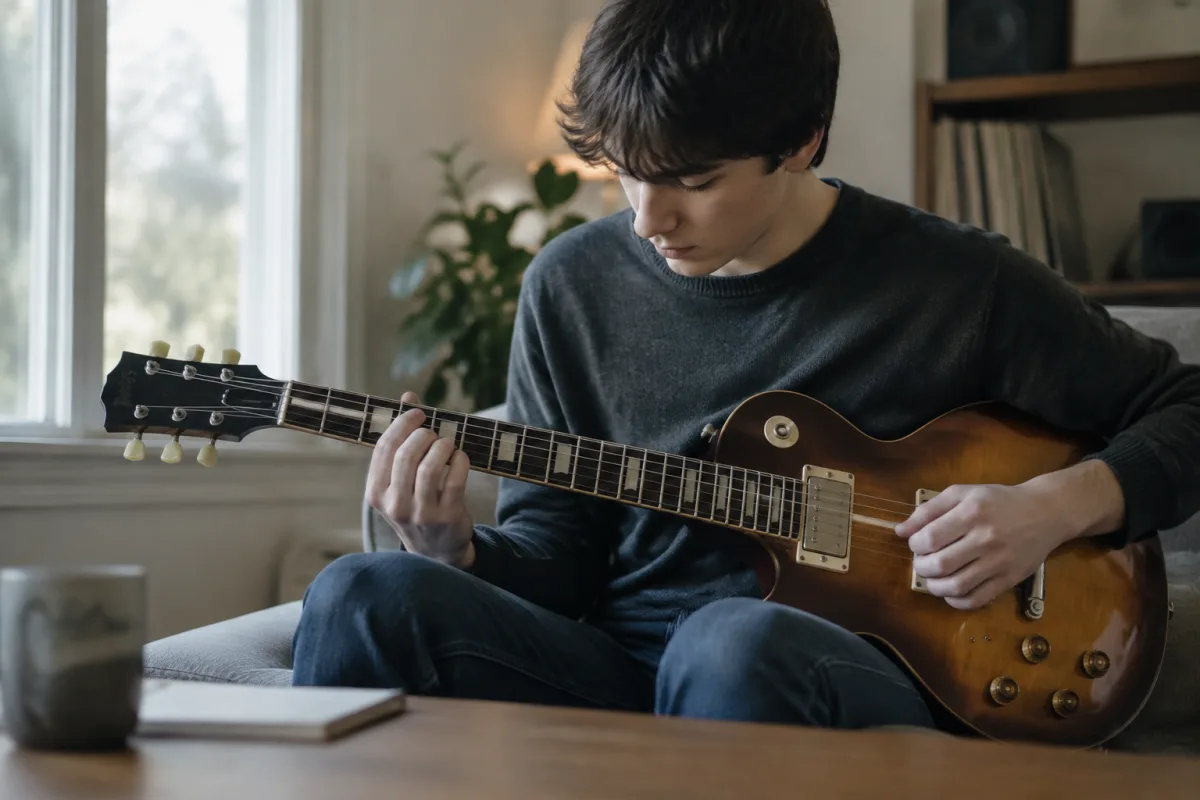
Picking up a left-handed Gibson Les Paul for the first time is exciting—and a bit daunting. You've probably heard legends play them, seen the price tag, and wondered if you're ready. Here's the reassuring truth: a Gibson Les Paul left is entirely achievable as your first serious guitar, and it might be the best investment you make as a beginner.
Why Left-Handed Players Choose the Gibson Les Paul
When you're left-handed, finding the right guitar matters more than most beginners realise. The Gibson Les Paul left isn't just a flipped right-handed model—it's a genuine instrument built with your playing style in mind. The appeal runs deep: the Les Paul's thick, warm tone has defined rock, blues, and alternative music for over 70 years. For left-handed beginners, this means you're learning on an instrument that serious musicians actually use, which builds confidence and genuine love for playing from day one.
Unlike budget left-handed alternatives, a Gibson Les Paul left delivers responsiveness that rewards practice. Your fingers will feel the difference as you progress, making every milestone genuinely satisfying rather than frustrating due to poor instrument quality.
Getting Started: What You Actually Need to Know
Before spending money, understand what owning a Gibson Les Paul left involves. These guitars are heavier than most—around 9-10 pounds—which can feel tiring during long practice sessions initially. Your shoulder and wrist muscles will need time to build endurance. Don't panic; this adjustment happens naturally over a few weeks, and the weight contributes to that legendary resonance.
You'll also want to accept that left-handed models are harder to find. If yours needs repair or adjustment, not every guitar tech will have the right equipment immediately. Planning ahead and building a relationship with a skilled left-handed guitar technician is worthwhile—view it as protecting your investment.
For a fuller understanding of the Gibson Les Paul's range and variations, check out our complete guide to Gibson Les Paul left-handed models, which covers specs and history.
The First Week: Setting Realistic Expectations
Your fingers will hurt. Properly. This is universal for beginners and isn't a sign something's wrong. Calluses develop over 2-3 weeks of regular practice, and the pain genuinely fades. Start with 20-30 minute sessions rather than marathon efforts; consistency beats intensity at this stage.
The Gibson Les Paul's wider body might feel unfamiliar if you've played other guitars. Positioning it correctly matters: sit upright, support the upper bout with your left leg, and keep the headstock roughly level with your shoulder. Slouching creates tension and slows progress unnecessarily.
Don't obsess over perfection yet. Your first goal isn't sounding brilliant—it's building muscle memory and discovering which strings buzz when you fret, which tells you whether your action (string height) needs professional adjustment. Most new Les Pauls benefit from a proper setup by a qualified tech, and this investment pays dividends immediately.
Essential Beginner Skills for Left-Handed Players
Start with open chords: E minor, A minor, D major, and G major. These sound good almost instantly and provide the foundation for hundreds of songs. Your left hand holds the chord shape whilst your right hand develops rhythm patterns. For many left-handed guitarists, this balance feels natural and rewarding.
Learn power chords next—they're simpler than barre chords and sound genuinely impressive on a Gibson Les Paul's thick body. Two or three strings produce the driving rock sound that probably inspired you to pick up a left-handed guitar in the first place.
Avoid barre chords initially. Yes, they unlock thousands of songs, but they require hand strength that develops over months. Rushing creates frustration and bad habits. Focus instead on what you can play well; your hands will catch up naturally.
Common Beginner Mistakes to Avoid
The biggest mistake is stopping because progress feels slow. Guitar learning isn't linear—you'll have breakthroughs followed by plateaus. Expect this and plan around it. Set a practice schedule and stick to it even when motivation dips; consistency matters more than raw talent.
Don't skip tuning. An out-of-tune Gibson Les Paul left teaches your ear awful things about pitch. Invest in a decent clip-on tuner (around £10-15) or use a free tuner app, and check tuning at every session. Proper tuning makes practice infinitely more rewarding.
Avoid adjusting your action or truss rod yourself. These require tools and knowledge that take time to develop. If your Gibson Les Paul left feels uncomfortable to play after a few weeks, consult a technician rather than experimenting. Most setup issues are fixable, and professional adjustment costs far less than damaging your instrument.
Don't assume you need expensive accessories to progress. You'll need picks (buy assorted packs), spare strings, and possibly a capo. Everything else is optional initially. Fancy amp modelling systems and boutique effects can wait until you understand what you actually need.
Building Consistent Practice Habits
Consistency beats intensity. Playing 20 minutes daily builds muscle memory faster than three-hour Sunday sessions. Your hands need regular, spaced practice to adapt. Schedule practice at the same time daily—just after breakfast, or during your lunch break—and treat it like an appointment.
Track what you practise. Keep a simple notebook noting which techniques you worked on and which songs you attempted. Progress that feels invisible becomes obvious when you review notes from four weeks earlier.
Join communities of left-handed guitarists, even informally. Online forums, Reddit communities, and local guitar shops connect you with people solving identical problems. Hearing that others struggled with barre chords, too, is genuinely reassuring.
When to Invest in Lessons
YouTube tutorials are free and valuable, but structured lessons accelerate progress dramatically. A good teacher tailors feedback to your hands, catches bad habits early, and adjusts difficulty appropriately. Even five or six lessons in your first month establishes proper technique and builds confidence.
Left-handed players particularly benefit from in-person lessons—video tutorials sometimes skip left-handed variations, and a human teacher can demonstrate directly for your playing orientation. Budget around £20-40 per hour, though many teachers offer package discounts.
Your Gibson Les Paul Left as a Long-Term Investment
A Gibson Les Paul left-handed isn't disposable. Maintained properly, it becomes better with age. The wood settles, the electronics prove reliable, and the resale value remains solid. Some players keep the same Gibson Les Paul for decades, and yours could absolutely become an instrument you're still playing joyfully in ten years.
This means treating setup and maintenance seriously isn't excessive—it's protecting an instrument you'll genuinely love.
Conclusion: Your Left-Handed Journey Starts Here
A Gibson Les Paul left represents genuine commitment to learning guitar properly. Yes, it's substantial in weight and price. But you're learning on an instrument that actual professional musicians use, which builds real confidence and produces genuinely inspiring tone from the start. The discomfort of early calluses and the frustration of slow progress are temporary; the joy of playing a beautifully made guitar is permanent.
Be patient with yourself. Set a realistic practice schedule and follow it. Get professional setup and adjustment when needed. And remember that every guitarist—left-handed or otherwise—progressed through identical awkward phases. Your Gibson Les Paul left isn't just an instrument; it's the beginning of something that could define your life creatively. That's genuinely worth the effort.


Comments