


Left Handed Gibson Guitars article
Left Handed Gibson Guitars for Beginners: A Complete Guide
Beginner-friendly guide to starting with left-handed Gibson guitars, covering initial setup, technique development, and building playing confidence.
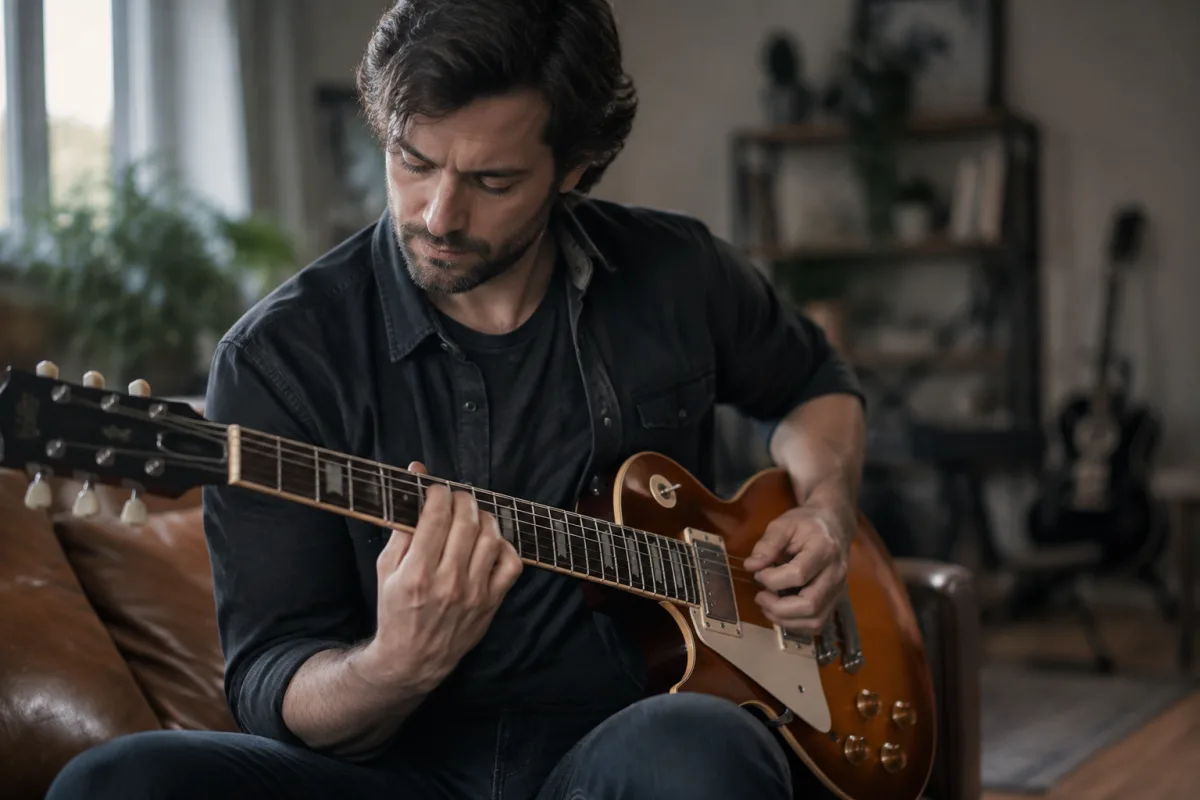
As a left-handed guitarist, finding an instrument that feels natural is crucial for developing comfortable, confident playing habits. Left handed Gibson guitars represent a significant investment in your musical journey—they're built to the same exacting standards as their right-handed counterparts, allowing left-handed players to access Gibson's legendary tone and craftsmanship. This beginner's guide walks you through everything you need to know about starting with a left-handed Gibson, from understanding what makes them special to building confidence in your new instrument.
Why Left Handed Gibson Guitars Matter for Beginners
Left-handed instruments aren't simply right-handed guitars flipped over—they're purpose-built for left-handed playing. The bridge, nut, and pickup orientations are properly positioned for your hand orientation. Playing a right-handed guitar as a left-handed player forces awkward positioning that creates tension, slows progress, and diminishes enjoyment. A left-handed Gibson eliminates these obstacles, allowing you to develop technique naturally without fighting against your instrument's design.
Gibson's commitment to producing quality left-handed guitars means you're not settling for inferior alternatives. You're receiving a genuine Gibson with identical construction standards, wood selection, and build quality. This foundational advantage accelerates learning and fosters genuine connection with your instrument.
Understanding Your Left Handed Gibson Options
Core Models for Beginners
Gibson offers several left-handed models at various price points. The Gibson Student series provides entry-level left-handed guitars with solid build quality at approachable prices. The Gibson Les Paul (Gibson's most iconic model) represents the next tier—a heavier instrument with distinctive warm tone. The Gibson SG offers a lighter, slightly brighter alternative for players preferring different ergonomics. Understanding these core models helps you identify which Gibson aesthetic and sound character appeals to you.
What Makes Gibson Special
Gibson guitars are renowned for warm, full-bodied tone and responsive playability. The solid mahogany bodies and set necks contribute to sustain and tonal warmth that distinguish Gibsons from other brands. As a beginner selecting your first serious guitar, a Gibson left-handed model invests in an instrument capable of growing with you from beginner to advanced player. Your Gibson will sound better and feel more responsive as your technique improves.
Taking Your First Steps with Your Left Handed Gibson
Initial Setup and Comfort Assessment
When your left-handed Gibson arrives, spend time simply holding and playing it before connecting amplification. Does the weight feel balanced and comfortable? Can you reach all frets comfortably without stretching excessively? Does the neck thickness feel appropriate for your hand size? These initial comfort assessments matter—slight adjustments in strap positioning or playing posture can dramatically improve comfort. Don't hesitate to have a guitar technician make minor adjustments ensuring your Gibson feels right for your body.
Learning Basic Maintenance
Your left-handed Gibson requires basic care keeping it functioning optimally. Learn to restring your instrument—this fundamental skill prevents frustration when strings break mid-practice. Understand how to clean the fingerboard and body without damaging finish or hardware. Familiarise yourself with simple adjustments like strap length and tuning machine operation. These basics build confidence and deepen your relationship with your instrument.
Understanding Your Amplifier Connection
Connect your left-handed Gibson to an appropriate amplifier—for beginners, a modest 15-30 watt practice amp suffices. Learn basic gain and volume control. Experiment with different tone settings, exploring how controls affect your Gibson's natural voice. This exploration phase helps you discover your signature tone and builds comfort with amplifier operation.
Building Playing Confidence and Technique
Start Simple, Build Gradually
Begin with basic open chords, understanding how chord shapes feel on your Gibson's neck. Practice chord transitions, working toward smooth, flawless changes. Your left-handed Gibson should feel increasingly comfortable as your muscle memory develops. The instrument's quality responsiveness rewards your technical improvement, creating positive feedback that encourages continued practice.
Develop Consistent Practice Habits
Set realistic daily practice goals—30-45 minutes proves more productive than sporadic marathon sessions. Your left-handed Gibson will respond to consistent engagement. Steady practice builds finger strength, familiarity with the fretboard, and genuine confidence in your abilities. Within weeks of consistent practice, you'll recognise marked improvement in your playing.
Embrace Your Gibson's Sound Character
As you progress, explore your Gibson's tonal possibilities. Play passages through multiple amplifiers if possible, discovering how different equipment complements your instrument. Experiment with playing dynamics—how hard or softly you strike strings affects tone and sustain. Your left-handed Gibson possesses inherent tonal qualities that become increasingly apparent as your ear develops and technique improves.
Common Beginner Mistakes to Avoid
Learning from others' experiences prevents frustration:
Neglecting proper setup: Many beginners accept uncomfortable action (string height) or fret buzz as normal. A simple professional setup makes playing dramatically more enjoyable. Don't suffer with an uncomfortable instrument—have a technician verify and adjust action, truss rod tension, and bridge position.
Skipping string maintenance: Broken strings discourage practice and disrupt rhythm development. Learn proper restringing technique. Keep spare strings available. Understanding how to replace strings prevents frustration and keeps your left-handed Gibson road-ready.
Avoiding amplification: Some beginners assume acoustic playing develops technique faster. Electric guitars (including your left-handed Gibson) teach technique just as effectively. Amplification actually benefits beginners—hearing your playing more clearly accelerates learning.
Expecting immediate mastery: Guitar learning requires patience and consistent practice. Your left-handed Gibson is a long-term investment in musical development, not instant gratification. Celebrate small improvements and trust the gradual skill development process.
Disregarding proper posture: Slouching or holding your left-handed Gibson awkwardly creates tension and limits technique development. Maintain upright posture, supporting the guitar's weight comfortably on your leg or strap. Proper posture prevents repetitive strain and enables more efficient playing.
Connecting with Gibson's Heritage
Your left-handed Gibson connects you to an instrument legacy spanning generations. Classic rock, blues, and contemporary artists have chosen Gibsons. This isn't merely an instrument—it's a gateway to musical traditions and communities of players sharing passion for your guitar. Embrace this heritage as motivation during challenging learning phases.
Moving Beyond Beginner Basics
After establishing fundamental comfort and technique with your left-handed Gibson, explore more advanced topics: scale patterns, improvisation, effects processing, and stylistic techniques. Your Gibson grows with you, rewarding technical advancement with increasingly sophisticated sonic possibilities. For comprehensive information about left-handed Gibson capabilities, model variations, and advanced techniques, explore the complete guide to left-handed Gibson guitars.
Your Left Handed Gibson Journey Begins
Selecting a left-handed Gibson represents confidence in your commitment to guitar playing. You've chosen an instrument worthy of that commitment. Embrace the learning journey, celebrate improvements, and trust that your Gibson will reward consistent, patient practice with increasingly beautiful music and genuine joy.


Comments