


Gibson Electric Guitar roundup
Gibson Electric Guitar: A Complete Buyer's Guide
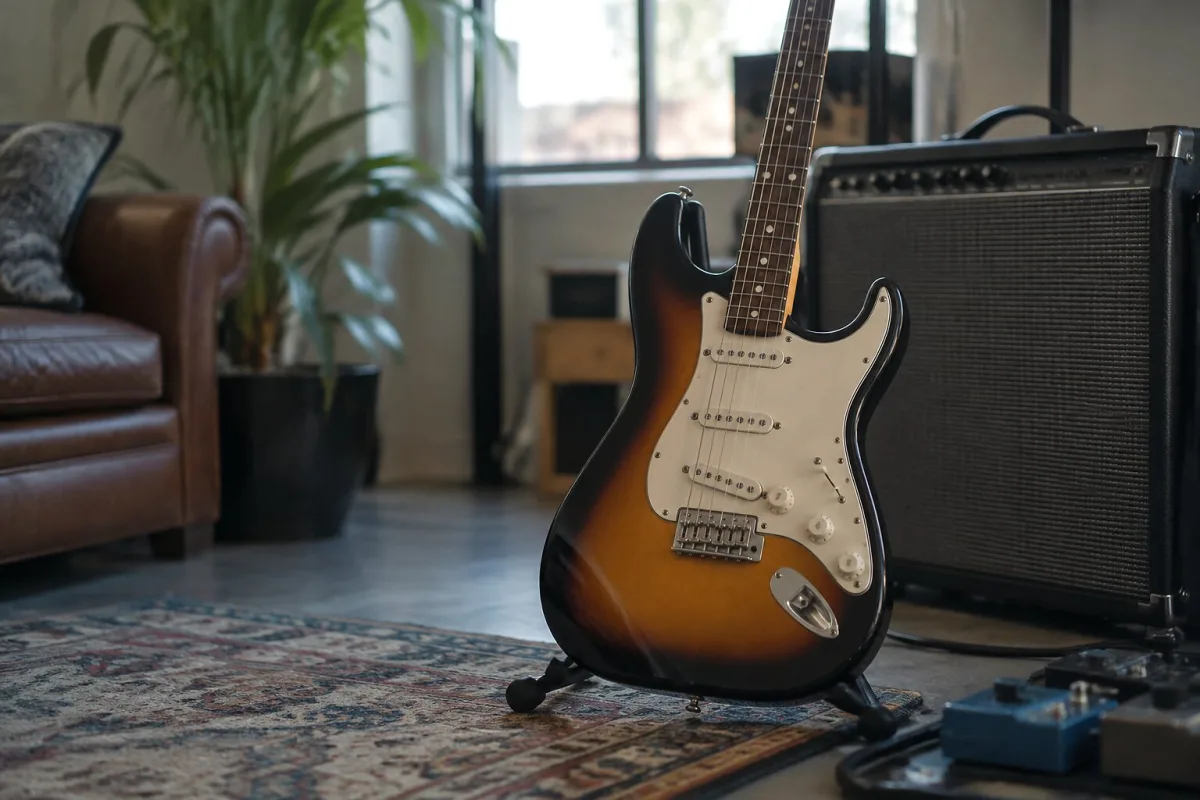
I learned guitar in a cold practice room and taught myself to fix my own gear because I couldn't afford to replace it. That DIY instinct taught me something fundamental: the best tools are the ones you actually understand. With a Gibson, you're buying into a particular philosophy—warm, thick, sustained—but you're also buying into real craftsmanship that you can feel in your hands. When you're choosing a Gibson, you're not just making a purchase. You're making a commitment to understanding what you've got.
First: Decide the Format
Don't browse models randomly. Decide what you actually want. Do you want traditional solid-body thickness? Choose a Les Paul. Do you want something lighter with better fret access? Choose an SG. Do you want semi-hollow character with control? Choose an ES-335. This first decision filters everything else. A Les Paul and an SG might both be "Gibson guitars," but they're fundamentally different instruments addressing different players.
Check the Specs That Actually Matter
Weight is real. Two Les Pauls with the same model name can differ noticeably. Some weigh 8 pounds. Some weigh 10 or more. That difference matters if you're playing standing up for hours. Check actual weight specs. Check neck profile—"slim" doesn't mean identical across all Gibson guitars. "Chunky" versus "asymmetrical" describes real feel differences. Play several and identify what your hand prefers.
Check the hardware: Are the tuners solid? Does the bridge fit the bridge posts properly? Is the nut cut correctly or is it a slab of plastic waiting to cause tuning problems? These aren't cosmetic details. They determine whether the guitar holds tuning and responds consistently.
Inspect Fretwork Before Buying
Look at the frets. They should be level and consistent. Run your finger along the fret ends—they should be smooth, not sharp or uneven. Check for fret sprout (frets protruding above adjacent frets) or divots. Play up and down the neck. Does it buzz excessively? That's either fretwork damage or a setup issue, both of which affect playability.
Set up matters enormously. A Gibson with poor setup will feel stiff and unresponsive. The same guitar with professional setup will sing. If you're buying used, budget £50–100 for professional setup. That money transforms the playing experience.
Test Clean and Distorted
Play the guitar through both clean and distorted amplification. A Les Paul that sounds impressive through high-gain overdrive might reveal balance problems on clean tone. Listen for harshness, excessive brightness or dark, compressed response. Does the bridge pickup balance well with the neck pickup? Are the volumes matched or does one dominate? These are solvable issues if you know they're there.
Understand What You're Getting: Gibson vs. Epiphone
Gibson and Epiphone share the Gibson Brands portfolio but occupy different manufacturing and price segments. Similar model names don't guarantee identical woods, hardware or pickups. An Epiphone ES-335 is not a Gibson ES-335. Each has merit, but they're genuinely different instruments. Don't assume similar naming means similar quality or sound.
Account for Weight and Comfort
A heavy Gibson sounds great plugged in and feels substantial in your hands. Unplugged, after two hours of playing standing up, it feels like you're wearing an anchor. There's no wrong choice—just your choice. Some players love the weight for the sustain it implies. Some prefer lighter instruments. Know yourself. Try different weights before deciding.
The Price-to-Value Question
You can spend £500 on a Les Paul Studio or £3000 on a Gibson Custom. The differences are real but diminish as price increases. Studio models deliver solid Gibson sound and construction. Custom models offer premium materials and finishing. Beyond a certain price point, you're paying for cosmetics and hand-crafting more than functional improvement. Identify what matters to you—cosmetic appearance, specific pickup voices, traditional construction—and buy accordingly.
Don't Let Brand Loyalty Make the Choice
Gibson sounds like Gibson. Fender sounds like Fender. PRS sounds like PRS. Each is excellent at what it does. If Gibson's warm, thick tone matches what you want to create, buy Gibson. If you prefer Fender's brightness, buy Fender. The choice should be based on your ear and your playing goals, not on brand legend or what famous players use. You're not buying Slash's guitar. You're buying an instrument that needs to suit your hands and your voice.





Comments