


Flying V Bass Buying guide
Flying V Bass: A Complete Buyer's Guide
A Flying V bass makes a statement on stage. This buying guide covers essential specs, price tiers and mistakes to avoid so you choose the right instrument.
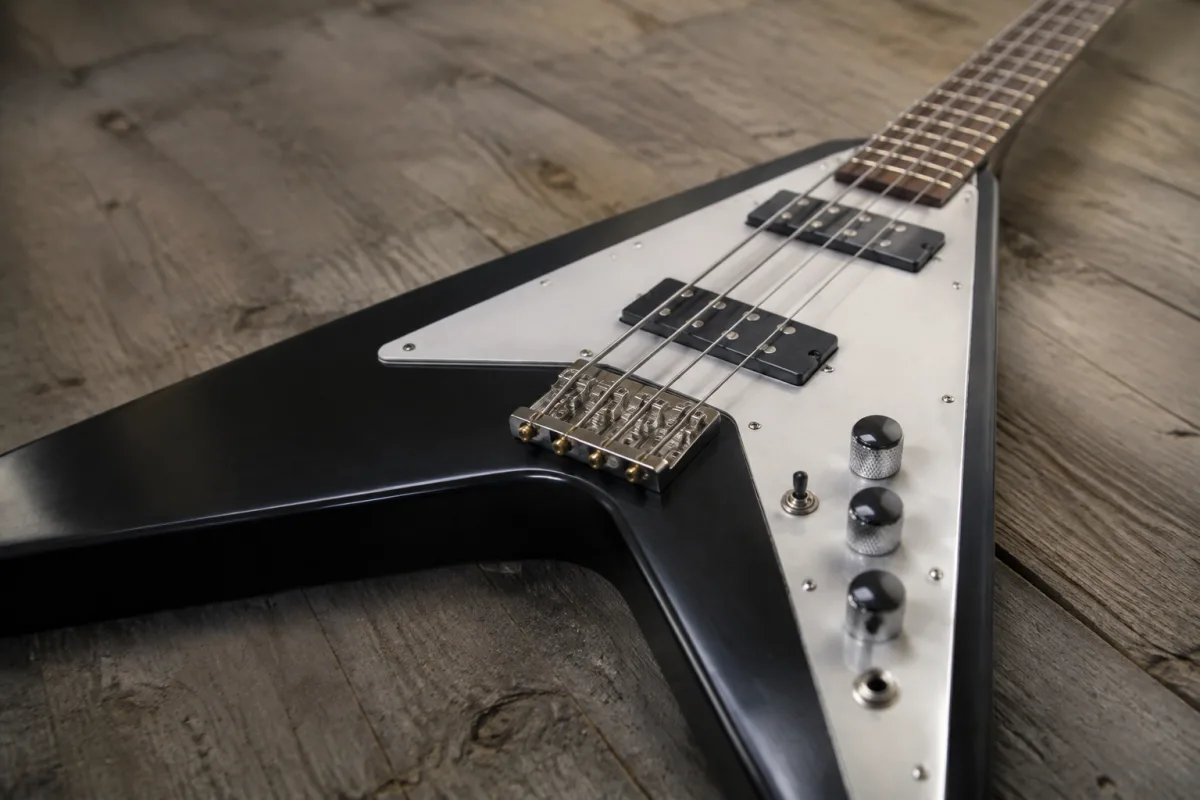
Buying a Flying V bass is a statement choice—this geometric, eye-catching instrument draws attention on stage and signals a willingness to break from convention. But behind the striking looks lies a genuinely versatile bass with tonal range suited to rock, metal, alternative and experimental players. If you have heard a Flying V bass through a heavy riff and felt compelled to own one, this guide walks you through the specs that matter, how to evaluate different models and the common pitfalls that lead buyers to spend too much or choose the wrong instrument.
Understanding the Flying V Bass: What Makes It Different
The Flying V bass is not just a regular bass with a weird shape. Its angular, pointed design affects weight distribution, access to higher frets, and ergonomics—some players find it deeply comfortable, others find it unwieldy. The body's thin depth (typically 1.5–2 inches) and pointed shape make it visually striking but also affect resonance and tone compared to traditionally shaped basses. The headstock angle and neck-body connection vary by manufacturer and model year, with implications for sustain and tuning stability.
Fender's original Flying V bass design from the 1950s has been re-released and reinterpreted by many manufacturers over decades, so "Flying V bass" covers a wider range of instruments than you might expect. Gibson, Squier, Epiphone and custom builders all make versions. Understanding which manufacturer's design you prefer is step one of informed buying.
Key Specs to Evaluate Before Buying
Body Wood and Finish
Flying V basses typically use alder, basswood or mahogany for the body. Alder is bright and resonant, favoured for rock and pop. Basswood is affordable and punchy, excellent for budget models. Mahogany is warm and sustaining, preferred for heavier, thicker tones. Check the body construction: solid wood throughout is non-negotiable, even on budget models. A plywood Flying V is a red flag. The finish should be evenly applied with no bubbles or rough areas. For a used bass, inspect the finish closely for cracks or lifting, which signal internal wood stress.
Neck Profile and Fretboard
Flying V basses have varied neck profiles depending on the maker. Some are slimmer for faster playing, others are broader for a secure feel. Play through several models if possible to find your preferred thickness. Fretboards are typically rosewood, palisander or pau ferro. Check for smooth, level frets with no visible wear or pits. The frets should be bright and responsive. A dull, worn fretboard reduces playability and tone.
Pickup Configuration and Electronics
Flying V basses commonly use single or dual pickups. Single-pickup models are simpler and often cheaper; dual-pickup designs offer more tonal flexibility. Check whether pickups are active (battery-powered, with built-in preamp) or passive (unpowered). Active pickups offer more punch and controlled output; passive pickups are simpler and require no batteries. Verify the control layout—a standard volume, tone and pickup selector are baseline. Higher-end basses add tone shaping, mid-range controls and more sophisticated electronics.
Hardware and Bridge
Look for solid bridges with proper saddle design. Cheap stamped bridges restrict sustain and intonation. Higher-end Flying V basses feature through-body stringing (strings pass through the body for better sustain) or bridge designs that optimise resonance. Tuning machines should be smooth and hold pitch reliably. Test tuning stability by plucking a string hard and measuring how long pitch holds steady—tight, responsive machines are superior.
Price Tiers: What to Expect
Budget (£300–600)
Budget Flying V basses (Squier models, entry-level Epiphone) offer playable instruments with acceptable tone. Expect basswood or alder bodies, passive pickups and simpler electronics. These are functional basses suitable for learning and bedroom play. Resale value is modest; tonal range is limited. Accept the trade-offs and enjoy the striking aesthetics.
Mid-Range (£600–1,200)
Mid-range Flying V basses (higher Epiphone tiers, used Gibson models) deliver superior build quality, richer tone and more reliable hardware. Pickups are better—often dual designs with more tonal flexibility. These are gigging-ready instruments with character and sustain. Resale value is stronger, and the aesthetic appeal combines with serious playability.
Professional (£1,200+)
Gibson and high-end custom Flying V basses sit here. Expect premium woods, hand-crafted construction, high-quality pickups (often custom-wound) and meticulous finishing. These are instruments designed for touring and studio work. Tone is refined and responsive; sustain is exceptional. At this price point, you are paying for consistency, premium materials and decades of reliable service.
Buying Pitfalls to Avoid
Mistake One: Choosing Based on Look Alone
A Flying V bass is visually distinctive, which is part of its appeal. But ergonomics and playability matter more than looks. Play every Flying V you consider, even if it feels awkward at first. Some players bond with the pointed shape immediately; others find it tiresome after an hour of playing. Never buy based purely on aesthetics.
Mistake Two: Ignoring Neck Angle and Pocket Fit
A poorly fitted neck (loose pocket, inconsistent angle) creates playability issues and intonation problems. Inspect the neck-body junction closely. There should be no gaps or rocking. Play notes high on the fretboard and check that action remains consistent. A sloppy neck pocket requires expensive repairs.
Mistake Three: Underestimating Weight and Ergonomics
Flying V basses can be heavier than expected due to their dense bodies. Some have pointed tips that dig into your ribs during seated play. Play standing and sitting before committing. Wear the bass on a strap and play for at least 30 minutes to assess comfort. A beautiful bass that causes shoulder or rib pain after 45 minutes is not a bargain.
Mistake Four: Buying Without Testing All Strings and Frets
Play every string across the full fretboard, focusing on higher frets where access can be tricky due to the Flying V's pointed shape. Check for dead spots, buzzing or areas where tone drops suddenly. A Flying V with poor upper-fret access is frustrating for melodic playing.
Mistake Five: Confusing Vintage Models with Quality
Older Flying V basses are not automatically superior. Some vintage models sound exceptional; others are worth collecting for history but are not ideal players. Evaluate each instrument on its own merits. A modern mid-range Flying V often outplays a poorly maintained 1970s model.
Where to Buy
Specialist bass retailers, authorised Fender and Gibson dealers, and reputable online marketplaces all carry Flying V basses. For new models, authorised retailers offer warranty and return policies. For used instruments, check detailed photos, test-play clips if available and verify the seller's reputation. Private sales from other bass players often yield great value but require in-person inspection before committing. Never buy a Flying V without playing it first if at all possible.
Cross-Link
For a comprehensive overview of Flying V basses, their history and all available models, see the complete guide to Flying V basses.
The Bottom Line
A Flying V bass is an excellent choice if you value distinctive aesthetics combined with serious playability and tonal range. Prioritise body wood quality, neck fit and hardware durability. Play multiple examples across price tiers to find the right feel. Avoid purely aesthetic purchases and inspect used instruments thoroughly. A well-chosen Flying V will turn heads on stage and provide years of satisfying playing across genres from rock to metal to alternative.



Comments